
 Follow Us on Google Discover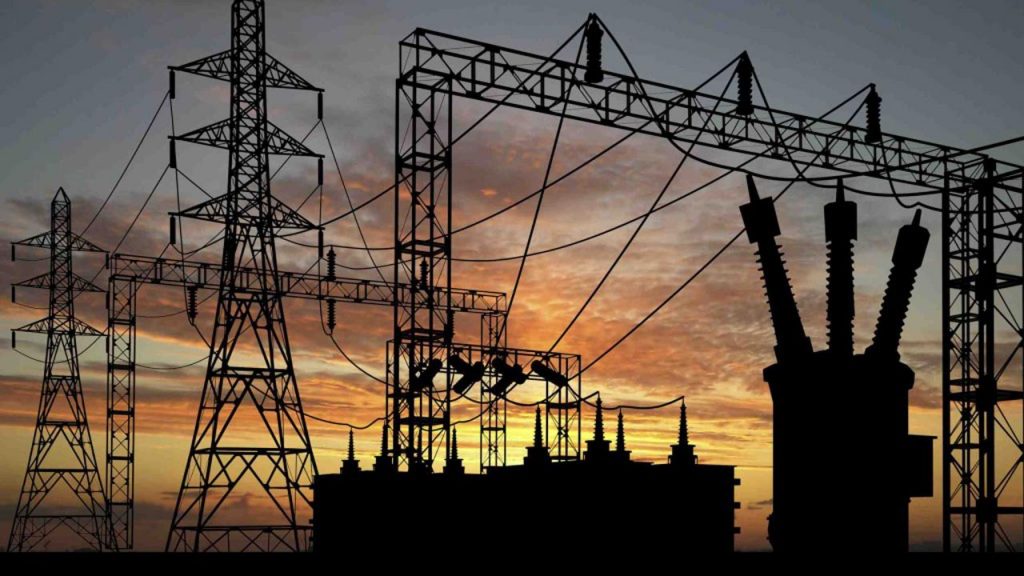
Unreliable electricity supply and poor internet connectivity have emerged as the biggest obstacles preventing Nigeria’s creative industry from competing regionally and globally, according to a new report by NECLive.
The findings were contained in The State of Nigeria’s Creative Economy 2026 report, published on Monday, June 29. The report examined the structural challenges limiting the growth of one of Nigeria’s fastest-growing industries.
NECLive, one of Nigeria’s platforms for conversations around the creative economy, published the report as the country continues to position its creative industry as a major driver of economic growth.
The sector is projected to contribute $100 billion to the country’s economy by 2030, making the removal of long-standing structural bottlenecks increasingly critical.
Other News
What the data is saying
The respondents surveyed comprised professionals across advertising and marketing, digital content creation and influencing, film and video, music and audio, public relations, photography, fashion, gaming, publishing, visual arts and other creative subsectors.
Asked to rank seven major routine obstacles preventing the industry from achieving regional and global growth, with one representing the most critical challenge and seven the least, respondents ranked power outages and poor internet connectivity as the most significant barrier, recording an average score of 2.98.
- “The single most impactful intervention for Nigeria’s creative sector is reliable electricity and broadband. Until that foundation exists, every other creative economy programme builds on sand,” the report stated.
Beyond electricity and internet access, respondents also identified team coordination and scheduling issues, limited access to reliable equipment, funding delays for materials and travel, market access barriers like visa or export hurdles, regulatory red tapes, and IP or piracy as other major constraints holding back the industry’s growth.
More insights
Beyond daily operational challenges, the report found that creative businesses are also grappling with financial and production-related constraints.
Respondents ranked budget overruns arising from unexpected on-site costs as the biggest factor causing projects to bleed resources, followed by equipment breakdowns and routine repairs, both of which contribute significantly to production delays and increased operating costs.
Meanwhile, administrative responsibilities was identified as another major productivity drain. The report found that non-creative administrative tasks consume a substantial portion of working hours for many creatives, while time spent chasing payments from clients emerged as the second biggest productivity challenge, reducing the hours available for actual creative work.
What you should know
Although Nigeria’s creative economy employs an estimated 4.2 million people according to data from Federal Ministry of Art, Culture, Tourism & The Creative Economy, the growth of the sector is plagued with the country’s electricity access deficits, with an estimated 90 million people lacking access to electricity, representing roughly 40 to 42% of the population.
The situation has forced millions of Nigerians and businesses, including those in the creative industry, to rely on self-generated electricity through petrol and diesel generators or invest in solar energy systems, which often require significant upfront installation costs amid persistently high fuel prices.
- Grid instability also remains a recurring challenge. Nigeria recorded at least two national grid collapses in January alone, on January 23 and January 27, plunging millions into darkness. These followed 12 national grid collapses recorded in 2024, averaging one collapse every month, with additional system failures reported in 2025 due to persistent grid weaknesses and gas supply constraints affecting electricity generation.
Although the Federal Government has introduced reforms aimed at improving electricity supply, including the Electricity Act 2023, which allows states to generate, transmit, distribute and regulate electricity within their jurisdictions, the reforms have yet to deliver the expected transformation in power supply.
 Follow Us on Google Discover
Warning: Undefined variable $post_id in /var/www/nairametrics/wp-content/themes/nairametrics/comments.php on line 134
Warning: Undefined variable $post_id in /var/www/nairametrics/wp-content/themes/nairametrics/comments.php on line 134