
 Follow Us on Google Discover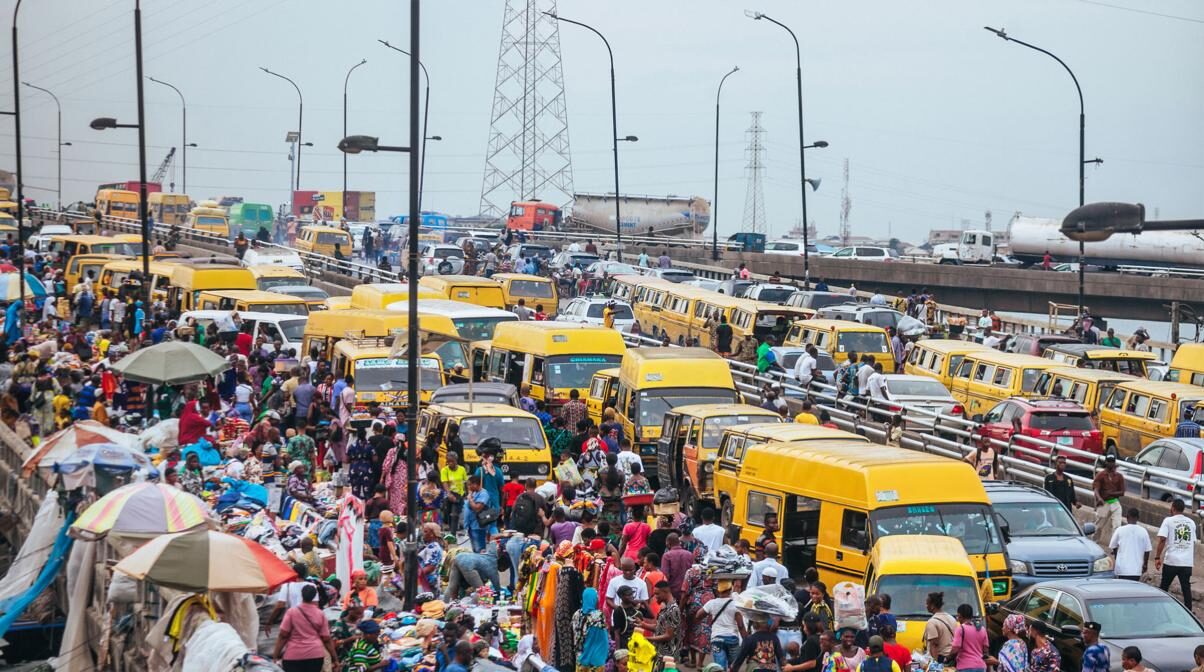
Many of the continent’s fastest-growing cities continue to attract people in large numbers, but the roads they depend on have not expanded at the same rate.
The cost of this congestion goes far beyond lost time. Hours spent in traffic translate into reduced economic output, increased fuel consumption, and rising levels of air pollution.
The result is a pattern where productivity is quietly drained before the workday even begins.
In some cities, commuters spend almost an hour on a single trip, a figure that compounds daily into weeks of lost productivity each year.
Other News
Despite these challenges, the congestion is not just a sign of pressure but growth, as these cities are expanding, attracting investment, and playing a bigger role in shaping regional economies.
This ranking is based on the latest figures from Numbeo’s Traffic Index as of March 2026.
The index evaluates congestion using a combination of factors, including average commute time, time wasted in traffic, inefficiency levels, and estimated CO₂ emissions.
These metrics provide a comparative snapshot of how severely traffic impacts daily life in major cities, offering a data-driven view of where congestion is most intense.
Here are the top 10 African cities with the highest traffic congestion levels
Port Elizabeth, South Africa
Traffic Index: 147.4
Port Elizabeth, officially known as Gqeberha, is located on the southeastern coast of South Africa in the Eastern Cape. It is a major port city and part of the Nelson Mandela Bay metro, with a population of about 1.3 million people when surrounding areas are included.
- Port Elizabeth ranks tenth on the list, with a Traffic Index of 147.4, showing lower congestion compared to larger cities but still significant for a city of its size.
- The city has an average commute time of 33.9 minutes (Time Index), meaning most daily trips take just over half an hour.
The city also records a CO₂ Emission Index of 6,398.2, meaning that time spent in traffic leads to higher fuel use and increased pollution.
Tunis, Tunisia
Traffic Index: 153.8
Tunis, located in North Africa along the Mediterranean coast, is the capital and largest city of Tunisia, with a population of about 2.7 million people when the surrounding areas are included. It serves as the country’s political, economic, and administrative centre.
- Tunis has a Traffic Index of 153.8, showing moderate congestion levels compared to other major African cities.
- The city has an average commute time of 37.0 minutes (Time Index), meaning most daily trips take just over half an hour.
The city also records a CO₂ Emission Index of 5,494.3, as time spent in traffic contributes to increased fuel use and rising pollution levels.
Casablanca, Morocco
Traffic Index: 181.0
Casablanca, located on the Atlantic coast in northwestern Morocco, is the country’s largest city and main economic centre, with over 3 million people in the city.
It serves as Morocco’s primary port and financial hub, attracting business activity, trade, and daily movement across the city.
- Casablanca ranks eighth on the list, with a Traffic Index of 181.0, showing moderate to high congestion levels compared to other major African cities.
- The city has an average commute time of 44 minutes (Time Index), often due to traffic build-up along key business and port routes.
The city’s CO₂ Emission Index of 4,688.6 highlights growing pollution pressures from traffic.
Alexandria, Egypt
Traffic Index: 199.4
Alexandria, located on the Mediterranean coast in northern Egypt, is the country’s second-largest city and main seaport, with a population of about 5.9 million people.
It serves as a key trade and industrial centre, handling a large share of Egypt’s imports and exports. It ranks seventh on the list, with a Traffic Index of 199.4.
Trips in the city have an average commute time of 44.3 minutes (Time Index), along major routes like the Corniche and key inner-city roads. The city also records a CO₂ Emission Index of 6,900.8.
Johannesburg, South Africa
Traffic Index: 200.7
Johannesburg, located in the northeast of South Africa, is the country’s largest city and main economic hub, with a population of over 5 million people.
- It serves as the financial centre of the country, attracting businesses and daily commuters from surrounding areas.
- Johannesburg ranks sixth on the list, with a Traffic Index of 200.7, showing high but slightly lower congestion compared to other major African cities.
The city has an average commute time of 40.7 minutes and records a CO₂ Emission Index of 10,361.4.
Cape Town, South Africa
Traffic Index: 207.9
Cape Town, located on the southwest coast of South Africa, is one of the country’s largest cities and a major economic and tourism hub, with a population of over 4 million people.
- Cape Town ranks fifth on the list, with a Traffic Index of 207.9. The city has an average commute time of 42.4 minutes (Time Index), meaning most daily trips take over 40 minutes.
- The city also records a CO₂ Emission Index of 10,196.5, meaning longer time spent in traffic leads to high fuel consumption and increased pollution levels.
The city’s layout, shaped by mountains and coastline, limits road expansion and concentrates traffic along a few key routes.
Pretoria, South Africa
Traffic Index: 219.9
Pretoria is one of South Africa’s three capital cities and serves as the administrative centre of the country. Located in the northern part of Gauteng Province, it forms part of a larger urban area that includes Johannesburg, making it a key hub for government activity, business, and daily commuting.
- The city has a population of about 2.9 to 3 million people and ranks fourth on the list, with a Traffic Index of 219.9.
- The city has an average commute time of 43.7 minutes, meaning most daily trips take around 40 minutes, but often involve slow and inconsistent movement.
The city also records a CO₂ Emission Index of 10,988.6, one of the highest on the list, meaning a longer time in traffic leads to high fuel use and increased pollution.
Cairo, Egypt
Traffic Index: 240.9
Cairo is Egypt’s largest city with over 9 million people and more than 22 million in the wider metropolitan area, making it one of the largest urban centres in the world.
- Cairo ranks third on the list, with a Traffic Index of 240.9 and an Inefficiency Index of 289.7.
- The city has an average commute time of 49.6 minutes (Time Index), meaning most daily trips take close to an hour.
- The city also has a CO₂ Emission Index of 9,233.5, one of the highest on the list, meaning long hours in traffic lead to high fuel consumption and pollution levels.
Major roads and intersections remain crowded throughout the day, as vehicle demand consistently exceeds road capacity, slowing movement across the city. This makes congestion a daily condition rather than a peak-hour problem.
Nairobi, Kenya
Traffic Index: 253.5
Nairobi is Kenya’s capital and the country’s largest city, located in the south-central region, with a population of over 5 million. It serves as the main business and financial centre in East Africa.
- Nairobi ranks second on the list, with a Traffic Index of 253.5.
- The city has an average commute time of 53.7 minutes (Time Index), meaning most people spend close to an hour on a single trip.
- Nairobi has a CO₂ Emission Index of 7,582.6, as longer time in traffic leads to higher fuel use and increased pollution.
The city’s congestion is closely tied to its reliance on private cars and minibuses, known as matatus, which dominate the transport system. Road infrastructure has struggled to keep pace with the rising number of vehicles.
Lagos, Nigeria
Traffic Index: 348.5
Lagos is the commercial nerve center of Nigeria, Africa’s most populous country, with over 200 million people. The country is facing growing urban pressure, most visible in Lagos, its commercial hub with an estimated population of over 20 million.
- The city ranks first on the list, recording the highest Traffic Index at 348.5, with commuters spending an average of 68.3 minutes on a single trip, meaning a typical one-way trip takes over an hour.
- The problem is not just the time, but how it is spent. With an Inefficiency Index of 395.7, much of each journey is lost to traffic delays rather than movement.
- Lagos has a CO₂ Emission Index of 8,615.2, meaning longer hours on the road lead to higher fuel use and increased pollution.
The congestion is largely driven by the city’s fast-growing population, which has outpaced road expansion, leading to limited road networks. Traffic pressure is highest during peak hours, as a large number of vehicles concentrate on already strained routes.
 Follow Us on Google Discover

Warning: Undefined variable $post_id in /var/www/nairametrics/wp-content/themes/nairametrics/comments.php on line 134
Warning: Undefined variable $post_id in /var/www/nairametrics/wp-content/themes/nairametrics/comments.php on line 134