
 Follow Us on Google Discover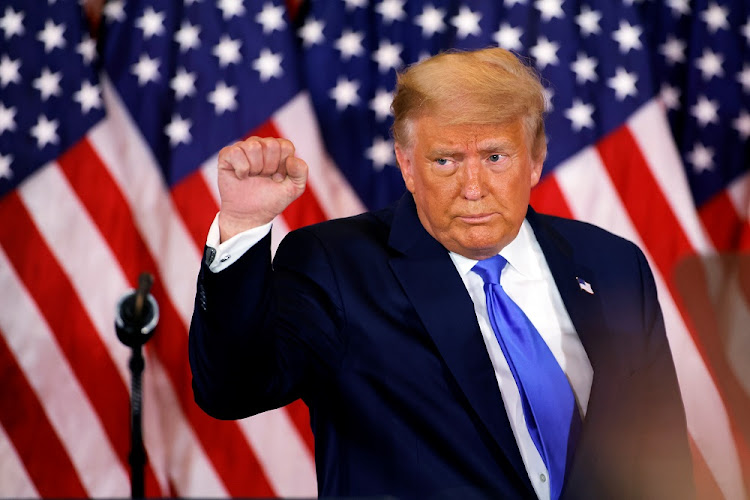
The United States and Iran have agreed to a two-week ceasefire in the ongoing Middle East conflict, with plans to reopen the Strait of Hormuz, a key global oil route.
The development follows a decision by U.S. President Donald Trump to suspend planned military strikes on Iran.
The ceasefire, brokered by Pakistan with support from China, comes just hours before a deadline set by the U.S. for Iran to comply or face further escalation.
What they are saying
U.S. President Donald Trump said he would hold off on planned attacks if Iran agreed to the temporary ceasefire and reopened the Strait of Hormuz.
Other News
- “We will suspend attacks provided Iran agrees to the COMPLETE, IMMEDIATE, and SAFE OPENING of the strait.”
He noted that Iran had proposed a “workable” 10-point peace plan to help end the conflict.
Iran’s Supreme National Security Council confirmed acceptance of the ceasefire and said negotiations with the U.S. would begin in Islamabad.
- “It is emphasised that this does not signify the termination of the war.”
Iran’s Foreign Minister, Abbas Araghchi, also stated that passage through the Strait of Hormuz would be allowed during the ceasefire period under Iranian military oversight.
Get up to speed
The ceasefire comes amid rising global concerns over the legality and impact of the conflict.
- The United Nations had warned that U.S. threats to target Iranian infrastructure could violate international law.
- The warning followed a deadline issued by President Trump for Iran to concede or face military escalation.
- Trump had earlier threatened strikes on critical infrastructure, including power plants, raising fears of civilian casualties.
UN Secretary-General António Guterres expressed alarm over the rhetoric and its potential humanitarian consequences.
The situation had heightened geopolitical tensions and raised concerns over global energy supply disruptions.
More insights
Despite the ceasefire announcement, tensions remain high across the region.
- Iran has demanded control of the Strait of Hormuz, withdrawal of U.S. forces, lifting of sanctions, and release of frozen assets as part of broader negotiations.
- Missile alerts were reported in countries including the United Arab Emirates, Israel, Saudi Arabia, Bahrain, and Kuwait shortly after the ceasefire was announced.
- U.S. military operations have shifted to a defensive posture, halting offensive actions against Iran.
The ceasefire was influenced by diplomatic engagements involving Pakistan’s leadership and military officials.
The demands signal a broader attempt by Iran to reshape geopolitical dynamics and global oil trade flows.
What you should know
The Strait of Hormuz remains one of the most critical oil transit routes globally, handling a significant share of daily crude shipments.
- Analysts say Iran’s ability to maintain influence over the strait is a key strategic advantage.
- The conflict has triggered debates among economic and geopolitical experts over its broader implications.
- Some analysts argue that maintaining control of the waterway represents a strategic win for Iran.
The outcome of the ceasefire and subsequent negotiations is expected to have far-reaching implications for global oil markets and regional stability.
 Follow Us on Google Discover


Warning: Undefined variable $post_id in /var/www/nairametrics/wp-content/themes/nairametrics/comments.php on line 134
Warning: Undefined variable $post_id in /var/www/nairametrics/wp-content/themes/nairametrics/comments.php on line 134