
 Follow Us on Google Discover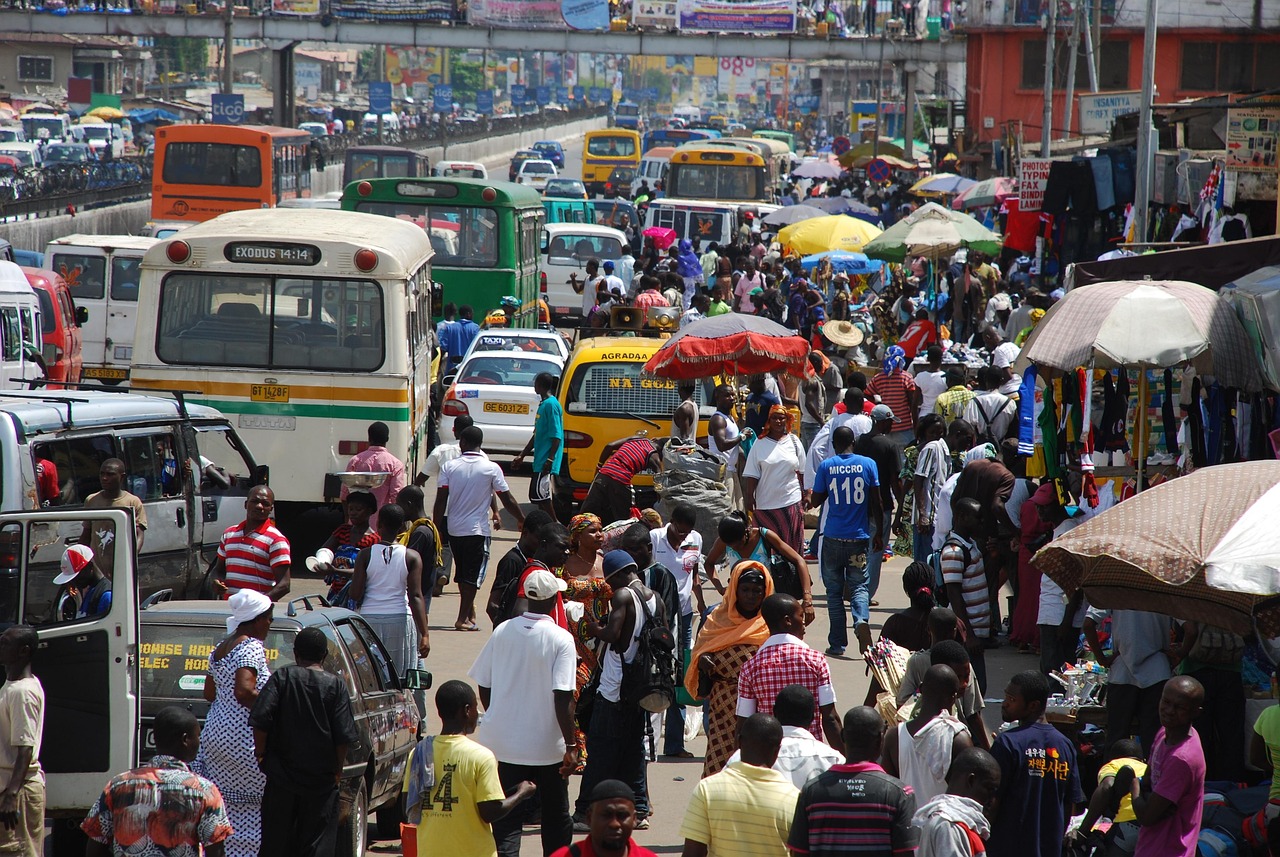
Ghana’s inflation rate eased to 3.2% year-on-year in March 2026, down slightly from 3.3% recorded in February.
This is according to data released by the Ghana Statistical Service on Wednesday.
The slight drop reflects continued easing in price pressures as the country gradually stabilises after its most severe economic crisis in decades.
The latest figure marks the lowest inflation level since the rebasing of the Consumer Price Index (CPI) in 2021, signalling a steady movement toward macroeconomic stability.
Other News
However, underlying risks remain, particularly from global energy price shocks linked to geopolitical tensions.
What the Ghana Statistical Service is saying
The Ghana Statistical Service highlighted key drivers behind the latest inflation trend and its broader implications.
- “This is the lowest inflation we have recorded since the rebasing of the CPI in 2021 and it shows a steady and sustained movement towards stability,” government statistician Alhassan Iddrisu said.
- Food prices continued to drive the decline in inflation, while non-food items recorded slight increases.
- Petrol prices rose by 3.1% month-on-month in early March, reflecting the impact of the Iran conflict on global energy prices.
The data indicates that while headline inflation is easing, external pressures—particularly from energy markets—could influence future trends.
Get up to speed
Ghana has been grappling with significant economic challenges in recent years, prompting policy adjustments aimed at restoring stability.
The country, a major producer of gold, oil, and cocoa, experienced one of its toughest economic periods in decades, marked by high inflation and currency pressures.
- The Bank of Ghana has been cutting interest rates since July 2025 as inflation slowed at a record pace.
- Earlier reports indicated that Ghana’s inflation outlook faced risks ahead of the central bank’s March monetary policy decision.
- In January 2026, the apex bank slashed its main policy rate to 15.50%, following a 250-basis point cut driven by falling inflation.
- In November, the Bank of Ghana reduced its benchmark interest rate by 350 basis points to 18 percent.
- At its meeting in March, Bank of Ghana reduced the policy rate by 150-basis-point to 14%, driven by lower inflation and a desire to boost economic activity.
- Rising geopolitical tensions in the Middle East have continued to pose threats to global energy prices and inflation dynamics.
These developments reflect ongoing efforts by policymakers to stabilise the economy while managing external risks.
What you should know
Despite the recent decline, inflationary pressures in Ghana remain sensitive to global developments, particularly energy costs.
- Many African countries, including Ghana, rely heavily on imported petroleum products.
- Rising global fuel prices could trigger higher domestic costs and reverse recent gains in inflation control.
- Nairametrics previously also reported that Nigeria’s headline inflation rate moderated marginally to 15.06% in February 2026, down from 15.10% recorded in January 2026.
Nairametrics reports that Kenya’s inflation rate increased slightly to 4.4% year-on-year in March 2026, up from 4.3% recorded in February.
 Follow Us on Google Discover

Warning: Undefined variable $post_id in /var/www/nairametrics/wp-content/themes/nairametrics/comments.php on line 134
Warning: Undefined variable $post_id in /var/www/nairametrics/wp-content/themes/nairametrics/comments.php on line 134