
 Follow Us on Google Discover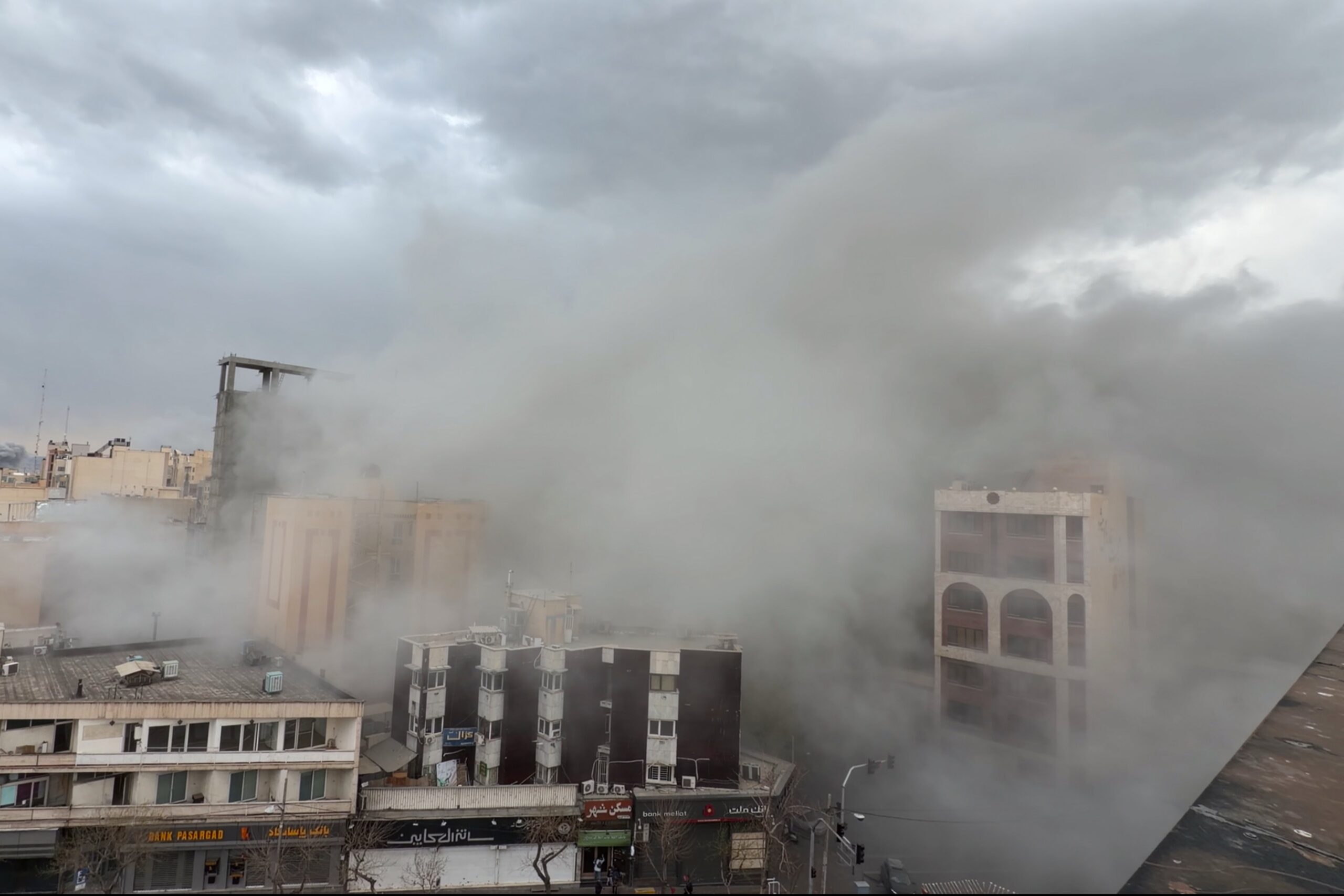
Travel disruptions across the Middle East are causing significant economic losses, with an estimated $600 million in international visitor spending lost daily.
This was disclosed by the World Travel & Tourism Council (WTTC) in a statement published on its website on Wednesday, which attributed the disruptions to escalating regional tensions.
The ongoing conflict involving Israel, the United States, and Iran has affected aviation operations and tourism demand, putting pressure on airlines, airports, and the broader travel sector.
What they are saying
WTTC has highlighted that the disruptions have an immediate impact on the Middle East’s tourism and aviation sectors. The region, a key hub for global travel, accounts for 5% of international arrivals and 14% of transit traffic, meaning disruptions quickly ripple worldwide.
Other News
- “The World Travel & Tourism Council (WTTC) estimates that the escalating conflict in Iran is already impacting the Travel & Tourism sector across the Middle East by at least US$600 million per day in international visitor spending, as disruptions to air travel, traveller confidence and regional connectivity affect demand.”
- Key aviation hubs including Dubai, Abu Dhabi, Doha, and Bahrain, which normally handle around 526,000 passengers daily, have faced closures and operational disruptions.
- The economic impact extends beyond airlines to hotels, car rentals, and cruise operators, highlighting the interconnected nature of global travel.
The losses underline the vulnerability of regional tourism to geopolitical tensions, even though the sector has shown resilience during previous crises.
More insights
Before the conflict, the Middle East was projected to generate $207 billion in international visitor spending in 2026. WTTC noted that the current disruptions therefore represent a substantial setback for the region’s travel and tourism industry.
- Gloria Guevara, President & CEO of WTTC, emphasized that the sector remains resilient, citing examples of rapid recovery from prior crises.
- She stressed that coordinated efforts, including clear communication and safety measures, are essential to restore traveller confidence and support recovery.
- Governments and private sector stakeholders play a critical role in rebuilding trust and ensuring operational continuity amid instability.
With swift action, tourism demand could rebound in as little as two months, WTTC suggests, highlighting both the risks and recovery potential for the region.
Get up to speed
Airlines have been adjusting operations amid escalating tensions. British Airways, for instance, suspended all flights to and from Abu Dhabi until later this year and cancelled flights to Amman, Bahrain, Doha, Dubai, and Tel Aviv through mid-March.
- Emirates temporarily halted operations to and from Dubai on March 7, resuming flights later the same day.
- These adjustments reflect broader uncertainty in the region and the challenges of maintaining safe and reliable air travel amid geopolitical instability.
- The situation continues to evolve, affecting schedules, passenger flow, and international travel plans.
The changes demonstrate how quickly regional instability can disrupt global air traffic networks.
What you should know
Airports in the Middle East have also adapted to the ongoing conflict. Dubai Airports (DXB) partially resumed operations from March 7, with flights operating from both Dubai International Airport and Dubai World Central.
- Between March 2 and March 5, over 500 flights departed DXB and DWC, offering roughly 105,000 outbound seats to more than 80 countries.
- More than 1,140 flights were facilitated over 84 hours to assist travellers returning home, though these numbers remained below normal capacity.
- In a diplomatic development, Iran’s president apologized to neighbouring countries for recent strikes and said Tehran would not target them unless provoked, signaling a conditional shift in policy while maintaining a defensive stance.
Travel and tourism operators are closely monitoring these developments, as regional stability will directly influence recovery prospects and international visitor confidence.
 Follow Us on Google Discover
Warning: Undefined variable $post_id in /var/www/nairametrics/wp-content/themes/nairametrics/comments.php on line 134
Warning: Undefined variable $post_id in /var/www/nairametrics/wp-content/themes/nairametrics/comments.php on line 134