
 Follow Us on Google Discover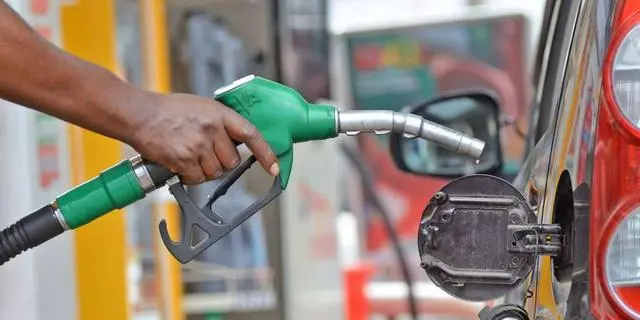
Several African countries continue to rank among the world’s cheapest destinations for petrol, driven largely by fuel subsidies, government price controls, domestic refining capacity, and access to crude oil reserves.
As of January 2026, Libya maintains a commanding lead as the continent’s cheapest fuel market, with prices far below global averages, while Angola and Algeria complete the top three, according to data from Global Petrol Prices.
The figures reflect average national retail petrol prices across African countries and were last updated on January 26, 2026. Prices are quoted in US dollars per litre and converted into local currencies at prevailing exchange rates.
The rankings are compiled using data from Global Petrol Prices, a widely referenced database that tracks national average retail energy prices in more than 150 countries and over 250 cities worldwide. The platform updates its data weekly and covers petrol, diesel, electricity, and natural gas. While the data provides a useful benchmark, actual pump prices may vary by city, supplier, and distribution costs within each country.
Other News
Below are the top 10 African countries with the cheapest petrol prices per litre as of January 2026:
Niger – $0.903 per litre
Rounding out the top 10, petrol in Niger costs $0.903 per litre, equivalent to about 499 West African CFA francs. For comparison, the average global price of diesel during the same period stood at about 693.51 West African CFA francs, highlighting Niger’s relatively lower fuel costs despite its structural constraints.
Although Niger is a landlocked country with limited domestic refining capacity and heavy dependence on imported petroleum products, it benefits from regional supply arrangements and targeted government interventions that help cushion domestic pump prices from full exposure to international market volatility.
The current regulated prices reflect a downward adjustment implemented in 2024, when the government cut fuel prices as part of broader measures to ease economic hardship and rising living costs following a prolonged period of political and economic instability. Since then, authorities have maintained controlled pricing to support households, transport operators, and small businesses, even as global energy prices fluctuate.
Tunisia – $0.89 per litre
Petrol sells in Tunisia at about $0.89 per litre, equivalent to approximately TND 2.53. The country maintains a system of partial fuel subsidies as it seeks to balance social stability concerns with broader fiscal reforms encouraged by international lenders.
Although pump prices have increased steadily in recent years, they remain among the lowest in North Africa outside the region’s major oil-producing countries.
Fuel prices in Tunisia are government-controlled and heavily subsidised, with periodic adjustments rather than full market liberalisation. Authorities have implemented multiple price increases over the years in an effort to gradually align domestic fuel costs with international oil prices while limiting the social impact of abrupt hikes.
Historically, the government has raised fuel prices several times within a single year, often in response to surging global oil prices and widening budget deficits. For example, petrol prices were increased on multiple occasions in 2022, reflecting the state’s effort to curb the growing cost of subsidies.
These adjustments are closely linked to Tunisia’s engagement with the International Monetary Fund (IMF), particularly under subsidy reform programmes initiated around 2016.
Under these arrangements, the government committed to reducing public spending and narrowing fiscal imbalances, making fuel price increases a recurring policy tool even as authorities remain cautious about public backlash and inflationary pressures.
Liberia – $0.854 per litre
Fuel in Liberia is priced at about $0.854 per litre, equivalent to roughly 158.38 Liberian dollars. The country relies almost entirely on imported refined petroleum products, making domestic fuel prices highly sensitive to movements in global oil markets as well as fluctuations in the exchange rate.
Government efforts to stabilise the Liberian dollar and manage supply have helped prevent even sharper price increases.
Despite these efforts, fuel prices rose significantly in 2025. Over a six-month period, gasoline prices increased by about 22%, reaching roughly 830 Liberian dollars per gallon by July, largely due to supply constraints and currency depreciation.
In response, the Liberia Petroleum Refining Company (LPRC), in collaboration with the government, introduced ceiling prices to contain the rapid rise in pump prices, although these caps were later adjusted as market pressures persisted.
By mid-2025, gasoline prices had climbed to around LRD 830 ($4.18) per gallon, while fuel oil (diesel) rose to approximately LRD 890 ($4.46) per gallon. These increases were driven primarily by the weakness of the local currency—trading at around 200 Liberian dollars to one US dollar—as well as the country’s limited pool of private fuel importers, which constrains competition and amplifies supply-side shocks.
As a result, while Liberia remains within Africa’s lower-priced fuel markets on a per-litre basis, domestic prices continue to reflect the country’s vulnerability to exchange rate volatility and external supply disruptions.
Ethiopia – $0.791 per litre
Petrol in Ethiopia costs approximately $0.791 per litre, equivalent to roughly 122.53 Ethiopian birr. The country’s fuel market is heavily influenced by state control of pricing and foreign exchange management, which has historically kept fuel costs relatively low compared with many regional peers.
However, periodic price adjustments are implemented to ease pressure on public finances and reflect fluctuations in global oil markets.
As of late 2025, the Ethiopian government continued to increase fuel prices in response to subsidy reductions, foreign exchange shortages, and gradual market liberalization. By December 10, 2025, gasoline prices had risen to 129.12 birr per litre, representing a 5.8% increase from May 2025 levels.
These hikes are intended to better align domestic fuel costs with international prices but have contributed to higher inflation, particularly in the transportation and logistics sectors, where fuel accounts for a significant portion of operating expenses.
Earlier in 2025, gasoline prices were set at 101.47 birr per litre, while diesel and kerosene were priced at 98.98 birr per litre, following a roughly 10% increase in October 2024. The government’s ongoing strategy of reducing subsidies indicates that retail prices for both gasoline and diesel are likely to continue rising, potentially putting further pressure on household budgets and the cost of goods and services.
Ethiopia’s reliance on imported refined products, coupled with limited domestic refining capacity, amplifies the impact of exchange rate fluctuations on fuel prices.
Sudan – $0.700 per litre
Fuel in Sudan sells for approximately $0.700 per litre, equivalent to around 630 Sudanese pounds. Prices are heavily influenced by ongoing economic challenges, including high inflation, currency depreciation, and frequent supply disruptions linked to political instability.
Despite these pressures, authorities continue to manage costs through administrative pricing measures aimed at mitigating sharp increases for consumers.
In 2021, Sudan fully liberalized gasoline and diesel prices, as announced by the Ministry of Finance. The move canceled previous fixed prices and introduced new rates intended to reflect actual import costs, according to Reuters. This shift marked a significant departure from the country’s longstanding policy of subsidized fuel and was designed to reduce the fiscal burden on the government while improving transparency in the energy sector.
Since then, fuel prices have remained volatile, shaped by the interplay of global oil prices, exchange rate fluctuations, and domestic logistical challenges. Sudan has been pursuing aggressive reforms under the supervision of the International Monetary Fund (IMF), with the goal of stabilizing the economy, restoring fiscal balance, and creating conditions for debt relief and renewed international financing. These reforms include subsidy reductions, currency liberalization, and attempts to enhance domestic fuel distribution networks.
Nigeria – $0.566 per litre
Africa’s largest oil producer, Nigeria, ranks fifth in the continent’s cheapest fuel markets, with petrol priced at approximately $0.566 per litre, or around N799.25.
Prices have risen sharply since the removal of long-standing fuel subsidies in 2023, yet Nigeria continues to offer relatively low fuel costs compared with many other African nations, thanks to its abundant crude oil reserves and steadily improving domestic refining capacity.
Recent developments have added upward pressure on prices. Last week, petroleum marketers sourcing petrol from the Dangote Petroleum Refinery were required to pay an additional ₦100 per litre, even for fuel for which payments had already been processed.
This followed a sudden upward revision of the refinery’s ex-depot price to N799 per litre, reflecting operational costs and global market adjustments.
In response to rising refinery prices, the Nigerian National Petroleum Company (NNPC) Limited subsequently adjusted the pump price of petrol, with prices in the Federal Capital Territory, Abuja, rising to N839 per litre. The increase underscores ongoing volatility in Nigeria’s fuel market, driven by the interplay of subsidy reforms, refinery output adjustments, and global crude oil price fluctuations.
Despite these hikes, Nigeria’s domestic pricing remains competitive regionally. Authorities continue to pursue policies aimed at expanding refining capacity, improving supply chain efficiency, and gradually moving toward cost-reflective pricing, balancing fiscal sustainability with the need to protect consumers from sudden shocks.
Egypt – $0.45 per litre
Petrol in Egypt costs around $0.45 per litre, or approximately EGP 21.00. Since 2016, the country has gradually reformed its fuel subsidy system under an IMF-backed programme, implementing periodic price adjustments to better reflect global market conditions and reduce fiscal pressures. Despite these reforms, Egypt’s fuel prices remain relatively low by regional and international standards.
In October 2025, the government announced another round of fuel price increases, as published in the country’s official gazette. This marked the second adjustment within the year, reflecting ongoing policies to scale back subsidies and ease the national budget deficit.
The October hike ranged from 10.5% to 12.9% across a broad spectrum of petroleum products, following an earlier increase of nearly 15% in April 2025.
These periodic adjustments are part of a broader strategy to align domestic fuel prices with international costs while gradually reducing the financial burden of subsidies on the government.
Algeria – $0.37 per litre
Fuel in Algeria is priced at $0.37 per litre, equivalent to roughly DZD 47.00. Decades of government subsidies, robust domestic oil and gas production, and relatively limited exposure to international price swings have helped keep pump prices among the lowest in the world.
However, on January 1, 2026, Algeria implemented a surprise, unannounced increase in fuel prices aimed at curbing rising production and distribution costs. Gasoline prices were adjusted to DZD 47 per litre, diesel to DZD 31 per litre, and LPG rates were also raised, although all remain well below global averages.
The announcement triggered brief, localized transportation strikes and minor disruptions in logistics as businesses and transport operators adapted to the new rates.
The government has emphasized that these price adjustments are intended to secure continuous fuel supplies while absorbing most of the actual production and distribution costs.
Angola – $0.327 per litre
Petrol in Angola sells for approximately $0.327 per litre, or around 300 Angolan kwanza. The country’s low fuel prices are largely sustained by state subsidies and strong domestic crude oil production, although the government has previously indicated plans to gradually adjust prices to ease fiscal pressures.
In July 2025, a proposed fuel price hike triggered two days of unrest and looting, resulting in the deaths of at least 22 people as tensions flared in the capital.
The violence began on the first day of a strike called by taxi drivers protesting the July 1 increase in fuel costs. Angola, an oil-rich nation where millions of citizens live in poverty, experienced some of its worst civil unrest in years, highlighting the sensitivity of fuel pricing in a country governed by the MPLA party since 1975.
Following the unrest, the government took a cautious approach, and in September 2025, authorities officially ruled out any immediate plans to raise gasoline prices, aiming to restore social stability while balancing the need to manage state finances.
Libya – $0.024 per litre
Libya remains Africa’s cheapest fuel market, with petrol priced at just $0.024 per litre, or roughly 0.15 Libyan dinar. This ultra-low cost is largely sustained by heavy state subsidies, supported by the country’s vast oil reserves and minimal domestic taxation, placing Libyan fuel among the cheapest in the world.
Despite these heavily subsidized prices, Libya faces chronic domestic shortages and widespread smuggling. The significant price gap between Libyan fuel and that of neighboring countries has incentivized large-scale diversion of subsidized fuel, with estimates suggesting that up to 30% of imported fuel is smuggled across borders. These dynamics have prompted ongoing discussions among policymakers about gradually phasing out subsidies to reduce economic losses and improve supply management.
The government is also grappling with logistical challenges, including aging refinery infrastructure, security issues, and disruptions caused by political instability, all of which exacerbate shortages despite abundant crude production.
Broader context
While low fuel prices can ease transport costs and inflationary pressures, they often come at a high fiscal cost, particularly for subsidy-dependent economies. Several African governments are under increasing pressure to reform fuel pricing to reduce budget deficits and redirect spending to infrastructure, health, and education.
As a result, the rankings may change rapidly in the coming years as subsidy reforms, currency movements, and global oil price fluctuations reshape domestic fuel markets across the continent.
 Follow Us on Google Discover
Warning: Undefined variable $post_id in /var/www/nairametrics/wp-content/themes/nairametrics/comments.php on line 134
Warning: Undefined variable $post_id in /var/www/nairametrics/wp-content/themes/nairametrics/comments.php on line 134