
 Follow Us on Google Discover
Deprecated: mb_convert_encoding(): Handling HTML entities via mbstring is deprecated; use htmlspecialchars, htmlentities, or mb_encode_numericentity/mb_decode_numericentity instead in /var/www/nairametrics/wp-content/themes/nairametrics/functions.php on line 104
For many immigrants, including Nigerians, Europe remains one of the top four global destinations for migration, offering opportunities for education, employment, and the prospect of long-term settlement.
A 2024 report from the EU’s migration‑policy platform estimates that over 260,000 Nigerians currently reside in the European Union, highlighting the continent’s growing appeal to those seeking new prospects abroad
For many, obtaining the citizenship of these countries is the ultimate goal, a milestone that promises greater security, mobility, and access to opportunities.
Yet, in some EU nations, achieving this goal is complicated by strict dual‑citizenship restrictions.
Other News
These rules prevent individuals from holding multiple nationalities, meaning that migrants may be required to renounce their original citizenship to acquire a new one. Dual‑citizenship restrictions are designed to ensure clear lines of allegiance and accountability, addressing concerns such as taxation, military service, and political rights.
In some nations, culture plays a role, as citizenship is closely tied to national identity and social cohesion, and allowing multiple nationalities is seen as potentially weakening that unity.
Understanding which countries enforce these restrictions and the limitations at stake is therefore crucial for anyone planning to migrate.
Here are the 12 EU countries that restrict or do not allow dual citizenship
Andorra
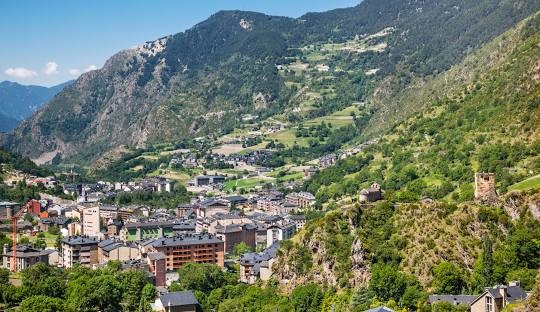
In Andorra, dual citizenship is strictly forbidden under its nationality laws. The government requires anyone who wants to become an Andorran citizen through naturalisation to renounce any previously held citizenship.
This policy reflects a broader aim: to ensure that citizens owe their allegiance solely to Andorra. Becoming a citizen of Andorra through naturalisation is not straightforward. Residency requirements are generally around 20 years for most applicants.
Alternatively, there are other pathways, like marriage to an Andorran citizen, under which naturalisation might come sooner. Once granted provisional citizenship, the applicant must renounce their previous nationality as a mandatory step. And if a citizen later acquires another foreign nationality or fails to renounce when required, Andorran law allows for revocation of the Andorran citizenship.
Estonia
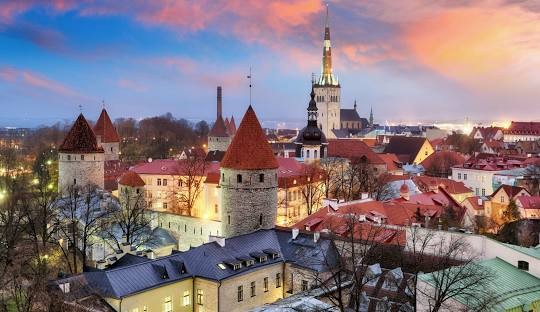
Under Estonia’s current legal framework, dual nationality is largely prohibited for people who naturalise. The reasoning is rooted in the logic that citizenship implies exclusive allegiance; accepting an additional nationality is treated as a voluntary renunciation of Estonian citizenship.
For a foreigner to become an Estonian citizen via naturalisation, they must meet several conditions: being at least 15 years old, having legally resided in Estonia for at least eight years (with the last five years as a permanent resident), proving competence in the Estonian language, passing a civics exam, and demonstrating stable means of support. Crucially, as part of the process they must also provide proof of renunciation of any previous citizenship.
However, there are some exceptions to it; individuals who acquire Estonian citizenship by birth (for example, because at least one parent is Estonian) are treated differently. Legally, the Estonian constitution says birthright citizenship cannot be involuntarily revoked.
In practice, this means a child born with dual nationality may hold both, at least until adulthood. But under current legislation, once they turn 18, they are expected to choose one nationality.
Monaco

Monaco generally does not allow dual citizenship, naturalisation as a Monegasque citizen requires that an applicant renounce any previous nationality.
The law aims to guarantee exclusive allegiance to Monaco rather than split national loyalties. For those seeking citizenship in Monaco through naturalisation, the process is stringent; one must have lived in Monaco for at least ten uninterrupted years after turning 18.
In addition, a successful applicant must formally relinquish any foreign nationality they hold. Naturalisation is not automatic, it is granted at the discretion of the country’s sovereign.
Austria
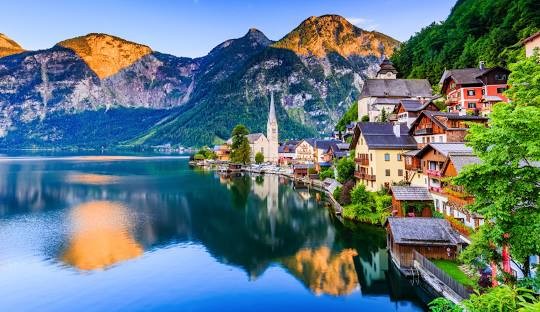
Austria’s nationality law generally prohibits dual or multiple citizenship. The main reason is to ensure exclusive allegiance. When someone becomes an Austrian citizen (or acquires another citizenship while an Austrian, the law assumes their full loyalty must lie with Austria alone.
If a foreigner applies for Austrian citizenship through naturalisation, they are typically required to renounce their previous nationality. Similarly, an Austrian who voluntarily acquires a foreign nationality will automatically lose Austrian citizenship unless they had officially applied beforehand for permission to retain it, and that request was approved.
There are exceptions. If a person automatically acquires two nationalities at birth, for example, one from each parent, or by being born in a country that grants citizenship by birth, Austria allows both citizenships to remain.
Also, in certain rare cases, for example, if obtaining Austrian citizenship would serve a special interest of Austria, the law may permit dual citizenship even for naturalised citizens.
Bosnia and Herzegovina
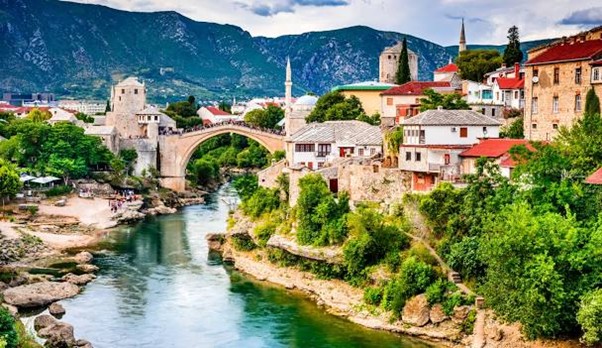
In Bosnia and Herzegovina, dual citizenship is allowed only when there is a bilateral agreement between Bosnia and Herzegovina and the other country.
As of now, those agreements are only in force with a few countries, namely Croatia, Serbia and Sweden.
For individuals who do not come from one of those countries, acquiring Bosnian citizenship through naturalisation (or voluntarily obtaining another nationality while holding Bosnian citizenship) generally requires renunciation of the other citizenship, or leads to loss of Bosnian citizenship.
To acquire Bosnian citizenship, a person must be at least 18 years old, have lived in Bosnia and Herzegovina with a permanent registered residence for at least eight years, speak one of the official languages, pose no threat to national security, have not been sentenced to more than three years for a premeditated crime within the past eight years, and must renounce their original citizenship.
Croatia
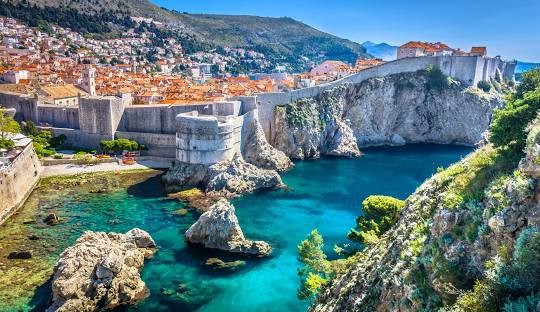
Croatia’s nationality law allows for dual citizenship, but whether it’s permissible depends on how you become Croatian. For people who are of Croatian descent (for example, those with a parent or ancestor who was a citizen, or emigrants reclaiming citizenship), the law offers a flexible approach: they generally do not have to give up their existing nationality.
To get Croatian citizenship by descent or by naturalisation. For citizenship by descent (sometimes under “Article 11” of the law), individuals can claim nationality based on proven lineage to a Croatian emigrant who left before October 8, 1991. This path does not require language tests, residence in Croatia, or renunciation of foreign citizenship.
On the other hand, for foreigners seeking naturalisation (based on residence, marriage, or other criteria), the conditions are stricter. They must be 18 or older, have legally resided in Croatia for at least eight years with permanent residence, prove proficiency in the Croatian language and knowledge of Croatian culture/social structure, and usually must renounce previous citizenship.
Also, certain categories like children, spouses of Croatian citizens, or people whose naturalisation is deemed in Croatia’s national interest may benefit from more favourable treatment or waivers.
Lithuania
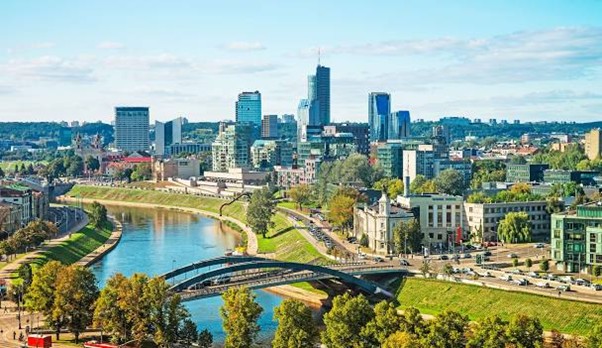
Lithuania’s constitution generally prohibits holding citizenship of Lithuania and another country at the same time, except in narrow, exceptional cases, like if a person acquired Lithuanian citizenship and that of another country at birth (for example, through mixed‑parentage or birth in a country granting citizenship by birth). If the person is a descendant (child, grandchild or great‑grandchild) of someone who held Lithuanian citizenship before June 15, 1940, often because that ancestor fled or was exiled during the Soviet era.
In certain adoption or rare “special‑merit” cases permitted by law. Outside those scenarios, dual nationality is not allowed. If a foreigner obtains Lithuanian citizenship through naturalisation, for example, after years of residency, they are generally required to renounce their previous nationality.
For foreigners to become Lithuanian citizens via naturalisation, they must meet several conditions: usually permanent residency for a number of years (often 10 years), pass a language exam, demonstrate knowledge of the country’s constitution, and show stable means of subsistence. Crucially, as part of the process, they must renounce any other citizenship they hold, since dual citizenship through naturalisation is generally disallowed.
Netherlands
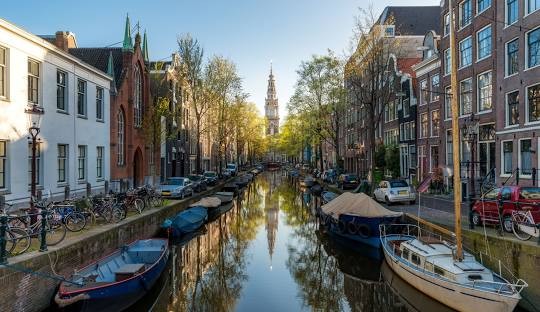
In the Netherlands, holding more than one nationality is generally discouraged. The country aims for clear and unambiguous allegiance. When someone becomes a Dutch citizen through naturalisation, the default requirement is renunciation of any prior nationality.
If a foreigner over 18 applies for Dutch citizenship by naturalisation, they are normally required to renounce their other nationality provided that is legally possible in their home country.
There are exceptions, renunciation may not be required if the home country does not allow giving up citizenship, if the applicant is married to (or in a registered partnership with) a Dutch citizen, or if they meet certain other criteria under Dutch law.
Dutch law stipulates that acquiring another nationality voluntarily can lead to automatic loss of Dutch citizenship. Also, for dual nationals living outside the Netherlands (or the wider Dutch kingdom / EU) for an extended period (e.g. 13 years) without renewing a Dutch passport or citizenship certificate, there is a risk of losing Dutch nationality.
Slovakia
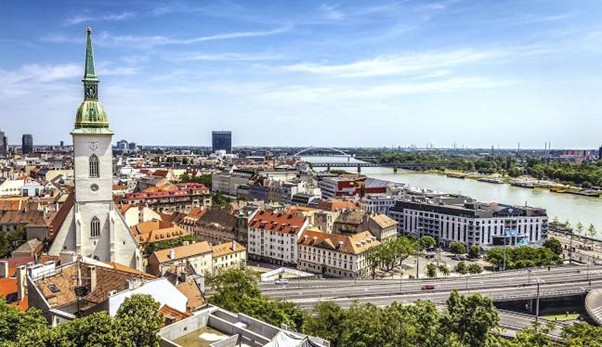
A Slovak citizen who voluntarily acquires a foreign nationality without long-term residence abroad generally loses their Slovak citizenship.
Slovakia does make exceptions; dual nationality is tolerated when a person acquires a second nationality by birth. Citizenship acquired automatically through marriage, adoption, or as a minor child may also be recognised without loss of Slovak nationality.
Since an amendment in 2022, Slovak citizens who have lived legally in another country for at least five years before acquiring that country’s citizenship can also retain their Slovak citizenship provided they notify the Ministry of Interior within 90 days and supply documentation of their residence.
In addition, obtaining Slovak citizenship by descent for possible for children born to Slovak parents and some descendants can have Slovak nationality without needing to renounce any other citizenship they hold.
For foreigners seeking Slovak citizenship through naturalisation, the rules are stricter. Typically, an applicant must have had continuous permanent residence in Slovakia for at least eight years or five years if married to a Slovak citizen, demonstrate Slovak language proficiency, show knowledge of Slovak history and society, present a clean criminal record, and prove a stable livelihood before being eligible. In such cases, unless one of the legal exceptions applies, acquiring Slovak citizenship via naturalisation usually means giving up one’s previous nationality.
Slovenia
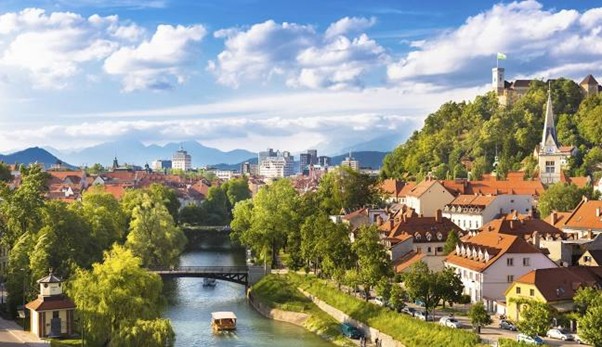
Slovenia does not have a blanket ban on dual citizenship. The country recognizes that some people may legitimately hold more than one nationality if citizenship was acquired at birth or by descent — but it puts stricter conditions on those who naturalise.
If someone is born to a Slovenian parent, or is otherwise entitled to citizenship by descent, dual nationality is typically allowed. Also, children born in a mixed-nationality marriage can hold Slovenian citizenship plus the other parent’s nationality, so long as the other country’s laws permit it.
For foreign nationals seeking to become Slovenian citizens through naturalisation, the standard requirements include a long residence period often around 10 years, language proficiency, stable means of support, clean criminal record, and integration into society. Under these circumstances, applicants are generally expected to renounce their previous citizenship unless they qualify for an exception.
There are some exceptions under the extraordinary naturalisation granted on grounds of exceptional contribution to the country either by scientific, economic, cultural, etc., foreign citizens may be allowed to retain their original nationality. Similarly, descendants of Slovenian emigrants or expatriates up to a certain generation may receive citizenship without strict renunciation rules.
Spain

Spain’s nationality law generally requires that foreigners who wish to obtain Spanish citizenship must renounce their previous nationality.
Although the general rule is renunciation, there are important exceptions. Citizens of certain countries, primarily those with historical or bilateral ties to Spain, may keep their original nationality. These include most Latin-American (Ibero-American) countries, as well as Andorra, the Philippines, Equatorial Guinea, and Portugal.
Also, people who are Spanish by origin (birth or descent) may acquire another nationality but must formally declare their desire to retain Spanish nationality within three years; otherwise, they risk losing it.
For a foreigner seeking Spanish citizenship via residency or naturalization, the standard path requires about 10 years, though there are reduced terms for certain nationalities and renunciation of previous citizenship, unless one comes from a country on the exception list. The process includes taking an oath of loyalty to Spain’s constitution and laws.
San Marino

San Marino maintains one of the strictest citizenship frameworks in Europe, and its refusal to allow dual citizenship is tied to its size, identity, and governance model. As one of the world’s smallest and oldest republics, the state places a high value on preserving a unified national identity.
The government believes dual citizenship could weaken this sense of cohesion, especially in a country with a population of just over 30,000 people. By insisting on exclusive allegiance, San Marino aims to prevent conflicting loyalties and ensure that every citizen is fully committed to the obligations and responsibilities of the republic.
Citizenship in San Marino is primarily acquired by descent, and even this pathway is narrow. A child can only obtain citizenship automatically if both parents are Sammarinese. If only one parent is a citizen, the child must live in San Marino until adulthood before gaining full recognition.
Foreign nationals seeking to naturalise face one of the longest residency requirements in the world. Anyone pursuing citizenship must live in San Marino for 30 uninterrupted years before they can apply. Even spouses of Sammarinese citizens are only eligible after 15 years of marriage and residence.
Applicants must also demonstrate good character, integration into society, and an understanding of the republic’s civic values. Most importantly, they must renounce their previous nationality, since San Marino does not permit new citizens to retain another passport.
 Follow Us on Google Discover


Warning: Undefined variable $post_id in /var/www/nairametrics/wp-content/themes/nairametrics/comments.php on line 134
Warning: Undefined variable $post_id in /var/www/nairametrics/wp-content/themes/nairametrics/comments.php on line 134