
 Follow Us on Google Discover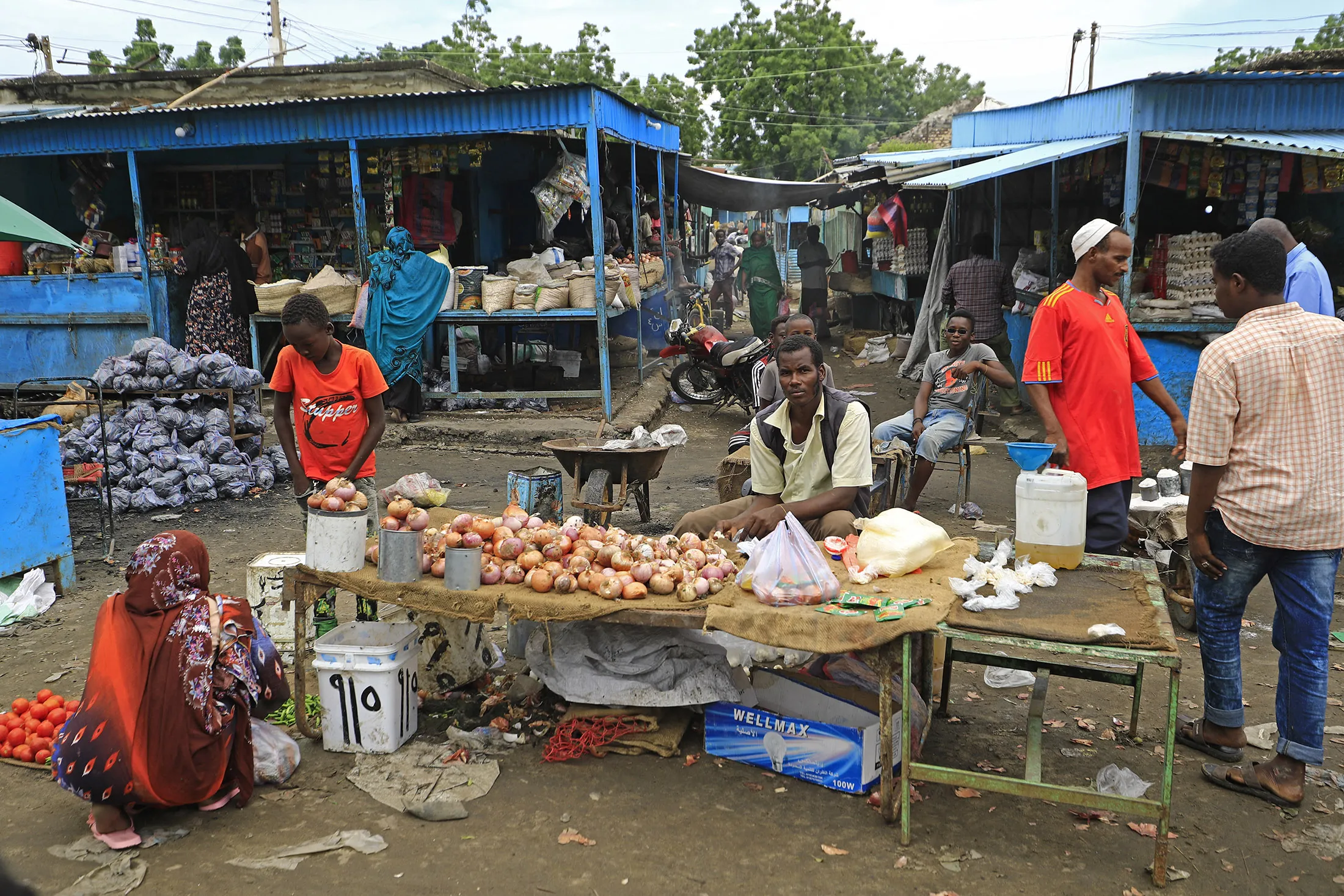
Inflation has continued to bite hard across Africa, remaining one of the toughest economic pressures weighing on households, governments, and businesses in 2025.
Persistent currency depreciation, rising food prices, higher import costs, and global supply disruptions have kept inflation elevated across the continent.
The latest figures for September and October 2025 show that several African nations are still dealing with double- and in some cases triple-digit inflation, straining household finances and complicating policy responses for governments and central banks.
Sudan maintained its position at the top of the list with the highest inflation rate in Africa, while Nigeria also remained among the top six, despite easing inflation in October.
Other News
Top 10 African countries with the highest inflation rates – October 2025
Egypt – 10.10%(October 2025)
- Sept 2025: 10.30%
Egypt rounds off the top 10, with inflation easing slightly to 10.10% in October from 10.30% the previous month. This continues a gradual cooling trend that began mid-2025, supported by FX reforms and targeted government interventions to improve food and commodity supplies.
However, the Central Agency for Public Mobilization and Statistics (CAPMAS) noted that urban inflation climbed to 12.5% in October, its first increase after four months of decline. With the CPI hitting 243.5 points, inflation remains sensitive to external shocks. A stable global commodity market could see Egypt close the year near 9.5%–10%, but renewed currency volatility or higher global oil and grain prices could push inflation above 11%.
Ethiopia – 11.70%(October 2025)
- Sept 2025: 13.20%
Ethiopia recorded a drop in headline inflation to 11.70% in October, down from 13.20% in the previous month. The deceleration reflects improved agricultural supply, better currency management, and less pressure on consumer goods.
Inflation has slowed significantly compared to 19.3% in October 2024, although transport costs remain a major driver, with average prices increasing 27% year-on-year, according to national CPI data. Domestic inflation remains elevated but is gradually moving back toward the central bank’s medium-term target.
São Tomé and Príncipe – 12.80%(September 2025)
- Aug 2025: 11.80%
São Tomé and Príncipe saw inflation climb to 12.80% in September from 11.80% in August, marking one of its highest inflation readings in recent years. The island nation—heavily dependent on imports—continues to face rising global shipping costs, higher commodity prices, and currency pressures.
Historically accustomed to single-digit inflation, the move toward 13% has forced monetary authorities into tightening mode. If external price pressures persist, inflation could edge toward 14% before year-end.
Zambia – 11.90%(October 2025)
- Sept 2025: 12.30%
Zambia posted inflation of 11.90% in October, down from 12.30% in September. The decline is largely attributable to improved currency stability and easing food costs, with food inflation dropping to 14.1% from 14.6% the previous month.
The government’s fiscal restructuring, including ongoing creditor engagements, has supported macroeconomic stability. However, Zambia remains exposed to global commodity volatility, especially given its reliance on copper earnings. Earlier in 2025, inflation hovered around 9%–10% but accelerated mid-year as import costs and shipping rates climbed.
Nigeria – 16.05%(October 2025)
- Sept 2025: 18.02%
Nigeria recorded one of its sharpest monthly declines in two years, with inflation easing to 16.05% in October from 18.02% in September. The drop is partly due to seasonal harvests, improved FX liquidity, stabilizing food supply chains, and ongoing monetary tightening by the Central Bank of Nigeria.
However, inflation remains elevated and continues to weigh heavily on essential goods—from transport to food staples and housing. In early 2025, inflation averaged above 24%, driven by the removal of fuel subsidies, FX volatility, and rising logistics costs. While October offers signs of improvement, price levels remain well above comfort levels and vulnerable to currency and fuel price swings.
Angola – 17.43%(October 2025)
- Sept 2025: 18.16%
Angola posted 17.43% inflation in October, a slight decline from 18.16% in September. The deceleration was helped by FX stabilization measures that eased import bills and slowed the pace of price increases. Monthly inflation also slowed to 0.93% from 1.01% the month prior.
Food and non-alcoholic beverages remain the biggest contributors to inflation, accounting for over two-thirds of price increases. While inflation has moved downward, it remains high relative to the central bank’s long-term stability targets.
Malawi – 29.10%(October 2025)
- Sept 2025: 28.70%
Malawi’s inflation climbed to 29.10% in October from 28.70% in September, driven largely by elevated food prices—particularly maize, which is central to household diets. Currency depreciation and higher import costs also continue to pressure inflation.
Government policy interventions, including interest rate hikes and productivity support, have yet to materially slow price growth. Notably, non-food items such as transportation are rising faster than many food products, indicating broader systemic cost pressures.
Zimbabwe – 32.70%(October 2025)
- Sept 2025: 82.70%
Zimbabwe experienced a significant decline in inflation, falling to 32.70% in October from 82.70% in the previous month. The improvement followed major monetary reforms and tighter fiscal discipline.
The Consumer Price Index shows that prices rose 13% between October 2024 and October 2025. Analysts say inflation performance remains highly sensitive to exchange rate stability and market confidence. While the October decline is a positive milestone, Zimbabwe remains vulnerable to renewed price escalation if discipline slips or currency pressures return.
Burundi – 36.90%(September 2025)
- Aug 2025: 36.60%
Burundi posted 36.90% inflation in September, slightly up from 36.60% in August. High food inflation continues to dominate price movements, driven by weak agricultural output, currency depreciation, and high import dependency.
Inflation has remained above 36% for much of 2025 despite government policy efforts. Limited industrial capacity and liquidity constraints remain major economic challenges. Burundi continues to hold the second-highest inflation rate in Africa.
Sudan – 83.47%(September 2025)
- Aug 2025: 83.05%
Sudan remains the country with the highest inflation rate in Africa at 83.47% in September 2025. Although significantly down from 422% in 2021, inflation remains exceptionally high due to intense currency depreciation, economic collapse from civil conflict, and soaring food and transport costs.
The ongoing conflict has weakened production, limited trade flows, and erased household purchasing power. Even with monetary tightening, meaningful relief for consumers remains elusive.
Why this matters
Rising inflation across Africa reflects deeper macroeconomic challenges—ranging from exchange-rate instability to high food prices and global supply disruptions.
Countries such as Sudan (83.47%), Burundi (36.90%), Zimbabwe (32.70%), Malawi (29.10%), and Angola (17.43%) continue to grapple with structural economic pressures, including dependence on imports, low production capacity, and political insecurity.
Even economies with stronger policy frameworks, such as Zambia (11.90%), Egypt (10.10%), and Ethiopia (11.70%), are struggling to contain cost-of-living pressures, despite signs of easing inflation in recent months.
Nigeria, at 16.05% in October, remains within the same inflationary spectrum seen across many African peers. Although improving FX liquidity and seasonal harvests have helped moderate inflation, price levels are still elevated relative to historical norms.
For policymakers across the continent, the challenge remains the same: lower inflation without slowing economic recovery. This means strengthening domestic production, improving FX stability, encouraging investment, and ensuring supply chains function efficiently to prevent inflation from becoming longer-term and structural.
 Follow Us on Google Discover

Warning: Undefined variable $post_id in /var/www/nairametrics/wp-content/themes/nairametrics/comments.php on line 134
Warning: Undefined variable $post_id in /var/www/nairametrics/wp-content/themes/nairametrics/comments.php on line 134