
 Follow Us on Google Discover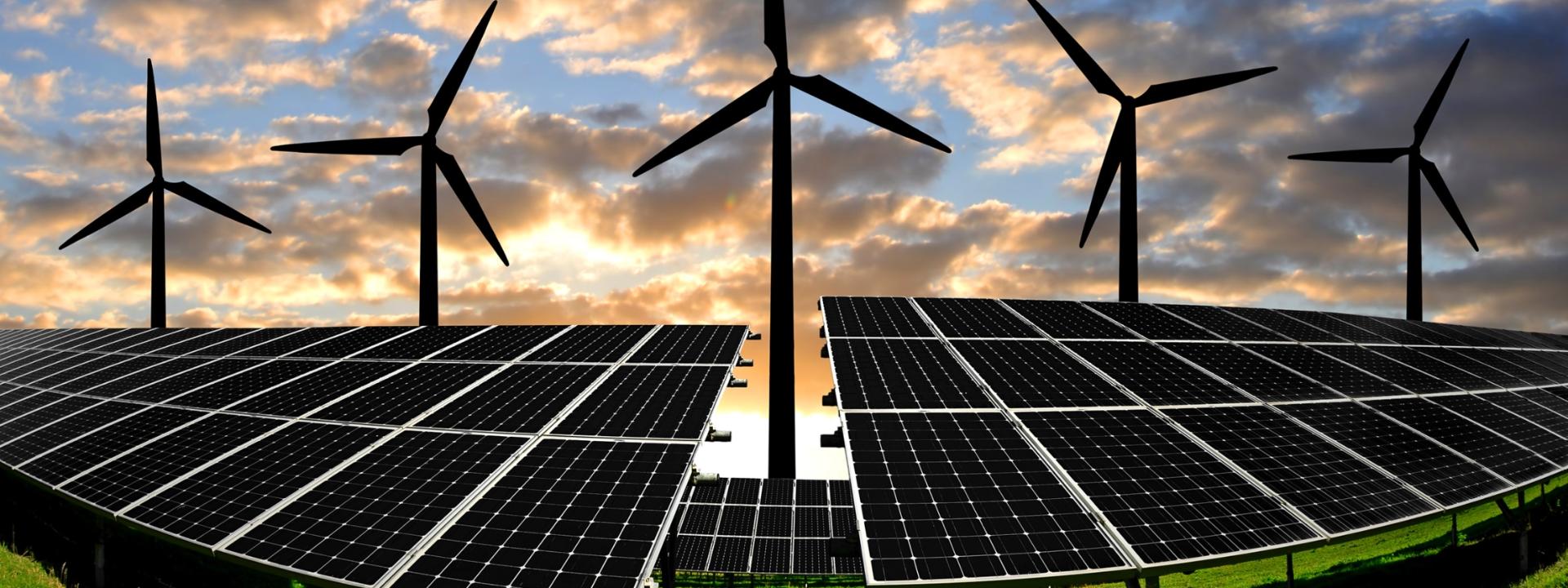
About 86 million Nigerians have no access to electricity.
86 million people have no lights to switch on at night, no fridges to store food for later, no microwave ovens to heat lunch, and no WIFIs to connect to the world.
Yet Nigeria has excellent sunlight and wind resources.
A golden opportunity to scale clean energy! An opportunity to “leapfrog” millions of Nigerians into a low-carbon future. However, achieving this goal involves billions of dollars. According to Nigeria’s Energy Transition Plan (the “Energy Transition Plan”), an estimated $500 billion (above business-as-usual spending) will be required in capital investments in the power sector for Nigeria to reach Net Zero by 2060.
Other News
This is a view on operationalizing the National Climate Change Fund (the “Fund”) to ensure an accelerated transition to clean energy whilst addressing energy security challenges in the country. The Fund is likely to reduce funding costs for clean energy projects, making same cheaper for the least protected members of society who lack access to electricity.
Also, the Energy Transition Plan estimates that reaching Net Zero will result in $686 billion in fuel savings for the country. Government-owned banks and financial institutions, such as the Nigeria Sovereign Investment Authority, the Development Bank of Nigeria, and the Bank of Industry, have provided expressions of interest to manage the Fund.
In a major milestone for the National Council on Climate Change (the “Council”) and ahead of COP30, the President of the Federal Republic of Nigeria has approved the operationalization of the Fund, along with its business plan.
Addressing Climate Financing Challenges
According to the Climate Policy Initiative (“CPI”): “In 2021/22, USD 2.5 billion of public and private capital — from both domestic and international sources — was invested in climate action in Nigeria. This makes for an annual climate finance gap of USD 27.2 billion”.
The CPI report points out that public actors provided the majority of climate finance in Nigeria, within the reference period, amounting to $1.8 billion compared to $760 million provided by private actors. Similarly, as stated in the Energy Transition Plan, there is little evidence of innovation that could “accelerate the mobilization of private sector funding” for energy transition projects in the local market.
The United Nations Environment Programme identifies the following additional challenges hindering sustainable and climate finance in Nigeria: affordability of finance, foreign exchange volatility, limited supply of bankable projects, data gaps and limited disclosures, limited green fiscal incentives, incoherent policy frameworks, and embryonic appetite for sustainability. The Fund is key in addressing these challenges.
The Fund will consist of budgetary appropriations by the federal government; subventions, grants, donations, and service charges and fees; funding due to Nigeria for meeting its Nationally Determined Contributions; fines and charges for flouting climate change mitigation and adaptation obligations; and carbon tax and emission trading proceeds.
Having various sources of funds ensures that the Fund will be in a position to provide affordable and concessional financing for climate-related projects. The Fund will also be able to introduce innovative sustainable finance instruments in the local market. Further, the Fund can provide financing for pre-feasibility studies and early-stage project preparation to deepen bankable project pipelines and align project pipelines with government plans.
A key objective of the Fund is to conduct an assessment of climate change impact on vulnerable communities and populations, which will further provide information and studies that may be relied on for project development. The foregoing will go to de-risk and catalyse private finance into climate-related projects, whether towards mitigation or adaptation.
In addition, the CPI asserts that the Fund could provide a platform and finance for activities such as ending gas flaring or ensuring a just transition, including mitigating the adverse effects of the phase-out of fossil fuels on relevant workers and communities.
Structuring the National Climate Change Fund
From the preceding paragraphs, the objectives and capitalization of the Fund have been adequately highlighted. Also, the Council has the power to review the source and application of the Fund. In terms of governance, different governing bodies may be created to oversee the relevant fund manager(s) of the Fund, including: a board, and/ or, as is common with fund management, an investment committee.
The governance of the fund will draw from and be supported by the Council (which is charged with the administration of the Fund) as well as the secretariat of the Council. It will be important for the relevant governing bodies to have climate, finance, and energy experts, as well as to represent key stakeholder groups. To further enhance social and economic participation in clean energy projects, the Fund should implement and follow safeguard standards such as the IFC Performance Standards.
Conclusion
The operationalization of the Fund should be prioritized by all relevant government actors. The Fund will help address key challenges that have been identified in relation to climate finance. The Fund will provide leadership and coherence in the climate finance space. It will enhance local and foreign investor confidence and appetite in climate change and clean energy projects in Nigeria.
It is unlikely that the policy will face any political opposition. The legal framework for the Fund exists. The call is to implement the relevant law urgently – the Climate Change Act. Operationalizing the Fund is a step in the right direction in closing the clean energy funding gap in Nigeria.
- Adebisi Sanda is a Nigerian lawyer with experience in clean energy and climate finance. The article reflects his personal views.
 Follow Us on Google Discover


Warning: Undefined variable $post_id in /var/www/nairametrics/wp-content/themes/nairametrics/comments.php on line 134
Warning: Undefined variable $post_id in /var/www/nairametrics/wp-content/themes/nairametrics/comments.php on line 134