
 Follow Us on Google Discover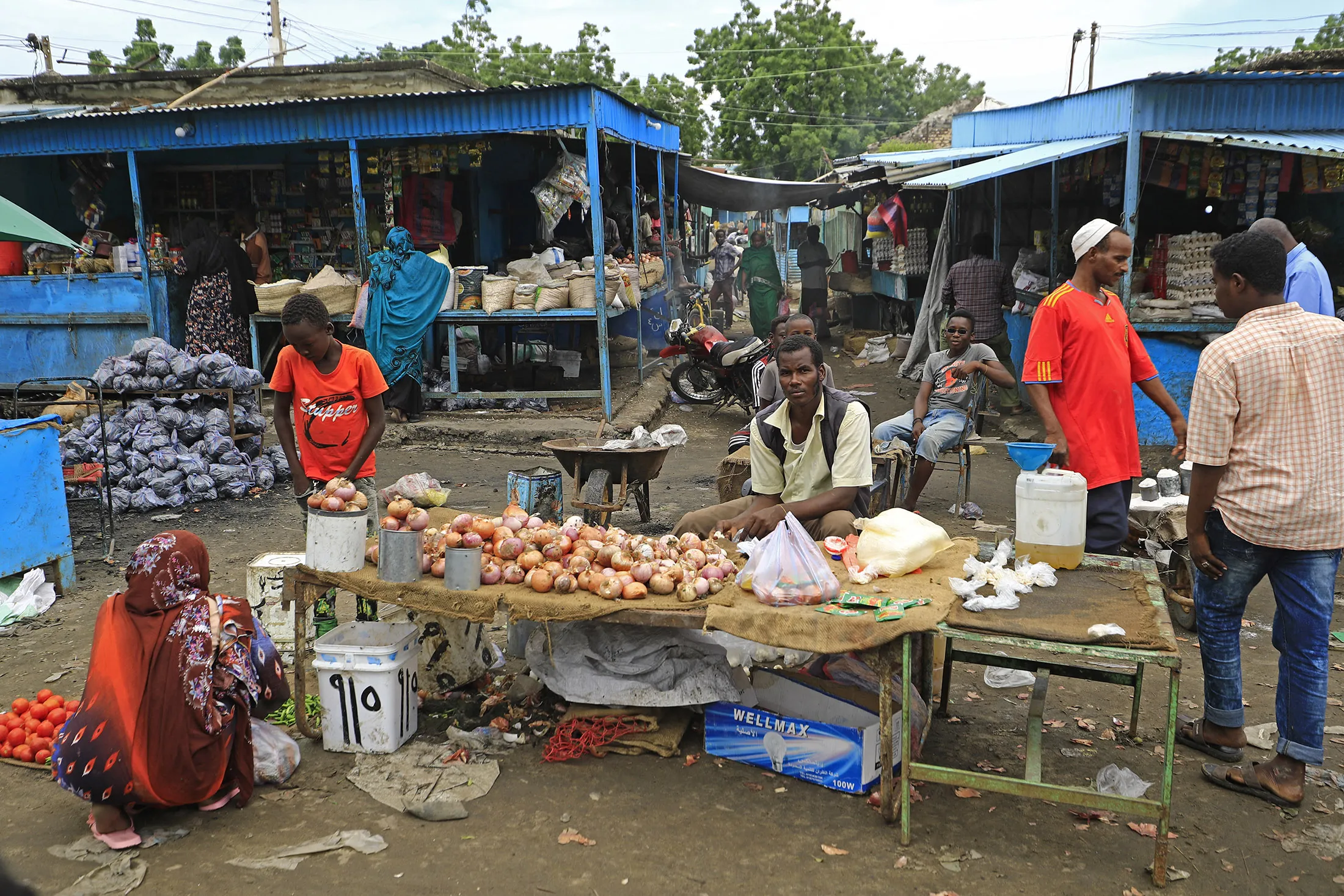
Global inflation pressures remain uneven, but a handful of countries continue to battle extraordinarily high price growth driven by currency weakness, fiscal strain, and structural economic fragilities.
From Africa to South America, inflation is eroding purchasing power and testing policy responses, with several economies still recording double and even triple-digit rates in 2025.
Venezuela, in South America, would have ranked first with an inflation rate of 172%, but the latest available data only covers April 2025, hence its exclusion from the list.
While many advanced economies have seen inflation moderate, some developing nations remain trapped in cycles of high prices, unstable currencies, and fragile supply chains.
Other News
The Nairametrics Research Team’s review of the latest available data, mostly from the countries’ statistical offices, shows that countries like Venezuela, South Sudan, and Sudan lead the world with inflation rates above 80%, underscoring persistent macroeconomic imbalances and governance challenges.
Below are countries with the highest inflation rates in the world.
Angola – 18.2% (September 2025, Africa)
Angola’s annual inflation rate stood at 18.2% in September 2025, reflecting a steady moderation from the elevated levels recorded in 2024. According to data from the National Institute of Statistics (INE) and the Bank of Angola, this decline marks progress in the country’s disinflation drive, supported by tighter monetary policy and relative exchange rate stability.
The kwanza’s (AOA) improved stability since late 2024 has also slowed imported inflation, particularly in food and fuel categories that previously drove price spikes. However, structural vulnerabilities, such as heavy dependence on imports, limited domestic production, and exposure to oil-price fluctuations, continue to exert underlying pressure on prices.
To consolidate progress, Angola may need to sustain prudent monetary management, strengthen fiscal transparency, and invest in domestic production to reduce import dependence. Continued reforms that build investor confidence and improve agricultural productivity could help cushion the economy from external shocks and sustain price stability in the medium term.
Malawi – 28.7% (September 2025, Africa)
Malawi’s inflation climbed to 28.7% in September 2025, up from 28.2% in August, according to the National Statistical Office. The main drivers are food and fuel price increases, currency depreciation, and supply-chain disruptions. Dependence on imported goods and high transport costs continue to amplify inflationary pressures.
Stabilizing the Malawi kwacha (MWK) through prudent monetary management, improving agricultural yields, and addressing structural bottlenecks in energy and logistics could all help. Tight fiscal discipline and credible inflation-targeting could gradually restore stability.
Argentina – 31.8% (September 2025, South America)
Argentina’s inflation slowed slightly to 31.8% in September 2025 from around 33.6 percent in August, according to the Instituto Nacional de Estadística y Censos (INDEC) data. Although lower than in previous years, inflation remains a chronic problem rooted in fiscal imbalances and weak monetary credibility. Large government deficits financed through central-bank borrowing, a depreciating Argentine peso (ARS$), and persistent inflation expectations continue to fuel price increases.
Fiscal consolidation, a credible disinflation plan, and restoring the central bank’s autonomy are crucial. Consistent exchange-rate management and structural reforms to boost export competitiveness could help anchor expectations and stabilise the peso.
Haiti – 31.9% (September 2025, North America)
Haiti’s inflation reached 31.9% in September 2025, amid a backdrop of political instability, security challenges, and fragile supply chains. The Haitian gourde’s (HTG) depreciation against the US$ and high costs of imported food and fuel have kept consumer prices rising. Structural weaknesses, limited local production, poor infrastructure, and frequent disruptions in trade amplify imported inflation.
A stable political and security environment is a precondition for any improvement. Strengthening currency management, enhancing agricultural productivity, and investing in transport and market logistics could all help bring inflation down sustainably.
Zimbabwe – 32.7% (October 2025, Africa)
Zimbabwe’s annual inflation rate stood at 32.7% in October 2025, according to reports quoting the Zimbabwe National Statistics Agency (ZimStat). Zimbabwe experienced the most dramatic monthly change in YoY inflation, dropping sharply from 82.7% in September 2025 to 32.7% in October 2025.
While this marks an improvement from hyperinflationary episodes in recent years, inflation remains elevated due to currency instability and limited confidence in the domestic unit – the Zimbabwe Gold (ZWG) introduced in April 2024 by the Reserve Bank of Zimbabwe (RBZ) to replace the collapsing Zimbabwe dollar (ZWL).
A persistent reliance on imports, monetary imbalances, and weak production capacity have continued to feed price volatility.
Strengthening monetary reform, particularly currency rationalization, enhancing domestic manufacturing, and restoring fiscal transparency could be essential steps. Building investor confidence and expanding productive investment could also moderate long-term inflation.
Turkey – 33.29% (September 2025, Asia/Europe)
Turkey’s inflation remains stubbornly high at 33.29% as of September 2025, rising from 32.95% in August, reflecting ongoing currency weakness and earlier unorthodox monetary policies that kept interest rates low despite surging prices.
The Turkish lira’s (TRY) depreciation has significantly raised the cost of imported goods, particularly energy and food. Domestic demand, fueled by fiscal support and credit expansion, has also kept upward pressure on prices.
A credible commitment to monetary tightening, anchored by an independent central bank, could help restore confidence and strengthen the lira. Fiscal prudence, structural reforms, and efforts to boost domestic production could further stabilize the inflation trajectory.
Burundi – 36.9% (September 2025, Africa)
Burundi’s inflation reached 36.9% in September 2025, marginally increased from 36.6% in August, driven largely by food and transport costs, according to the national statistics office. The pressures reflect exchange-rate depreciation, elevated import prices, and weak domestic food production following erratic weather and limited infrastructure. Like many low-income countries, Burundi also faces fiscal and monetary constraints that limit its ability to contain price surges.
Boosting agricultural productivity, improving transport infrastructure, and maintaining tighter fiscal and monetary policy could help. Strengthening currency management and reducing import dependency, particularly for food and fuel, would also ease price pressures.
Iran – 38.9% (October 2025, Asia)
Iran’s inflation rate eased to 38.9% in October 2025, surging from 37.5% in September, according to the Statistical Centre of Iran. Inflationary pressure stems from fiscal deficits, currency volatility, and the lingering effect of international sanctions that restrict access to foreign exchange. Persistent depreciation of the Iranian Rial (IRR) and high import costs continue to erode household purchasing power. Weak central-bank autonomy and deficit monetization have kept inflation entrenched.
Strengthening central-bank independence, rebuilding foreign-exchange buffers, and gradual fiscal consolidation would be crucial. A breakthrough that eases external sanctions or restores stable oil-export revenues could also help stabilize the rial and temper inflation.
Sudan – 83.47% (September 2025, Africa)
Inflation in Sudan fell to 83.47% in September 2025 from about 156.3% in April 2025, as reported by the Sudan Tribune, citing official statistics. Despite the decline, inflation remains dangerously high, driven by expansive money supply, exchange-rate depreciation, and structural distortions in food and energy markets. Years of conflict and policy fragmentation have also weakened productive capacity. Supply shortages and erratic policy implementation continue to constrain stability.
Re-establishing a stable monetary framework, containing money-supply growth, and improving domestic food production and logistics would help lower prices. Exchange rate stabilization and institutional policy consistency are key to restoring investor confidence.
South Sudan – 107.9% (September 2025, Africa)
South Sudan’s inflation remains among the highest globally, recording 107.9 percent in September 2025, down slightly from about 112.6% a year earlier. The economy continues to struggle with a volatile exchange rate, weak policy coordination, and heavy dependence on oil revenues that fluctuate with global prices.
The South Sudanese pound’s (£SSP) steep depreciation has kept import costs high, while disruptions to transport and supply networks push food and fuel prices upward. Political uncertainty and persistent fiscal deficits further complicate efforts to stabilize prices.
Building stronger fiscal discipline around oil revenue, improving infrastructure and border logistics, and adopting a more credible exchange-rate policy could help curb inflation over time. Encouraging domestic production could also relieve supply-side pressures.
 Follow Us on Google Discover

Warning: Undefined variable $post_id in /var/www/nairametrics/wp-content/themes/nairametrics/comments.php on line 134
Warning: Undefined variable $post_id in /var/www/nairametrics/wp-content/themes/nairametrics/comments.php on line 134