
 Follow Us on Google Discover
Deprecated: mb_convert_encoding(): Handling HTML entities via mbstring is deprecated; use htmlspecialchars, htmlentities, or mb_encode_numericentity/mb_decode_numericentity instead in /var/www/nairametrics/wp-content/themes/nairametrics/functions.php on line 104
Lagos, Nigeria’s commercial heartbeat, runs on an insatiable appetite for red meat. Every day, thousands of cattle, goats, and rams pass through the city’s bustling abattoirs to feed more than 22 million residents.
According to the Lagos State Ministry of Agriculture, the state consumes an estimated N328 billion worth of beef annually. The state requires about 1.87 million heads of cattle (equivalent to 468,416 metric tonnes of beef) each year to meet part of its protein demand.
Despite this massive consumption, local production remains extremely low. Figures from the ministry indicate that only 12,399 heads of cattle of the total demand are produced within the state. This leaves a wide supply gap that is largely filled through imports from Northern Nigeria and neighbouring countries such as Niger, Chad, Cameroon, and Burkina Faso.
According to the Development Agenda for Western Nigeria (DAWN), the southwest region is the highest consumer of livestock products in Nigeria, earning a place of importance in the global livestock industry. Of this region, Lagos state accounts for about 70% of the numbers.
Other News
Lagos currently has no functional ranch, even though the government is working on the Eko Ranch Project, designed to promote local cattle rearing, reduce reliance on imports, and strengthen food security.
Last year, no fewer than 10,000 heads of cattle were slaughtered in Lagos daily, including those processed in military barracks. This shows a big contrast: Lagos eats the most meat in Nigeria, but also remains the least self-sufficient in production. According to reports, Lagos state has a total of 16 abattoirs, of which the state government runs 11. However, many of them remain obscure.
Here is a list of 8 major abattoirs in Lagos
Achakpo mechanised Abattoir
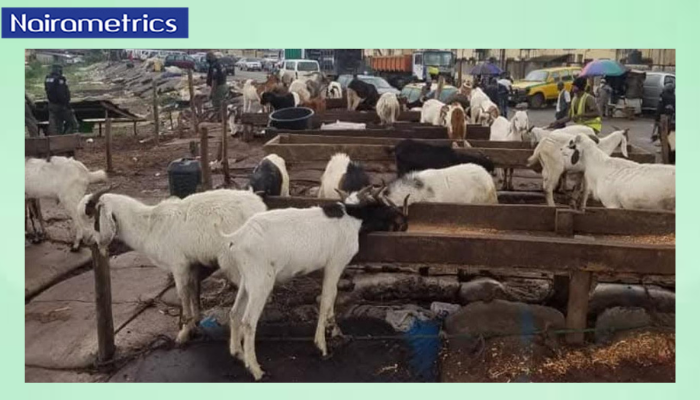
Achakpo Mechanized Abattoir serves the Ajegunle area in the Ajeromi-Ifelodun Local Government Area of Lagos. It is one of the officially approved abattoirs recognized by the Lagos State Ministry of Agriculture, operating under veterinary supervision to certify that meat processed there is fit for human consumption. The facility has undergone significant upgrades over the years, transitioning from a simple slaughter slab to a semi-mechanized abattoir with improved infrastructure and processing capabilities.
In 2017, the Lagos State Government made substantial investments in the Abattoir through a collaboration with Charlie Papa Limited, a private firm, to construct an ultra-modern slaughter slab.
The ultra-modern structure is equipped with a veterinary inspection point, slaughter and carcass processing tables with running water, animal skin gas-burning and flaring sections, and separate changing rooms for butchers. It also includes 20 toilets and bathroom units, a 35,000-gallon water reservoir, and a borehole to ensure a continuous water supply. These improvements were designed to bring the facility up to contemporary standards for meat processing and food safety.
Given Ajegunle’s status as one of Lagos’ most densely populated neighborhoods, the facility plays a crucial role in feeding this large urban population.
Itire slaughter slab

The Itire Slaughter Slab is one of the approved, though often criticized, semi-mechanized abattoirs located in the Itire-Ikate area of Surulere
Its central position makes it one of the most accessible slaughter points in the metropolis, providing a steady meat supply to nearby markets such as Itire Market, Lawanson Market, and Tejuosho Market. The facility plays a critical role in supporting local commerce and ensuring that surrounding communities have access to inspected and hygienically processed meat.
The Itire Slaughter Slab is a medium-capacity facility designed for daily slaughter operations under veterinary supervision. Activities typically include animal inspection, slaughtering, flaying, and carcass dressing, all conducted in a controlled environment to maintain sanitary conditions.
Ikorodu slaughter slab
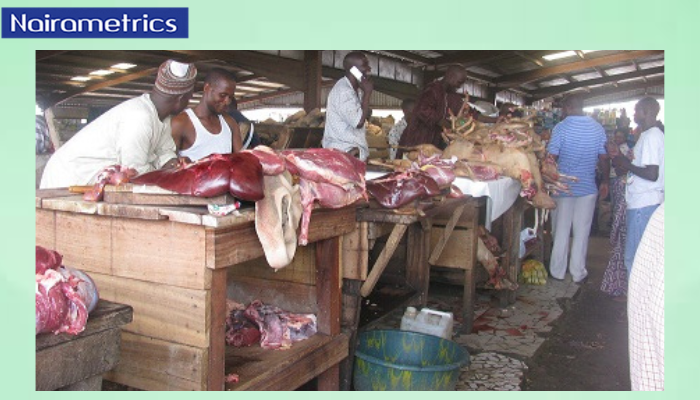
Ikorodu Slaughter Slab serves one of Lagos State’s most rapidly growing suburban centers located along the Lagos Lagoon. Ikorodu, with its population exceeding one million inhabitants, is the second largest local government area in Lagos State.
This historic town, originally settled by emigrants from Sagamu and parts of Ijebu in Ogun State, has evolved from its agricultural and trading roots into a major commercial and residential hub, thus requiring substantial meat processing capacity to feed its expanding population.
Ikorodu slaughter slab is officially recognized by the Lagos State Ministry of Agriculture and operates under government authorization with veterinary supervision to certify meat as fit for human consumption from the ministry.
The facility serves not just Ikorodu town itself but the entire Ikorodu division, which has been subdivided for administrative purposes into multiple Local Council Development Areas, including Imota, Igbogbo-Bayeku, Ijede, Ikorodu North, and Ikorodu West.
Badagry slaughter slab
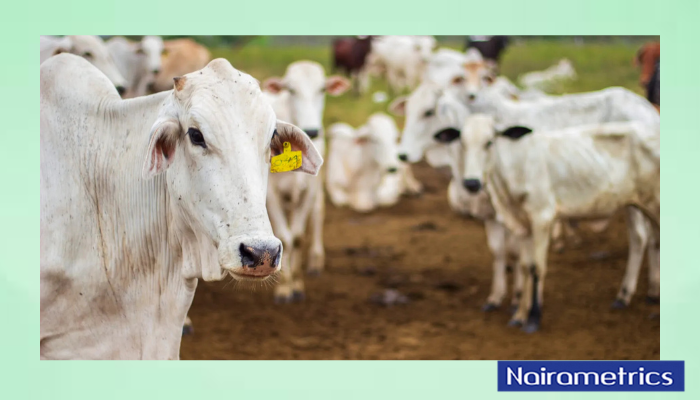
Badagry slaughter slab is located along the Porto-Novo Creek, a vital waterway linking Nigeria’s commercial capital, Lagos, to the Beninese capital of Porto-Novo.
As one of the officially approved abattoirs recognized by the Lagos State Ministry of Agriculture, the Badagry Slaughter Slab operates under government authorization and veterinary supervision to ensure that meat processed there is safe for human consumption.
The facility serves the historic town of Badagry and its surrounding communities, including Aradagun, Ajara, and Topo, which depend heavily on it for their daily supply of red meat. Given Badagry’s position as a border town and trading corridor between Nigeria and the Republic of Benin, the abattoir also benefits from the steady inflow of livestock transported from neighboring countries.
Epe Slaughter Slab
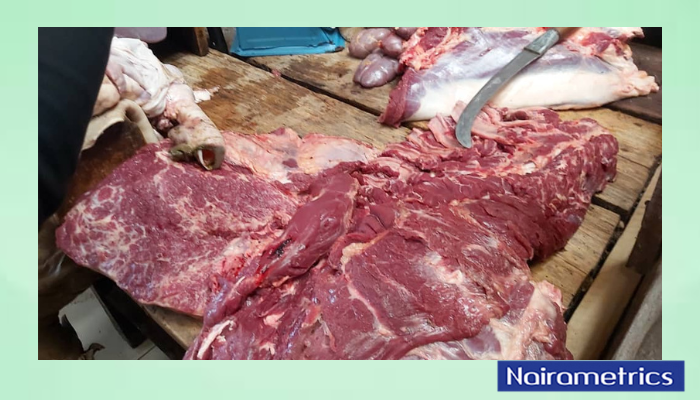
Epe Slaughter Slab serves the town of Epe, an Ijebu-Yoruba settlement located on the north side of the Lekki Lagoon in Lagos Island.
As one of the officially approved abattoirs by the Lagos State Ministry of Agriculture, Epe Slaughter Slab operates under government authorization with veterinary supervision. The facility serves not just Epe town itself but the extensive communities scattered across the Epe Local Government Area.
Epe is known for its traditional economic activities centred on fishing, farming, and trading, with the town’s markets serving as collection points for produce from surrounding agricultural communities. Epe’s famous fish market has become renowned across Lagos State as a major source of fresh fish and seafood, attracting buyers from throughout the metropolis.
There is no publicly detailed information about the Epe Slaughter Slab’s operations, capacity, and conditions, which remain limited.
Ilaje slaughter slab
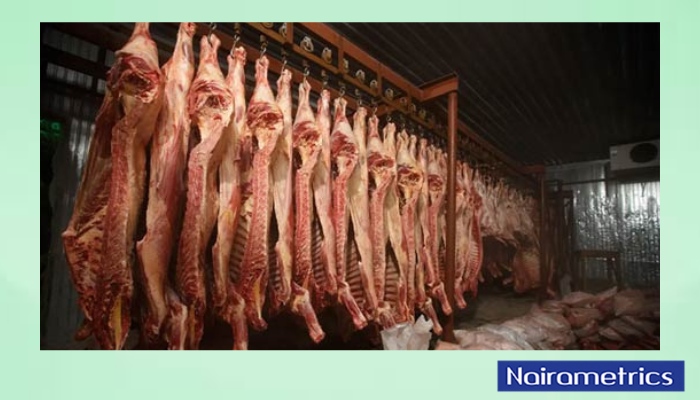
The Ilaje Abattoir in Bariga was officially launched in February 2021 by Governor Babajide Sanwo-Olu as part of the Lagos State government’s reforms in the red-meat value chain. The project was one of the first facilities to be completed under the state’s ATM agenda, an initiative focused on improving Abattoirs, Transportation, and Marketing within the livestock sector.
The abattoir was developed through a concession arrangement with Lion UNISCO, a private operator, and is recognised as one of Lagos’ semi-mechanised facilities built to international standards.
Located in Ilaje, Bariga, the abattoir was designed to serve communities across Somolu, Bariga, and adjoining areas on Lagos Mainland. The location was strategically chosen to decentralise meat processing from the congested Oko-Oba facility in Agege, providing nearby markets and butchers a more hygienic and accessible slaughtering centre.
According to the then Commissioner for Agriculture, Abisola Olusanya, the Ilaje Abattoir can process between 100 and 150 cattle daily, as well as 80 to 120 sheep and goats. The facility includes cold storage units and meat processing equipment to ensure proper handling and preservation of red meat. During the inauguration, the state government noted that the abattoir would generate about 800 direct and indirect jobs, creating employment for butchers, veterinary doctors, cleaners, and support staff.
Matori Slaughter Slab
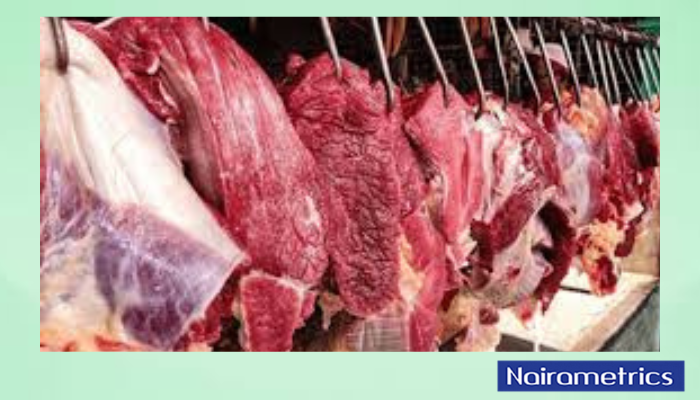
Matori Slaughter Slab is located in Mushin Local Government Area. The facility operates within one of Lagos’ most congested and commercially active districts. Mushin itself is situated approximately ten kilometers north of the Lagos city core, has evolved into a major commercial and industrial hub.
The Matori area along Fatai Atere Way hosts numerous manufacturing and commercial enterprises alongside residential neighborhoods. The slaughter slab serves the community and surrounding areas, including Oshodi, providing a crucial source of fresh meat to local markets and butchers.
As one of the officially approved facilities by the Lagos State Ministry of Agriculture, Matori operates under veterinary supervision, with inspectors deployed to examine animals before and after slaughter to certify meat is fit for human consumption.
Oko Oba Abattoir
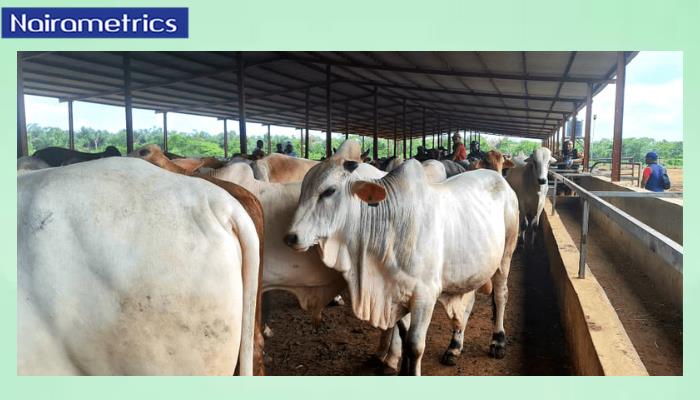
Oko-Oba Abattoir stands as the flagship meat processing facility in Lagos State, built in 1992 by former Governor Alhaji Lateef Kayode Jakande. Located on Oko-Oba Road along Old Abeokuta Road in Agege, within the Ifako-Ijaiye Local Government Area, this facility has become the cornerstone of Lagos’ red meat supply chain.
The abattoir sits alongside the Oko-Oba River, and its scale is truly impressive as it holds the distinction of being not only the largest abattoir in Lagos State but reportedly the largest in the entire West African sub-region.
It serves a large catchment: butchers, meat traders, and consumers across the entire Lagos metropolis and beyond, including neighbouring states. Animals are transported by road from different parts of Northern Nigeria and from neighbouring countries.
Cattle dominate the slaughter operations at Oko-Oba, accounting for 88% to 92% of all animals processed, depending on the season. Goats make up the second largest category at 6% to 11% followed by sheep at 1 to 1.4%, with camels representing a negligible 0.01% to 0.18 % of throughput.
 Follow Us on Google Discover

Warning: Undefined variable $post_id in /var/www/nairametrics/wp-content/themes/nairametrics/comments.php on line 134
Warning: Undefined variable $post_id in /var/www/nairametrics/wp-content/themes/nairametrics/comments.php on line 134