
 Follow Us on Google Discover
Deprecated: mb_convert_encoding(): Handling HTML entities via mbstring is deprecated; use htmlspecialchars, htmlentities, or mb_encode_numericentity/mb_decode_numericentity instead in /var/www/nairametrics/wp-content/themes/nairametrics/functions.php on line 104
Africa’s diverse geography and expanding economies have fostered an extensive network of airports and airfields across the continent.
From major international hubs handling millions of passengers each year to small airstrips connecting remote communities, these facilities play a vital role in transport, tourism, and economic activity.
Airports are defined as facilities with paved runways and regular commercial services, primarily handling passenger flights, cargo transport, and connecting cities or countries.
Airfields, on the other hand, include smaller or unpaved strips used for private, regional, or specialized operations, often accommodating helicopters, charter flights, and logistical or emergency services.
Other News
The data for this ranking is sourced from the World Factbook by the Central Intelligence Agency (CIA), specifically the Country Comparisons section on Airports. Totals include all locations recognizable from the air, whether paved or unpaved, and may cover closed or abandoned installations.
Africa’s most populous country, Nigeria, ranks 18th on the continent with approximately 50 airports and airfields. Of these, 23 are operational and managed by the Federal Airports Authority of Nigeria (FAAN), handling over 18 million passengers annually, according to the ICAO State Profile: FAAN 2024. Despite a population of more than 200 million, most Nigerians rely on road transport, and limited income and demand restrict air travel.
The list below presents the ten African countries with the largest number of airports and airfields in 2025, highlighting major international gateways, regional connectivity, and the role of smaller airstrips in linking communities, supporting tourism, and facilitating economic and logistical activity.
Algeria — 95
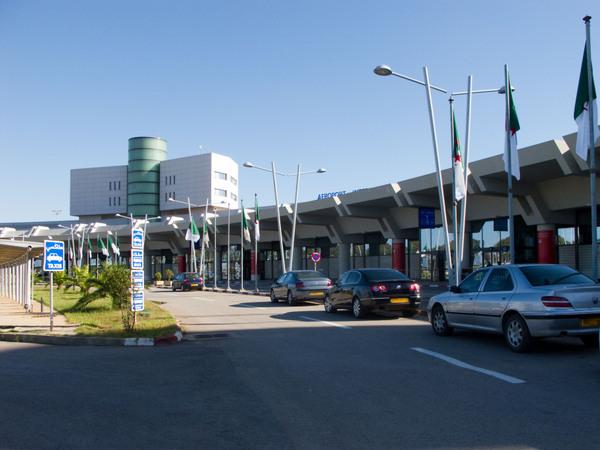
With 95 airports and airfields, Algeria holds the tenth position on the continent. Its network stretches across a very large landmass, including the Sahara.
Houari Boumediene Airport in Algiers serves as the main international gateway, handling most passenger traffic and linking Algeria to regional and global destinations.
Smaller airports and remote airstrips provide access to military installations, mining operations, and small communities throughout the country. Both paved and unpaved facilities are essential for connecting regions that are difficult to reach by road.
Together, Algeria’s major airports and scattered airfields support commercial aviation and regional access, highlighting the strategic use of air transport across its vast territory.
Angola — 107
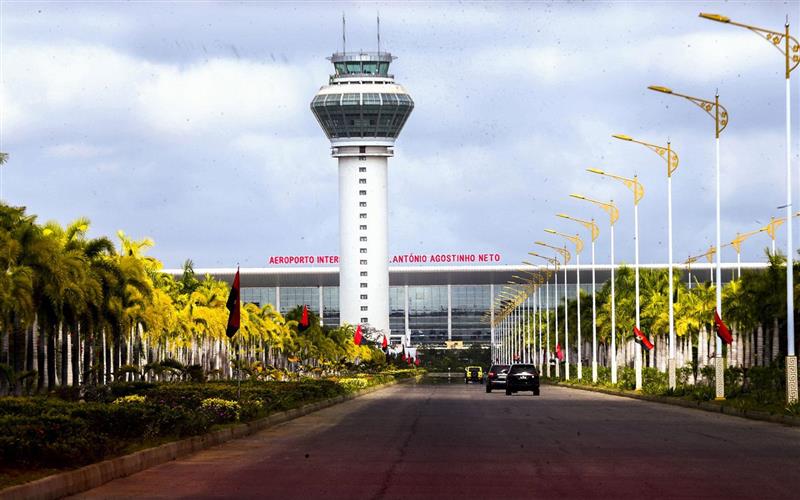
A total of 107 airports and airfields place Angola ninth in Africa, reflecting historical development and the country’s resource-rich regions. Quatro de Fevereiro Airport in Luanda serves as the main international gateway, handling the bulk of passenger traffic and connecting Angola to regional and global destinations.
Beyond this hub, a mix of paved and unpaved airstrips is scattered across the country. Many were built during earlier development phases, while others provide access to mining areas and remote communities, allowing aircraft to reach locations otherwise difficult to access by road.
This combination of major airports and local airfields ensures Angola’s aviation network supports both commercial activity and regional connectivity across its diverse territory.
Zambia — 120
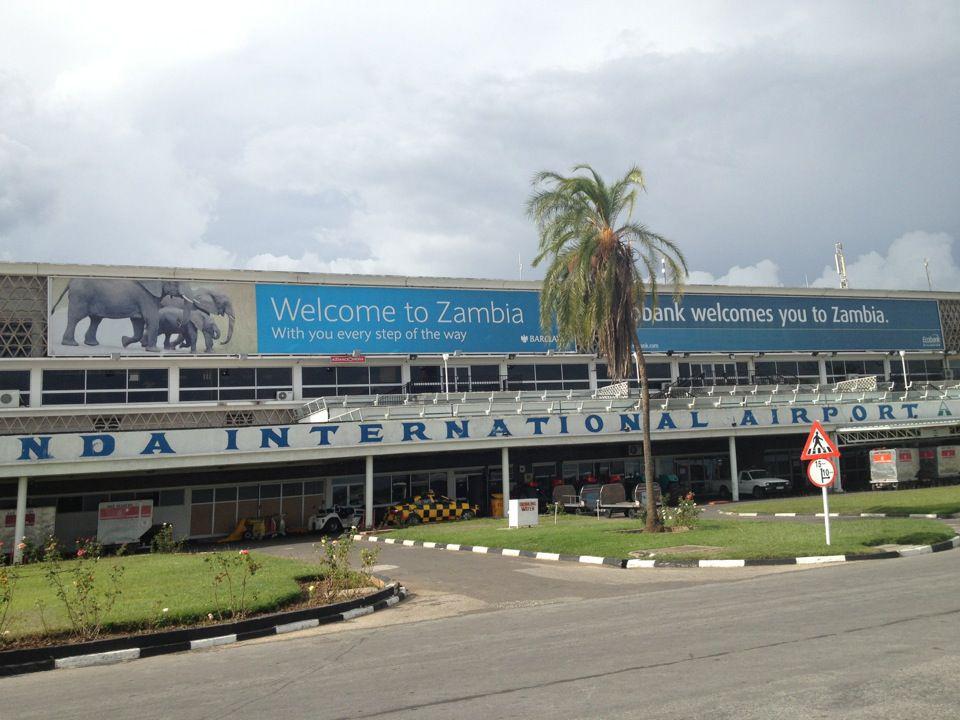
Zambia ranks eighth in Africa with 120 airports and airfields, a network that supports both major commercial operations and regional connectivity. Kenneth Kaunda International Airport in Lusaka serves as the main international gateway, handling the majority of passenger traffic and linking the country to regional and global destinations.
In addition to this hub, numerous smaller airstrips provide access to rural communities, safari lodges, and mining areas. Many are short, unpaved runways, allowing aircraft to reach locations that are otherwise difficult to access by road.
This combination of major airports and local airstrips ensures that Zambia’s aviation network supports both economic activity and tourism, making it a vital part of the country’s overall transport infrastructure.
Botswana — 122
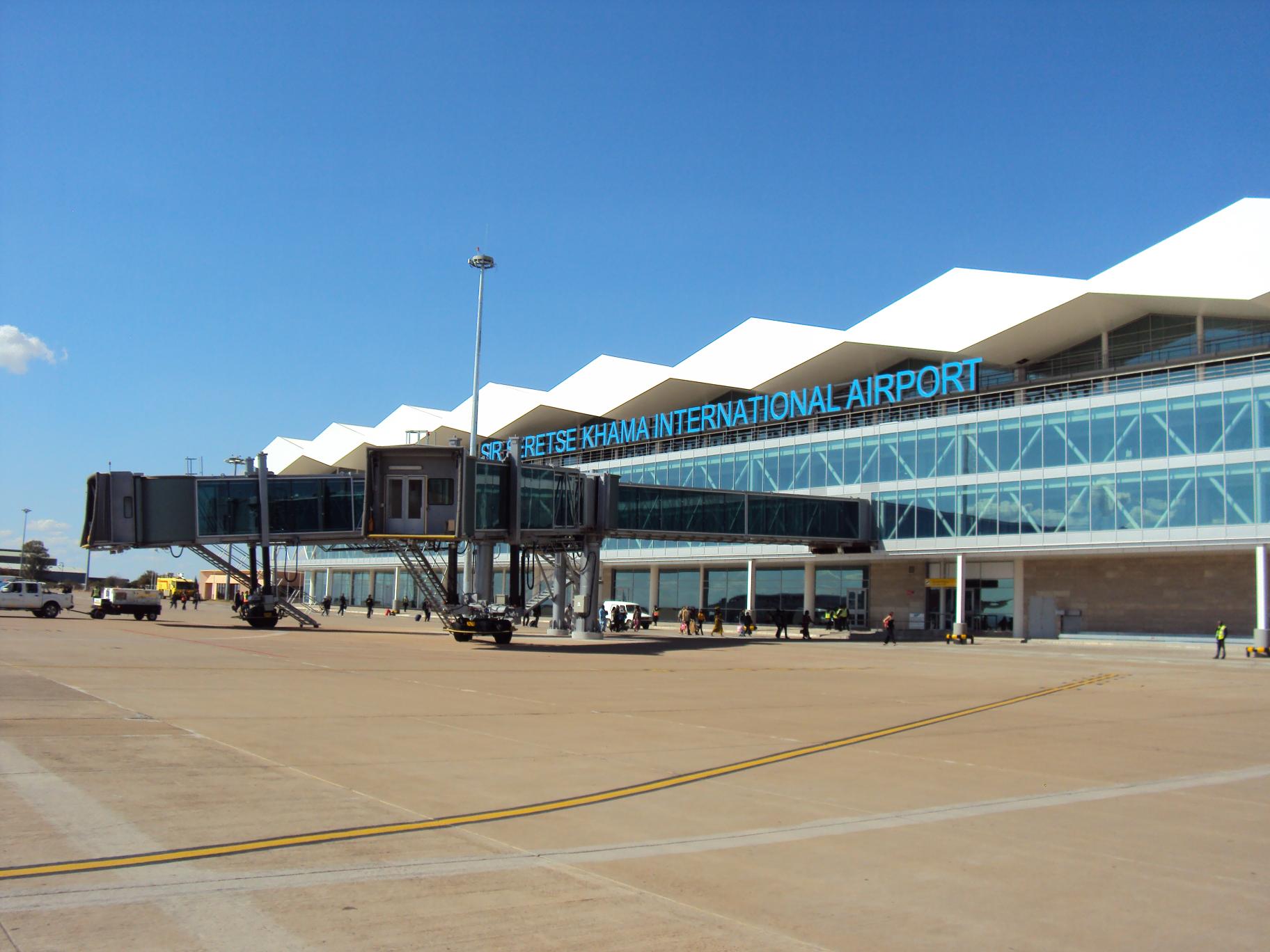
Botswana ranks seventh in Africa with 122 airports and airfields, a network shaped by its vast landscapes and thriving tourism sector. Sir Seretse Khama International Airport in Gaborone serves as the main international gateway, handling the bulk of passenger traffic and connecting the country to regional and global destinations.
Beyond this hub, numerous small airstrips link remote communities and safari concessions across the country. Many also support conservation and tourism activities, as well as private charter flights, allowing aircraft to reach areas that are otherwise difficult to access by road.
Together, these facilities provide essential connectivity and support for Botswana’s tourism, conservation, and regional transport needs, making aviation a critical part of the country’s infrastructure and economy.
Zimbabwe — 144
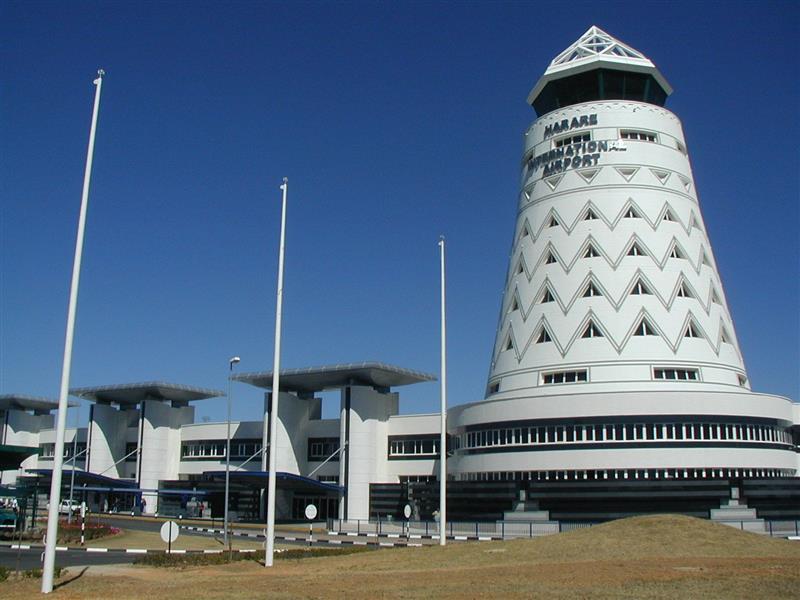
Zimbabwe ranks sixth in Africa with 144 airports and airfields, a network shaped by its historical infrastructure and diverse geography. Robert Gabriel Mugabe International Airport in Harare serves as the main international gateway, while Victoria Falls Airport and Joshua Mqabuko Nkomo International Airport in Bulawayo handle regional and domestic traffic.
Beyond these major hubs, a mix of smaller airstrips and private fields connects rural communities and supports tourism. Many airstrips provide access to national parks such as Hwange and Mana Pools, as well as lodges near Victoria Falls, reducing travel times across the country’s road network.
These facilities also support private aviation and charter services, ensuring that both business and leisure travellers can reach remote destinations efficiently.
Tanzania — 206
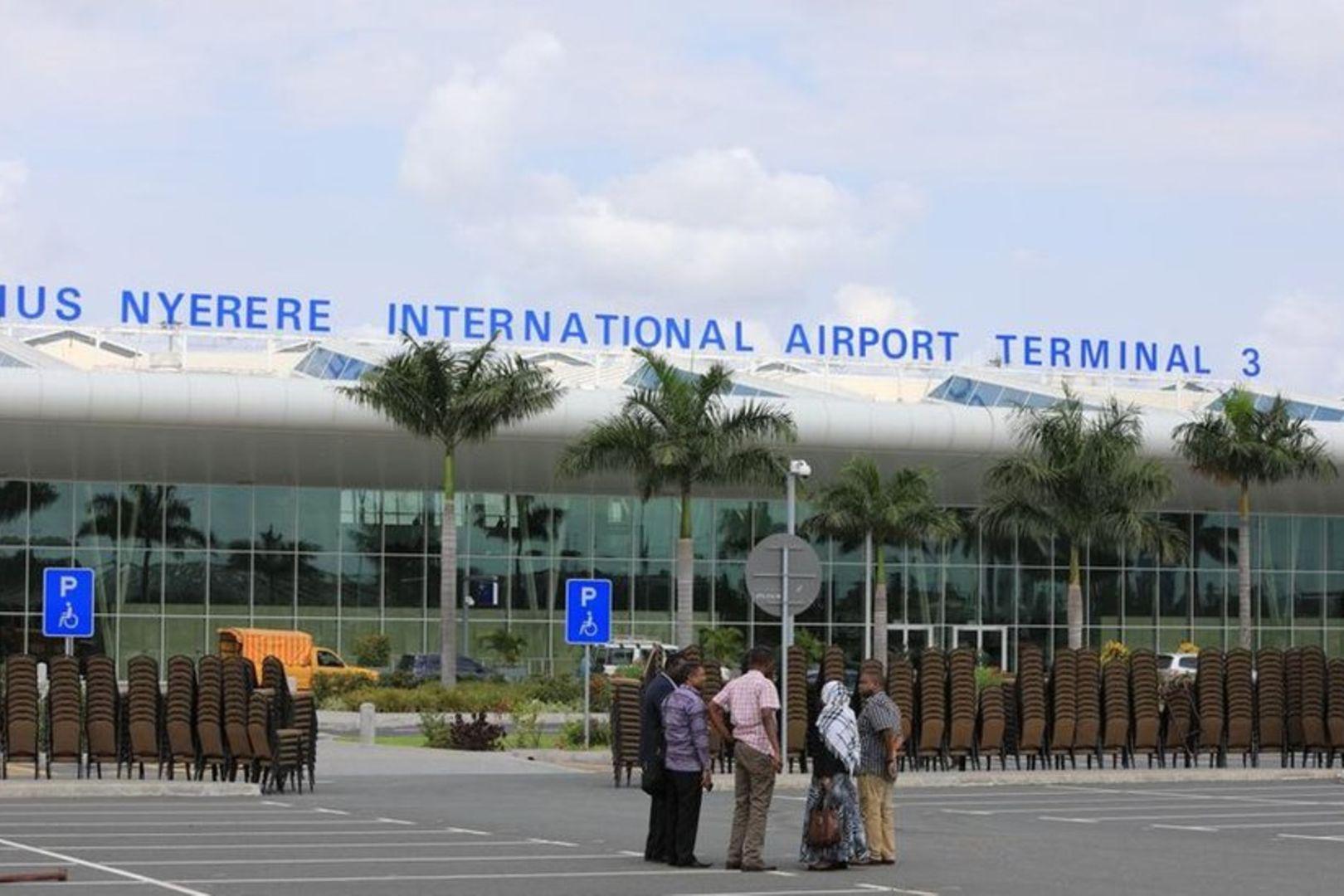
Tanzania ranks fifth in Africa with 206 airports and airfields, a network shaped largely by tourism and its geography.
Julius Nyerere International Airport in Dar es Salaam and Kilimanjaro International Airport serve as the main international gateways, while Zanzibar Airport handles a strong flow of leisure travellers to the islands.
In addition, numerous safari airstrips provide direct access to Serengeti, Ngorongoro, Selous and other key destinations, making aviation central to the country’s tourism sector.
Beyond these hubs, regional airports such as Mwanza, Arusha and Dodoma support domestic travel and cargo transport across the mainland. Smaller airstrips also facilitate the movement of goods and supply for agriculture and trade, as well as private aviation, ensuring connectivity to remote areas that are difficult to reach by road.
Namibia — 259
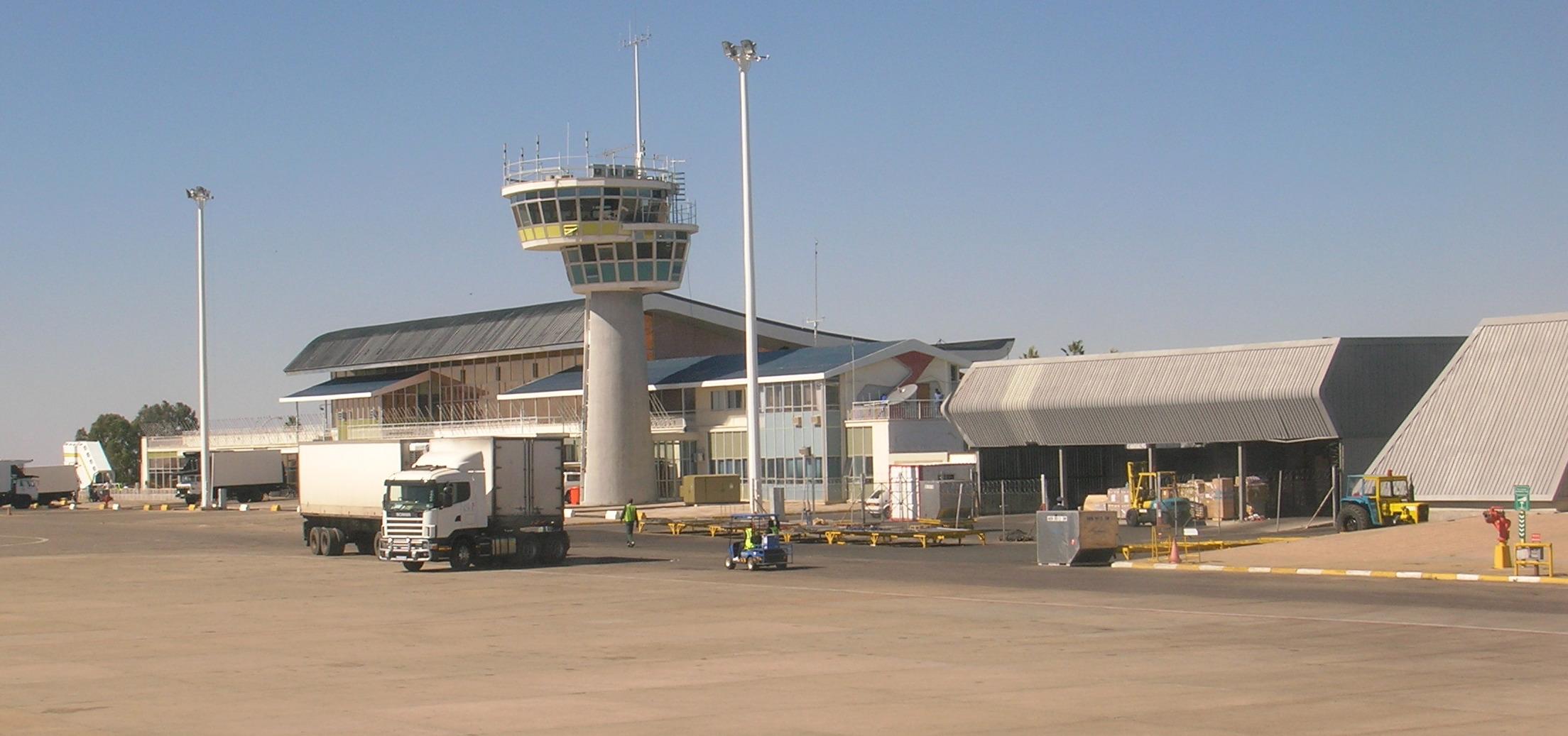
Namibia ranks fourth in Africa with 259 airports and airfields, shaped by its vast geography and the need to connect distant regions. The country’s main hub is Hosea Kutako International Airport (HKIA) near Windhoek.
According to the High Economic Intelligence report, HKIA recorded approximately 246,721 passenger movements between June 2024 and July 2025, underlining its role as the country’s dominant gateway. The rest of Namibia’s air passenger traffic is distributed among Walvis Bay, Eros, Andimba Toivo Ya Toivo and Lüderitz airports.
Beyond these hubs, Namibia’s large network of airstrips is vital for connecting remote towns, mining operations and tourist destinations scattered across the Namib Desert and Etosha National Park. Small runways allow travellers to reach safari lodges and conservation areas directly, reducing the need for long road journeys across the country’s wide expanses.
Many of these facilities also support tourism and wildlife protection. Charter operators and private aviation companies use them to reach national parks and community-run lodges, helping tourism generate income while preserving Namibia’s natural landscapes. This makes aviation an important link between the country’s economy and its environment.
Democratic Republic of Congo — 273
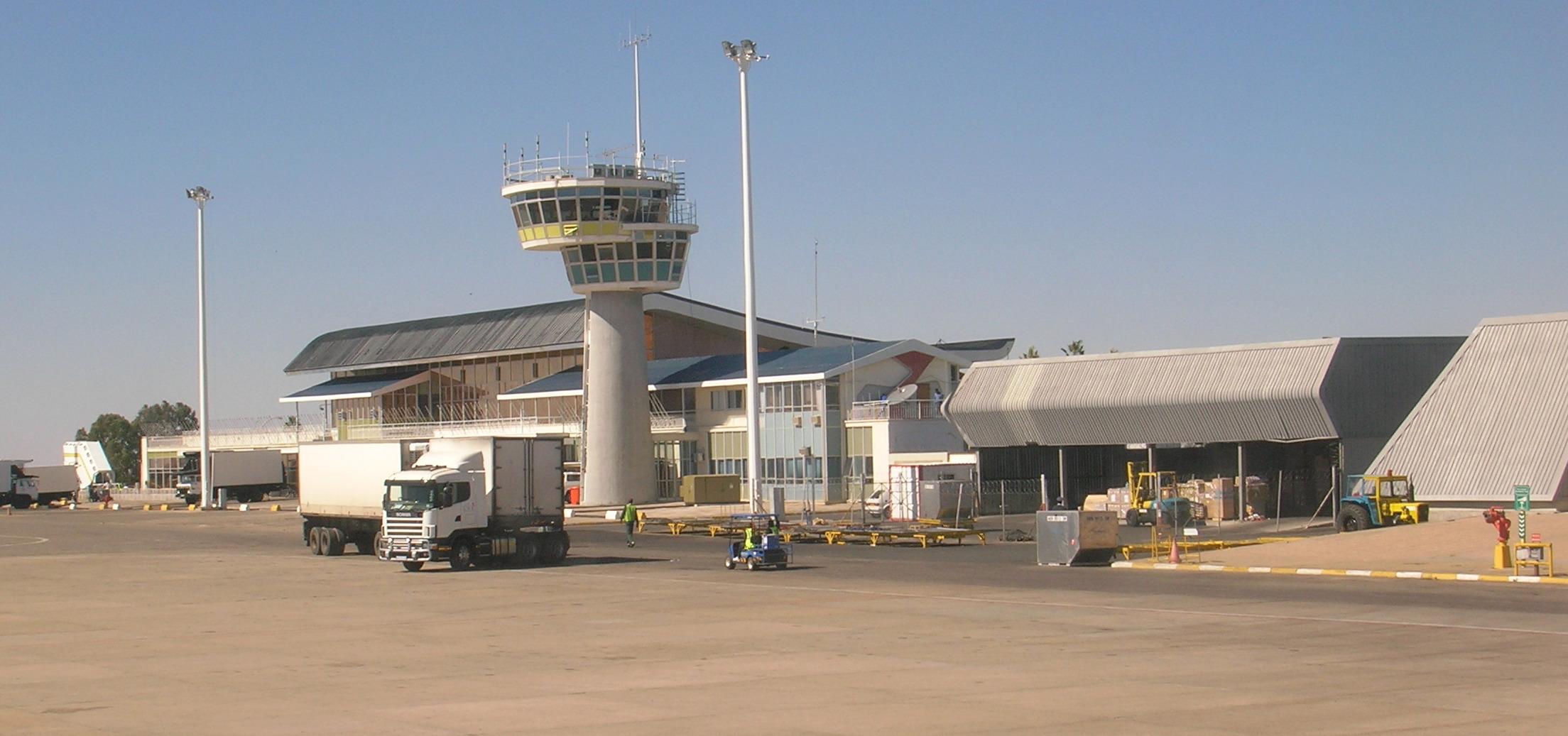
The Democratic Republic of Congo holds the third position in Africa with 273 airports and airfields, a figure driven by its vast size and difficult terrain. N’djili International Airport in Kinshasa and Goma International are the country’s busiest gateways, connecting it to regional and international routes.
Beyond these hubs, hundreds of smaller airstrips provide critical access to towns and mining communities across remote provinces, where road and rail infrastructure is limited. Many of these facilities support the transport of minerals, supplies and workers, making aviation indispensable to the DRC’s economy and internal connectivity.
The spread of airstrips also reflects the country’s reliance on aviation for regional integration. With the Congo River and dense forests creating natural barriers, aircraft often remain the most practical link between provinces. This has led to a patchwork of airfields maintained by local authorities, private operators and mining companies, each playing a role in keeping the vast nation connected.
Kenya — 368
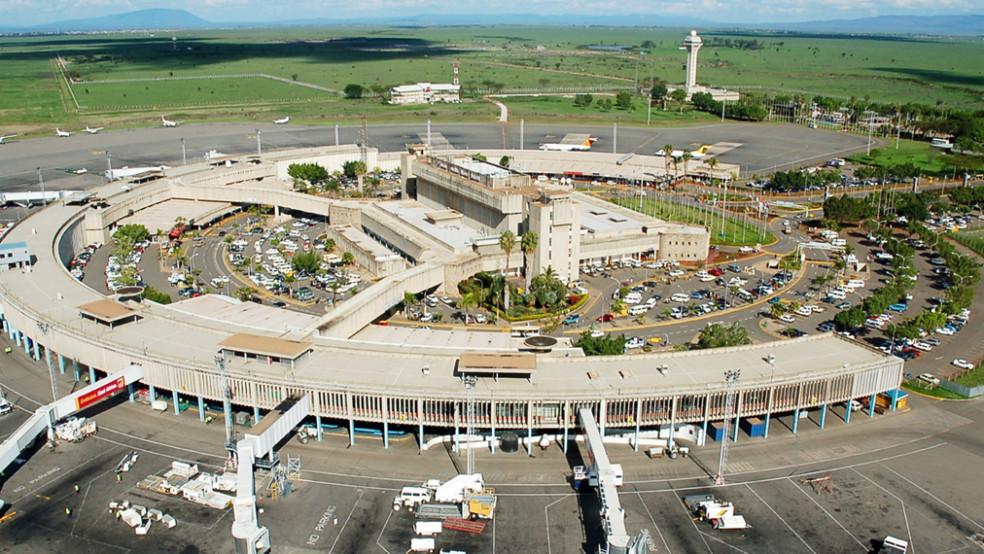
Kenya holds the second position in Africa with 368 airports and airfields. Jomo Kenyatta International in Nairobi is the country’s main gateway, supported by Moi International in Mombasa, Kisumu International, Eldoret International and Wilson Airport, which is a major hub for domestic charters. Together, these airports serve most of Kenya’s international and local traffic.
Beyond the main hubs, a wide network of airstrips plays an equally important role. Safari lodges in Maasai Mara, Amboseli and Samburu depend on small runways to move tourists directly to the parks, while other strips support humanitarian aid, medical evacuations, agriculture and mining operations.
The Kenyan Defence Forces also make use of some facilities, and flying schools and clubs add to the network.
South Africa — 573

South Africa tops Africa with 573 airports and airfields, reflecting its long aviation history and diverse geography. Its main hubs are OR Tambo International in Johannesburg, Cape Town International, and King Shaka in Durban, which together handle millions of passengers annually.
OR Tambo alone recorded more than 17.8 million passengers in the fiscal year April–March 2024 and over 204,000 aircraft movements in the same period, according to OAG’s Global Airline Schedules.
Beyond the main gateways, hundreds of smaller airstrips sustain vital activities such as mining in the Northern Cape, safari tourism around Kruger National Park, and private charters across the country. Many other airports cater specifically to domestic travel, connecting regional cities and towns. The high count also reflects South Africa’s vibrant general aviation sector, including flying clubs, agricultural strips, and municipal aerodromes scattered nationwide.
 Follow Us on Google Discover

That is awesome
Warning: Undefined variable $post_id in /var/www/nairametrics/wp-content/themes/nairametrics/comments.php on line 134
Warning: Undefined variable $post_id in /var/www/nairametrics/wp-content/themes/nairametrics/comments.php on line 134