
 Follow Us on Google Discover
Deprecated: mb_convert_encoding(): Handling HTML entities via mbstring is deprecated; use htmlspecialchars, htmlentities, or mb_encode_numericentity/mb_decode_numericentity instead in /var/www/nairametrics/wp-content/themes/nairametrics/functions.php on line 104
Africa’s fintech sector continued to show resilience in the first half of 2025, attracting big-ticket deals despite tighter global funding conditions.
From mobile money giants to API-powered payment innovators, the continent’s top fintech players pulled in hundreds of millions of dollars to expand operations, diversify products, and drive financial inclusion.
According to data compiled by Nairametrics Research, 80 African fintech startups raised over $661 million between January and June 2025.
Ten of these did not disclose the amounts raised.
Other News
The top 10 fintech fundraisers alone accounted for more than $470 million, up from $431 million in the same period last year.
Senegal, Egypt, South Africa, Nigeria, and Ghana dominated the leaderboard, while the “Big Four” of Kenya, Nigeria, Egypt, and South Africa maintained their multi-year grip on the continent’s fintech capital flows, jointly securing 69.19% of total funding.
West Africa emerged as the top-performing region, pulling in $298.5 million (45.1% of total fintech funding). This was driven largely by Senegal’s record-breaking $137 million debt deal and Nigeria’s $112 million haul—more than double its H1 2024 figure.
North Africa followed with $230.8 million, anchored by Egypt’s $223 million total. Southern Africa, driven entirely by South Africa, secured $98.8 million, while East Africa brought in $23.8 million, with Kenya contributing the lion’s share at $23.3 million.
Top 10 Fintech startup fundraisers as of H1 2025
Khazna (Egypt) – $16 million (Pre-Series B)
Egypt’s Khazna kicked off February with a $16 million Pre-Series B raise, bringing its total funding to over $63 million. Backed by Quona Capital, Speedinvest, Aljazira Capital, Anb Capital, Disruptech Ventures, ICU Ventures, Khwarizmi Ventures, and SANAD Fund for MSME, the fintech plans to use the cash to scale domestically and enter Saudi Arabia.
Launched in 2020 as an earned wage access platform, Khazna has evolved into a multi-product super app serving Egypt’s underbanked. With over 500,000 active users, break-even profitability, and a strong payroll lending base, the startup is now eyeing regional dominance in inclusive finance.
Djamo (Côte d’Ivoire) – $17 million (Venture Round)
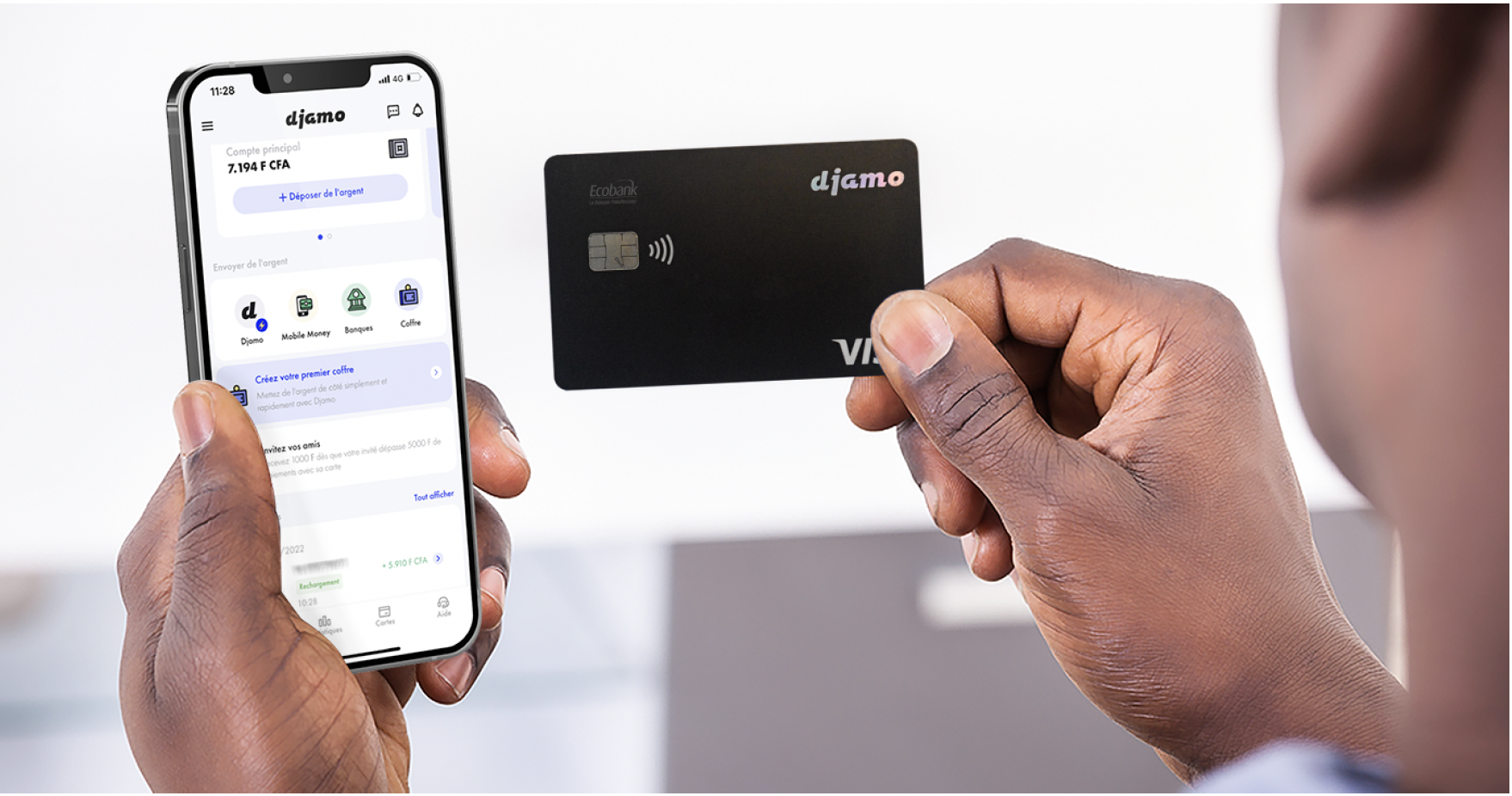
Abidjan-based Djamo made history for Côte d’Ivoire, closing the country’s largest-ever venture funding round at $17 million in April 2025. Led by Janngo Capital, with support from SANAD Fund, Partech Africa, Oikocredit, Enza Capital, and Y Combinator, the raise will accelerate Djamo’s expansion across Francophone Africa.
Built to bridge the gap between mobile money and formal banking, Djamo has processed over $4.5 billion in transactions since launch and grown revenue nearly fivefold since 2022. The company now plans to launch credit and savings products—paving the way to become a full-scale digital bank for underserved French-speaking markets.
Zeepay (Ghana) – $18 million (Debt)
Ghana’s Zeepay raised $18 million in debt financing from Verdant Capital to strengthen its cross-border remittance infrastructure. Founded in 2014, Zeepay operates in over 20 countries and processed transactions worth $3 billion in 2023.
The funding will deepen its IMTO partnerships, expand mobile money services, and accelerate entry into Caribbean markets. With over $30 million raised to date, Zeepay remains a central player in Africa’s $100+ billion remittance market.
Qardy (Egypt) – $23 million (M&A)
In a landmark move, Qardy was acquired by Catalyst Partners Middle East through Egypt’s first-ever SPAC deal—valued at $23.15 million. Founded in 2022, Qardy connects SMEs with financing options including loans, factoring, and leasing.
The acquisition allows Qardy to list publicly without a traditional IPO, giving it access to capital and strategic backing to scale nationwide and potentially expand into the wider MENA region.
ValU (Egypt) – $27 million (Venture Round)
BNPL leader ValU secured $27 million from Saudi Investment Bank and Sanabil Investments. The deal coincided with ValU’s listing on the Egyptian Exchange, where Amazon converted its earlier EFG Holding investment into a direct 3.95% stake.
Operating through over 8,500 merchant partners, ValU offers installment plans of up to 60 months and has become one of the most recognized consumer finance brands in Egypt.
MNT-Halan (Egypt) – $50 million (Bonds)

Egypt’s largest fintech, MNT-Halan, issued EGP 2.5 billion ($50 million) in corporate bonds—Egypt’s biggest such deal in 2025. Backed by a BBB+ MERIS credit rating, the funds will bolster lending operations.
With 5 million users and a diverse product suite spanning lending, payments, and logistics, MNT-Halan stands as one of Africa’s few tech unicorns to blend venture growth with public market discipline.
LemFi (Nigeria) – $53 million (Series B)

Cross-border payments startup LemFi raised $53 million in a Series B round led by Highland Europe, with Y Combinator among the backers. Founded in 2021 by former OPay executives Ridwan Olalere and Rian Cochran, LemFi serves over 1 million users across 27 markets.
The company aims to make remittances faster, cheaper, and more accessible—especially for diaspora communities facing high transfer costs.
Stitch (South Africa) – $55 million (Series B)

API payments provider Stitch closed a $55 million Series B led by QED Investors, with participation from Flourish Ventures, Glynn Capital, Norrsken22, Ribbit Capital, PayPal Ventures, Firstminute Capital, and Raba Partnership, bringing its total funding to $107 million. The platform powers enterprise-grade payment solutions for major retailers, telcos, and e-commerce businesses.
The capital will be used to scale its payment infrastructure and cement Stitch’s role as a leading enabler of digital transactions in Africa.
Bokra (Egypt) – $58.9 million (Debt)
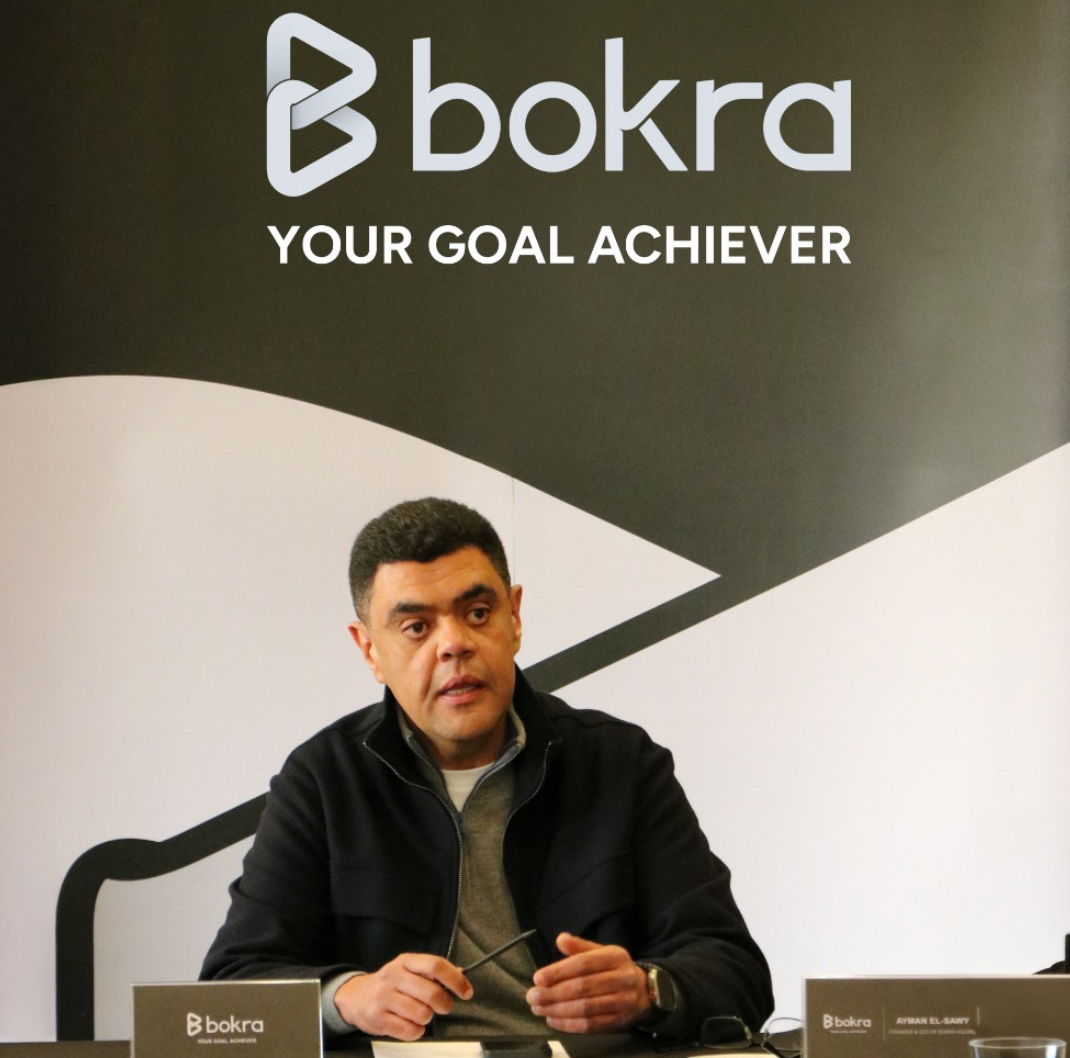
Bokra, a fast-growing Egyptian fintech startup, secured $58.9 million in debt financing from Aman Holding, a major financial services group in Egypt. This funding round is one of the largest debt deals in Egypt’s fintech sector in 2025, signaling strong investor confidence in Bokra’s business model and growth trajectory.
Founded in 2022, Bokra operates as a wealth management and investment platform tailored for Egypt’s growing middle class. Its mission is to democratize investing by providing easy access to financial planning tools, bridging the gap for millions who are keen on wealth creation but face barriers to entry into traditional markets.
Aman Holding, a subsidiary of Raya Holding, has a track record in financial inclusion and digital transformation. Its investment in Bokra aligns with its broader strategy to back fintech solutions targeting underserved segments and expand access to consumer finance products.
The raise underscores the growing demand for digital wealth management solutions in the MENA region.
Wave Mobile Money (Senegal) – $137 million (Debt)

Senegal’s Wave Mobile Money emerged as the top-funded African fintech in H1 2025, securing a hefty $137 million debt round—a clear vote of confidence in mobile money’s growth prospects across Francophone Africa. The raise was backed by Rand Merchant Bank (RMB), British International Investment (BII)—formerly CDC Group—and Partech Africa.
Wave, already a household name in Senegal, Côte d’Ivoire, and Burkina Faso, is pushing into new West African markets, cementing its status as the region’s first unicorn. The company previously raised $200 million in its landmark 2021 Series A round.
With over 10 million users across West Africa, Wave’s low-cost mobile money service is redefining financial inclusion in Francophone markets. The fresh funding will fuel expansion into new territories and scale agent networks across the region.
What you should know
The Fintech startup deals in H1 2025 reaffirmed its position as Africa’s most bankable startup sector. While Egypt dominated deal count and value, Senegal’s Wave proved that single-country plays can still deliver continent-leading raises.
With debt financing playing a bigger role this year, the market is signaling a maturing fintech ecosystem—where profitability and scale matter just as much as growth stories.
 Follow Us on Google Discover

Warning: Undefined variable $post_id in /var/www/nairametrics/wp-content/themes/nairametrics/comments.php on line 134
Warning: Undefined variable $post_id in /var/www/nairametrics/wp-content/themes/nairametrics/comments.php on line 134