
 Follow Us on Google Discover
Deprecated: mb_convert_encoding(): Handling HTML entities via mbstring is deprecated; use htmlspecialchars, htmlentities, or mb_encode_numericentity/mb_decode_numericentity instead in /var/www/nairametrics/wp-content/themes/nairametrics/functions.php on line 104
As digital finance sweeps across the globe, Africa is not being left behind.
Currently, African countries are actively researching, piloting, or rolling out Central Bank Digital Currencies (CBDCs), a testament to the continent’s growing commitment to fintech innovation and financial inclusion.
CBDCs are government-issued digital versions of national currencies, secured, traceable, and issued directly by central banks. Unlike cryptocurrencies, they are legal tender and function alongside traditional cash.
As African central banks explore this next frontier, they aim to close financial inclusion gaps, streamline cross-border payments, and modernize monetary systems.
Other News
But rolling out a CBDC in Africa isn’t just about tech; it’s about navigating fragmented infrastructure, regulatory complexity, and diverse digital literacy levels.
Below is a rundown of ten African countries making major strides in digital currency exploration as of 2025.
Nigeria – Pioneer With Room to Grow

Nigeria became the first African country to launch a CBDC with the eNaira in October 2021, just after the Bahamas’ Sand Dollar. Issued by the Central Bank of Nigeria (CBN), the eNaira was developed to promote financial inclusion, reduce cash dependency, and improve monetary policy efficiency.
Despite its early lead, the eNaira has struggled with adoption. An IMF report noted that only 1.5% of e-wallets were active one year following their launch, highlighting trust issues, user experience gaps, and limited merchant acceptance.
CBN Governor Olayemi Cardoso has since pledged to reassess the eNaira rollout under the Payment System Vision 2025, aiming to retool its strategy for broader economic impact.
Ghana – Ready for eCedi Rollout

After two years of planning and piloting, Ghana’s eCedi is slated for public rollout by the end of 2025. The Bank of Ghana is focused on offline payment access to ensure that rural and underbanked communities benefit.
Using technologies such as near-field communication (NFC) and point-of-sale integrations, the eCedi aims to reach users without smartphones or reliable internet, positioning itself as an inclusive digital solution.
“The introduction will be linked to the completion of necessary commercials. It will be done as the economic environment is right and stabilizing. The pilot was a success”, First Deputy Governor of the Bank of Ghana (BoG), Dr. Maxwell Opoku-Afari, said.
South Africa – Advancing With Project Khokha
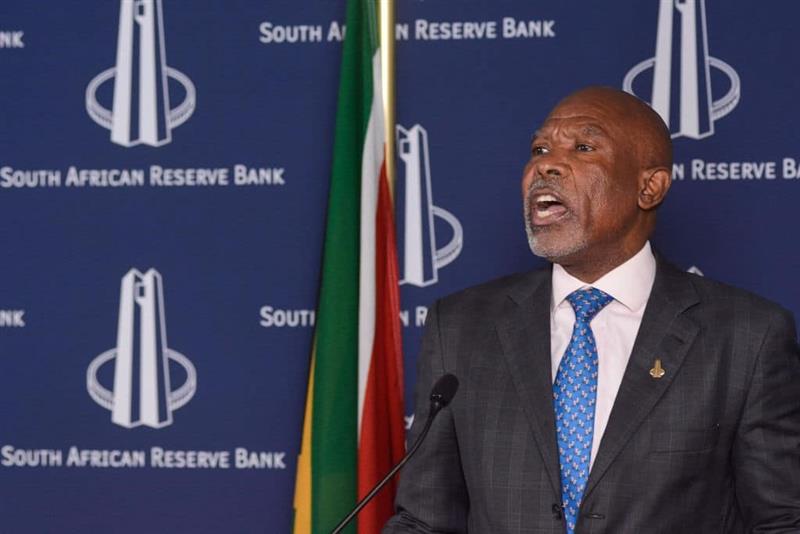
The South African Reserve Bank (SARB) is testing both retail and wholesale models through Project Khokha. While its wholesale pilot focuses on interbank settlements via blockchain, the retail pilot explores how a digital rand can reduce transaction costs and enhance cross-border payments.
SARB’s multi-phase experimentation is lauded for its maturity and for tackling South Africa’s systemic issues like access inequality and transaction delays.
“A secure and verified digital identity for consumers will also decrease the risks of fraud and make the financial system safer and more resilient,” said Lesetja Kganyago, Governor of the South African Reserve Bank.
Kenya – Evaluating Opportunities in a Mobile-Money Powerhouse
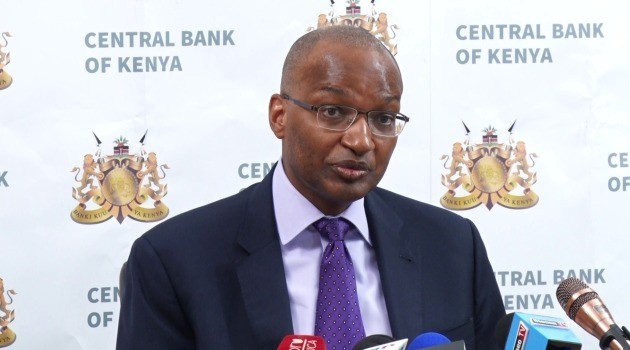
Known globally for M-Pesa, Kenya is exploring whether a CBDC can enhance or disrupt its well-established digital finance ecosystem.
In a consultation paper, the Central Bank of Kenya (CBK) highlighted both opportunities and risks, including cybersecurity, disintermediation of banks, and financial exclusion. The government is consulting stakeholders to determine whether a digital Kenyan shilling would truly add value.
Governor of the Central Bank of Kenya, Patrick Njoroge, has emphasized that a CBDC is not a “silver bullet” for financial inclusion and that addressing existing issues like cultural norms and smartphone penetration is crucial.
Uganda – Public Input Drives Policy Shaping

Uganda’s Bank of Uganda (BoU) has initiated a nationwide consultation to explore how a CBDC could align with its goals of inclusion, efficiency, and fraud resistance.
Its preliminary findings suggest that a digital shilling could help bridge gaps in underserved areas and reduce transaction costs, pending broader stakeholder alignment and legal framework readiness.
Beyond the immediate cost savings, the BoU envisions a Central Bank Digital Currency (CBDC) offering a broader range of benefits for Uganda’s financial landscape.
These potential advantages include enhanced financial inclusion by reaching underserved populations, improved payment efficiency through streamlined transactions and reduced fees, and strengthened security against counterfeiting and theft.
Rwanda – Feasibility Tested, Launch Targeted for 2026
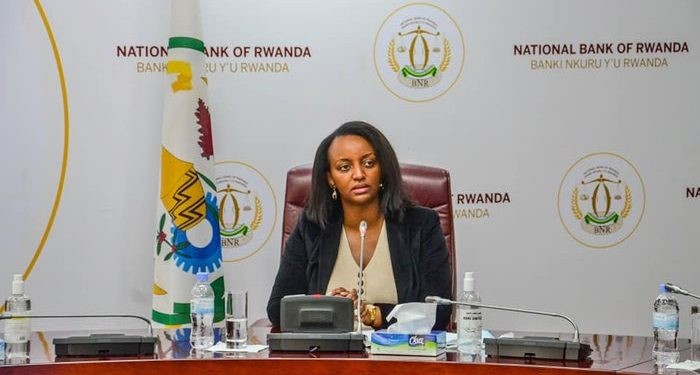
The National Bank of Rwanda completed a comprehensive feasibility study in 2024 and plans to launch a retail CBDC by 2026. The study identified four “Sweet Spot” use cases where a digital Rwandan franc would outperform other solutions.
Following public feedback, Rwanda is launching a proof-of-concept phase, including a six-month cross-border pilot to assess scalability and interoperability.
The four identified Sweet Spots for CBDC, within the Rwandan context, are: 1. To increase resilience against possible network outages, power failures and natural disasters; 2. To improve innovation and competition 3. To contribute to achieving the cashless economy national initiative over time; 4. To develop faster, cheaper, more transparent, and more inclusive cross-border remittances.
Tanzania – Taking a Phased, Risk-Based Approach

The Bank of Tanzania (BoT) is preparing a deep dive report on the implications of issuing a digital Tanzanian shilling.
This study will assess the potential impact of digital shilling on the Tanzanian financial ecosystem and explore the feasibility of its adoption.
Adopting a risk-aware strategy, BoT is evaluating legal, cybersecurity, and operational implications before committing to a full launch. The research phase reflects Tanzania’s cautious but forward-thinking approach.
Zambia – Building Research-Backed Policy Options
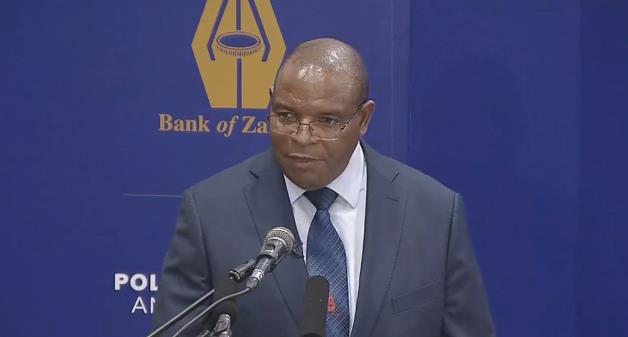
Zambia’s central bank is studying the policy and technological frameworks for implementing a CBDC. The research focuses on how a digital currency could improve inclusion, transaction traceability, and payment system integrity.
The country has yet to announce a definitive timeline but continues to engage experts and explore public-private partnerships to guide the next steps.
The BoZ has been studying the pros and cons of a CBDC and is expected to use the results of this research to inform policy decisions on whether to proceed with its introduction.
A CBDC could potentially offer benefits like increased financial inclusion, improved payment system efficiency, and greater traceability of transactions in Zambia.
Namibia – Guided by IMF, Exploring With Caution
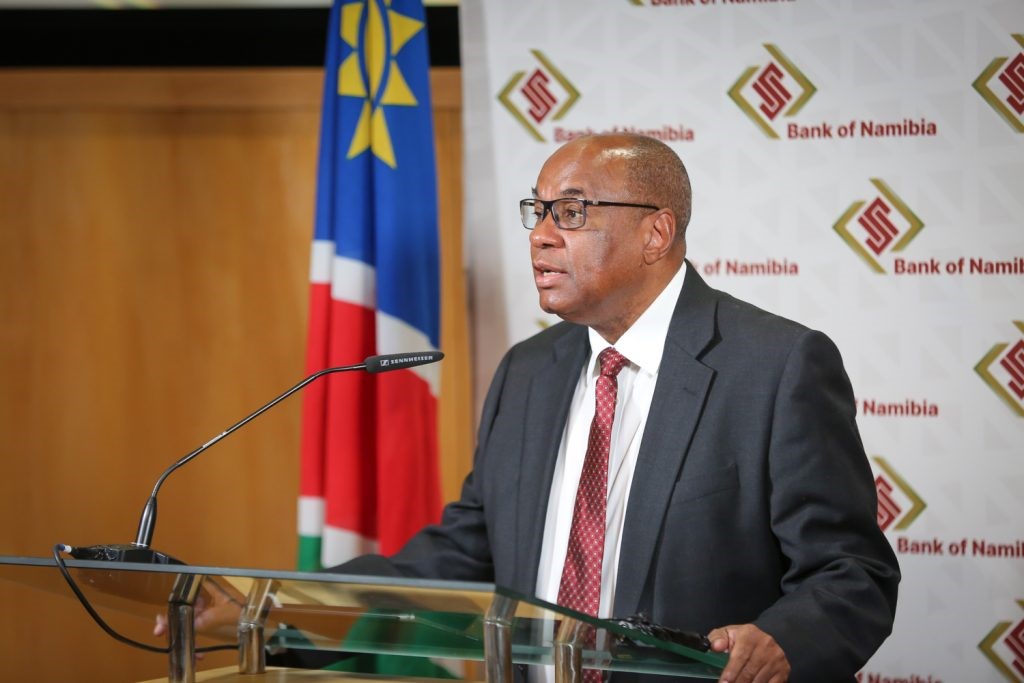
The Bank of Namibia (BoN) is working with the IMF to explore a retail CBDC, with a focus on cross-border efficiencies and underserved populations.
In early 2025, the IMF completed a mission to assess the feasibility and recommended that Namibia benchmark its plans against alternative solutions. Namibia is now building internal capacity and a regulatory roadmap.
In a report released in February 2025, IMF said its mission team conducted technical assistance (TA) from January 15 to February 1, 2024. The mission assisted the authorities in establishing the groundwork for a feasibility study of a retail central bank digital currency (rCBDC) and drafting a roadmap for the BoN’s CBDC exploration.
Zimbabwe – Deploying a Gold-Backed Digital Currency

In an innovative twist, Zimbabwe launched ZiG, a gold-backed CBDC designed to combat hyperinflation and restore trust in its monetary system.
Linked to physical gold reserves held by the Reserve Bank of Zimbabwe (RBZ), the ZiG is now a legal payment method, usable via electronic wallets and cards. A 2022 survey found 72% of Zimbabweans were open to using a CBDC, paving the way for strong uptake.
The introduction of ZiG is a response to the high levels of inflation and the widespread distrust in the Zimbabwean dollar. The Reserve Bank of Zimbabwe (RBZ) is working on the technical infrastructure to support the ZiG, including dedicated accounts for ZiG within the banking system.
Conclusion
Africa’s growing CBDC momentum reflects a blend of ambition and urgency. Governments are seeking to modernize their economies, expand inclusion, and secure financial sovereignty.
Each country’s approach varies, but the shared goal is clear: a resilient and inclusive digital financial future, made in Africa.
 Follow Us on Google Discover


Warning: Undefined variable $post_id in /var/www/nairametrics/wp-content/themes/nairametrics/comments.php on line 134
Warning: Undefined variable $post_id in /var/www/nairametrics/wp-content/themes/nairametrics/comments.php on line 134