
 Follow Us on Google Discover
Deprecated: mb_convert_encoding(): Handling HTML entities via mbstring is deprecated; use htmlspecialchars, htmlentities, or mb_encode_numericentity/mb_decode_numericentity instead in /var/www/nairametrics/wp-content/themes/nairametrics/functions.php on line 104
Africa is on the cusp of a historic population boom, one that is already reshaping its urban centers and redefining its global significance.
With a total population of 1.5 billion as of 2024, growing by 100 million every three years, the continent has become the focal point for the next wave of global innovation, business, and finance.
This article highlights the most likely hotspots for population bursts across Africa, its largest and fastest-growing cities.
Initial projections showed that by 2025, each of the top 10 cities will be home to millions, with the top cities already exceeding 4 million residents.
Other News
These urban centers are absorbing the lion’s share of the continent’s growth, signaling where infrastructure, investment, and innovation will be most urgently needed.
By 2050, Africa’s population is expected to reach 2.5 billion, with 80% of that growth concentrated in cities. Countries like Nigeria, projected to have an urban population of 250 million, and Egypt, with 147 million, will rank among the most urbanized nations globally.
Alexandria, Egypt – 5,807,050
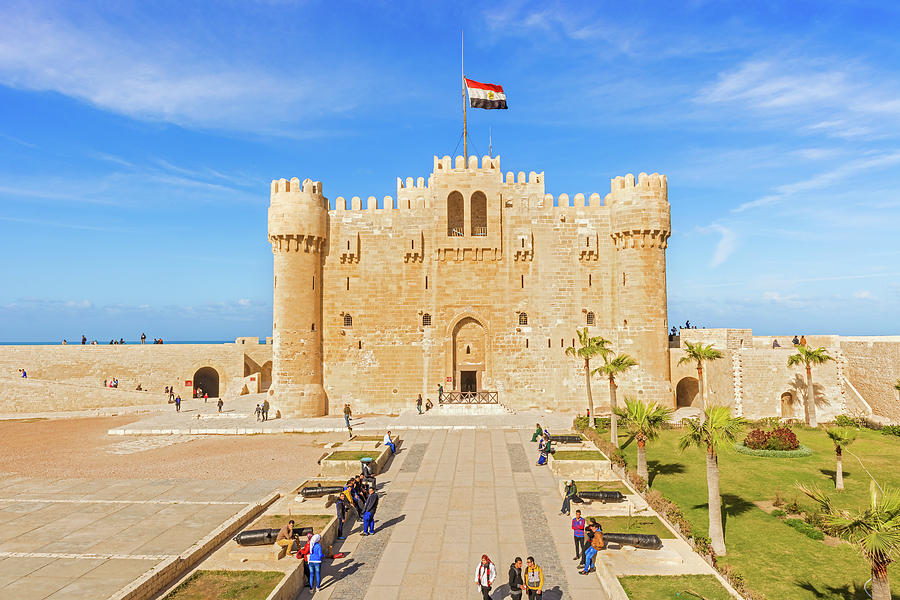
The population of Alexandria is an estimated 5,807,050 in 2025, according to newly released data from the United Nations’ World Urbanization Prospects. The figure reflects a 1.95 percent increase over the past year, with the city adding approximately 110,920 residents.
The historic Mediterranean port, once the capital of Hellenistic Egypt and a renowned center of classical scholarship, has experienced steady demographic growth since the mid-20th century. In 1950, Alexandria was home to just over one million residents (1,037,460), making its present population more than five times larger.
The current estimates represent the broader urban agglomeration, which includes not only Alexandria’s municipal boundaries but also surrounding suburban areas increasingly intertwined with the city’s economy and housing landscape.
The city of Alexandria has seen significant growth over the decades due to its essential role as an economic hub of Egypt. Its thriving port and commercial infrastructure continue to attract businesses and labor, while its reputation for a laid-back, coastal lifestyle has made it a favored destination for internal migrants.
Addis Ababa, Ethiopia – 5,956,680
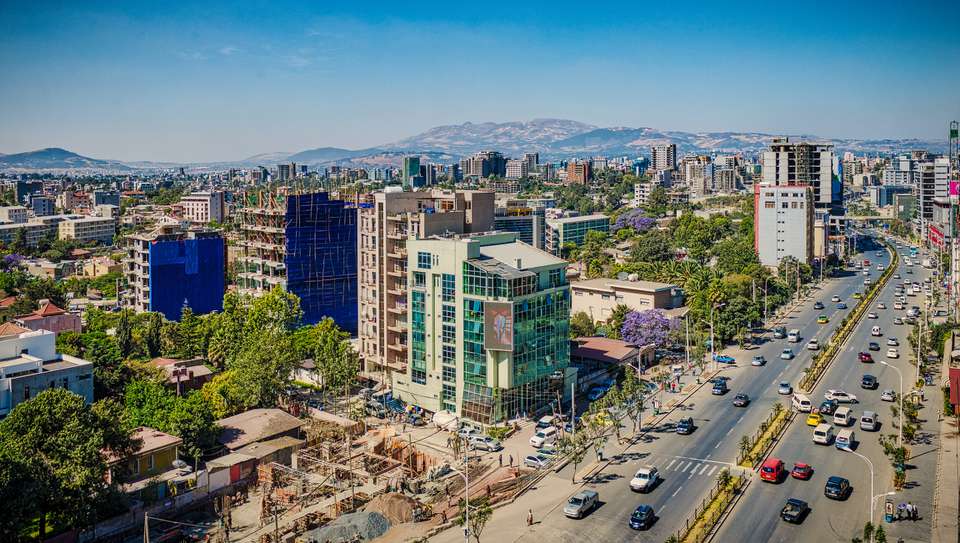
Ethiopia’s capital and largest city, Addis Ababa, has seen its population swell to an estimated 5,956,680 in 2025, according to the latest revision of the United Nations World Urbanization Prospects. The figure marks a 4.44 per cent increase over the past year, with the city adding approximately 253,050 residents.
The new estimate reflects the city’s sustained urban growth and confirms its position as one of the fastest-growing metropolitan areas in Africa. Addis Ababa’s population has expanded dramatically since 1950, when it was home to just 392,000 people.
Despite earlier census data, including the 2007 national count, which put the city’s population at roughly 3.38 million, being widely regarded as an underestimate, recent projections highlight a trajectory that brings the population closer to 6 million in under two decades.
Addis Ababa functions as both a city and a state under Ethiopia’s federal system, spanning approximately 527 square kilometers. With its current population density estimated at around 5,165 people per square kilometer, the city faces mounting challenges related to housing, infrastructure, and urban planning.
Abidjan, Ivory Coast – 6,056,880
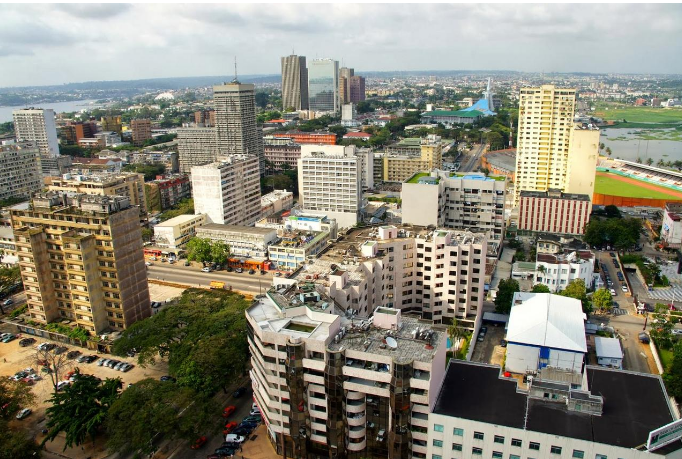
The population of Abidjan has climbed to an estimated 6,056,880 in 2025, marking a 3.24 percent increase over the past year, according to newly released figures from the United Nations’ World Urbanization Prospects. The city added approximately 190,180 residents in just 12 months, underscoring its position as one of West Africa’s fastest-growing urban centers.
Once a modest settlement with a population of just 65,000 in 1950, Abidjan has undergone a dramatic demographic transformation. The city now forms a sprawling metropolitan area that encompasses not only the core urban district but also adjacent suburban zones that have become increasingly interlinked through economic activity and infrastructure expansion.
As Côte d’Ivoire’s economic capital and largest city, Abidjan plays a central role in regional trade, finance, and cultural exchange. Its accelerating growth, while a signal of economic opportunity and urban vitality, also presents ongoing challenges in housing, transportation, and public service delivery.
Johannesburg, South Africa – 6,444,580
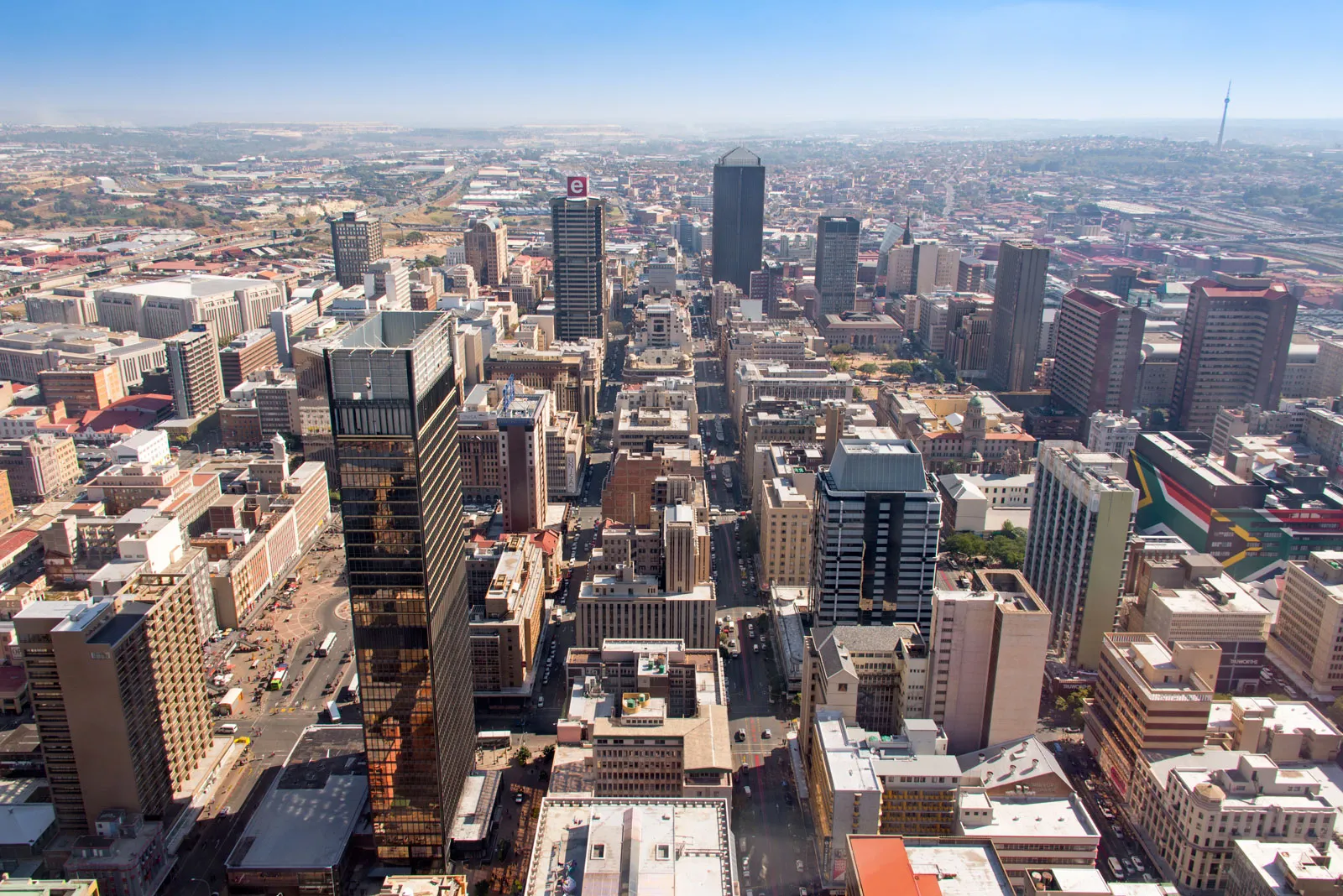
The population of Johannesburg has reached an estimated 6,444,580 in 2025, according to the latest data from the United Nations’ World Urbanization Prospects. The figure reflects a 1.9 percent increase over the past year, representing an addition of approximately 120,230 residents.
The new estimate shows the city’s continued demographic expansion, a trend that has persisted since the mid-20th century. In 1950, Johannesburg was home to just over 910,000 people. The city’s population has grown more than sevenfold in the decades since, driven by urban migration, economic opportunity, and the sprawl of suburban developments.
The report defines Johannesburg’s population as part of its broader urban agglomeration, which encompasses not only the city proper but also neighboring suburban areas that have become increasingly integrated with the metropolitan core.
As one of Africa’s most prominent economic hubs, Johannesburg’s steady population growth presents both opportunities and challenges in urban planning, infrastructure, and service delivery.
Khartoum, Sudan – 6,754,180
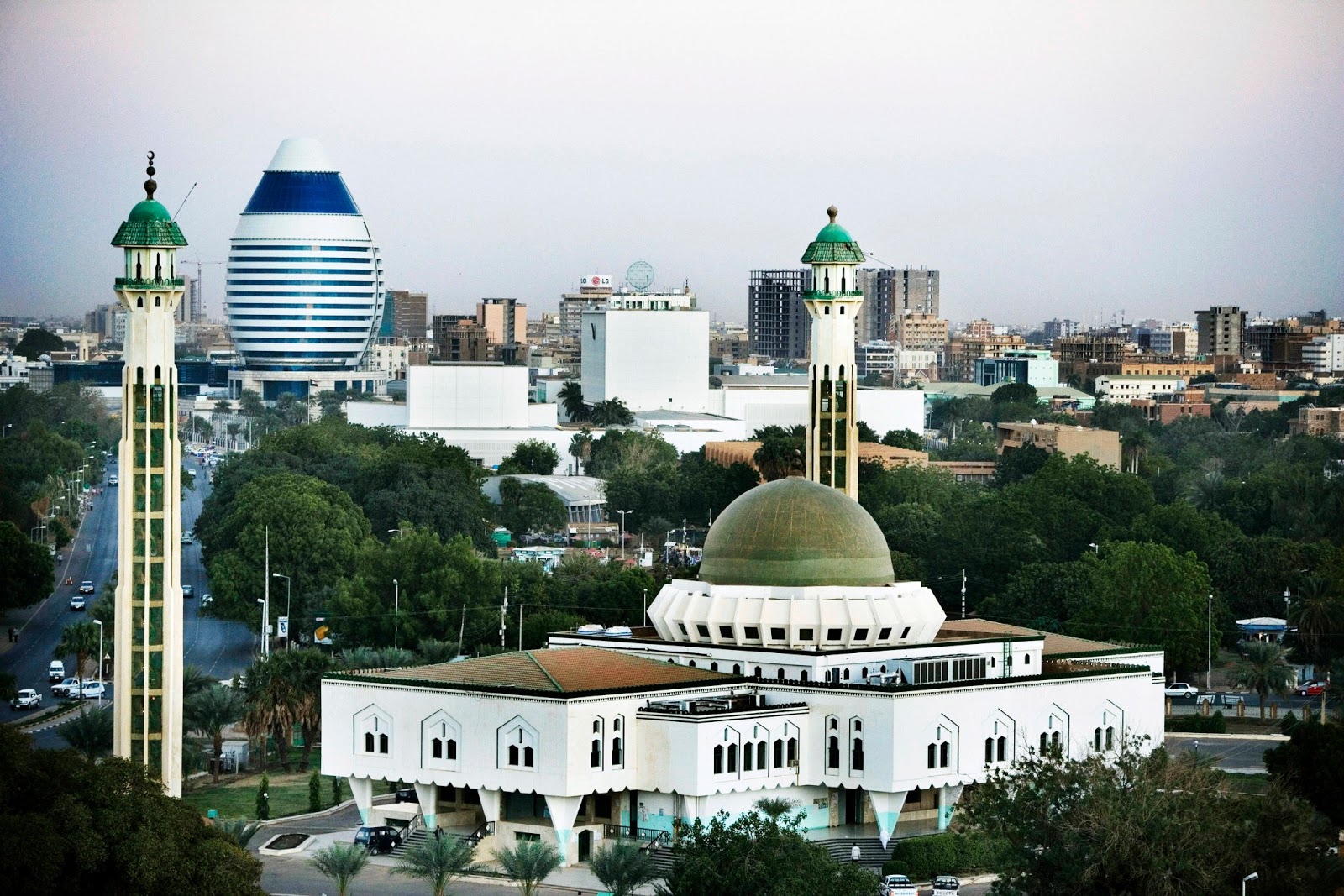
As of 2025, Khartoum’s population is estimated at 6,754,180, a remarkable increase from 182,686 in 1950. This growth reflects the city’s ongoing urban expansion and development.
Over the past year, Khartoum added 212,110 residents, representing a 3.24% annual growth rate.
These figures are drawn from the latest revision of the United Nations World Urbanization Prospects.
The estimates account for the entire urban agglomeration, encompassing Khartoum and its surrounding suburban regions.
This steady rise in population highlights the city’s growing importance and the pressures it faces in terms of infrastructure, housing, and services due to rapid urbanization.
Dar es Salaam, Tanzania – 8,561,520
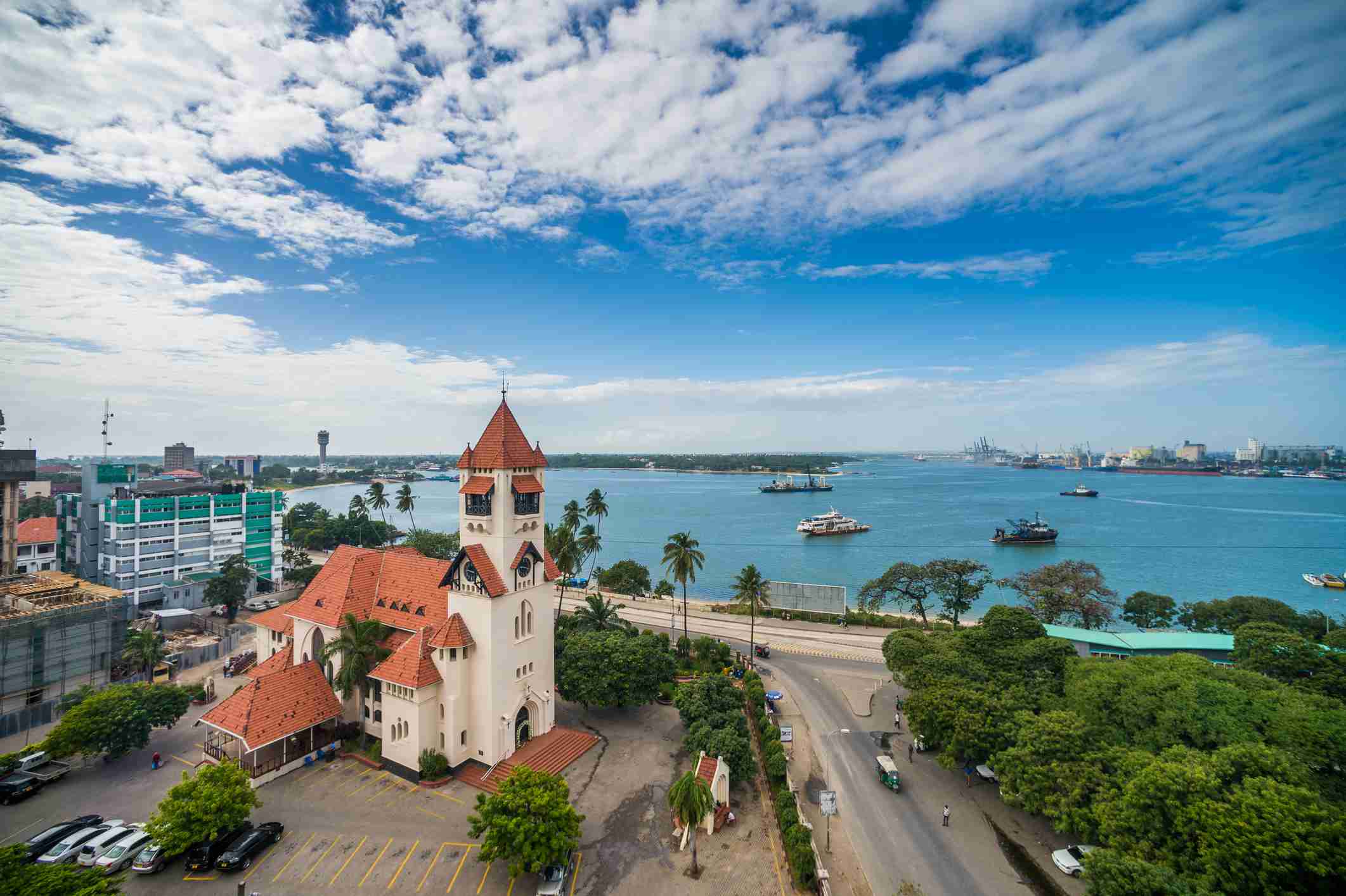
Dar es Salaam, Tanzania’s largest city and commercial capital, has a population of 8,561,520 by 2025, up from just 83,844 in 1950, according to the latest UN World Urbanization Prospects.
The city added more than 400,000 residents in the past year alone, marking a 4.9% annual growth rate. Beyond its rapid demographic expansion, Dar es Salaam serves as the country’s economic engine, contributing approximately 20% of Tanzania’s Gross Domestic Product.
Anchored by a busy port and robust sectors in manufacturing, trade, and services, the city remains central to national development, despite mounting urban infrastructure challenges.
Luanda, Angola – 10,027,900
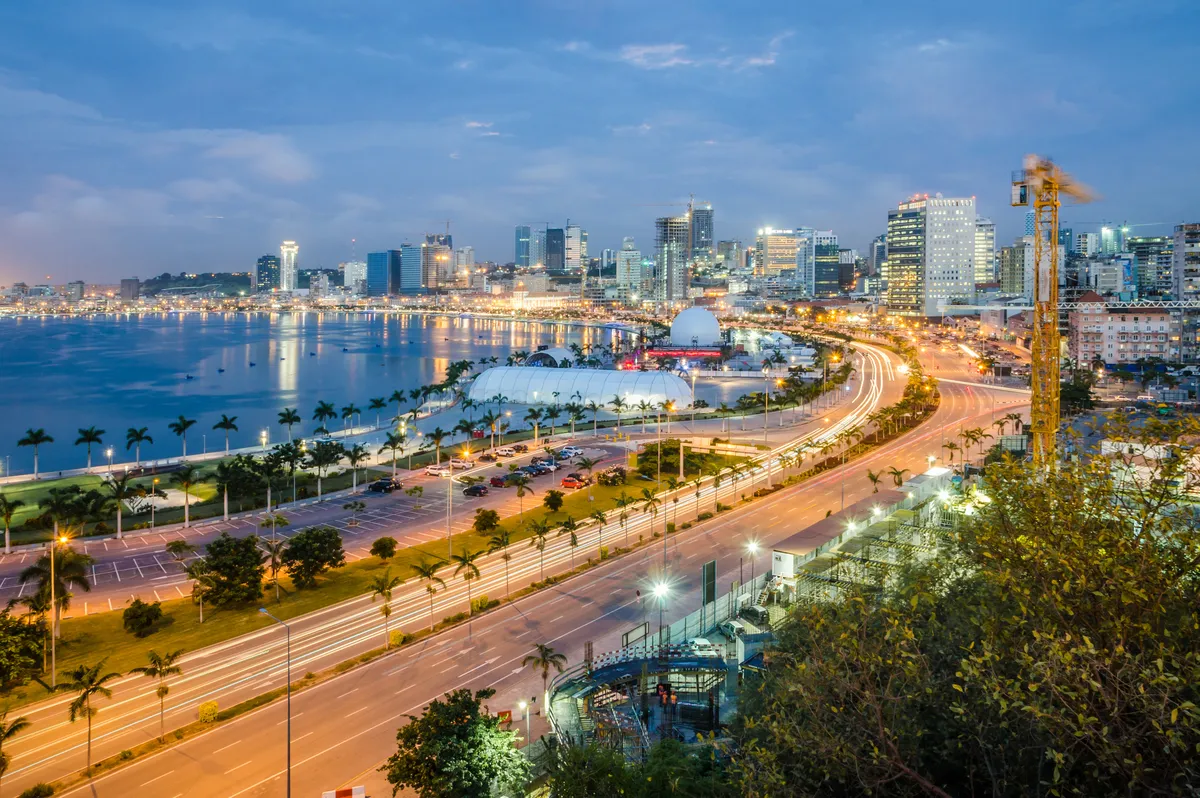
Luanda, the capital of Angola, has a population of 10,027,900 in 2025, up from just 138,413 in 1950. Over the past year, the city added approximately 376,870 residents, reflecting a 3.9% annual growth rate, according to the UN World Urbanization Prospects.
These figures include the broader urban agglomeration, encompassing surrounding suburban areas. Despite rapid urban expansion, Luanda remains one of the most expensive cities globally for expatriates.
Angola’s estimated GDP stands at US$189.5 billion in 2024, with a GDP per capita of approximately US$7,400, highlighting both the city’s economic importance and the nation’s developing economy.
Lagos, Nigeria – 17,156,400
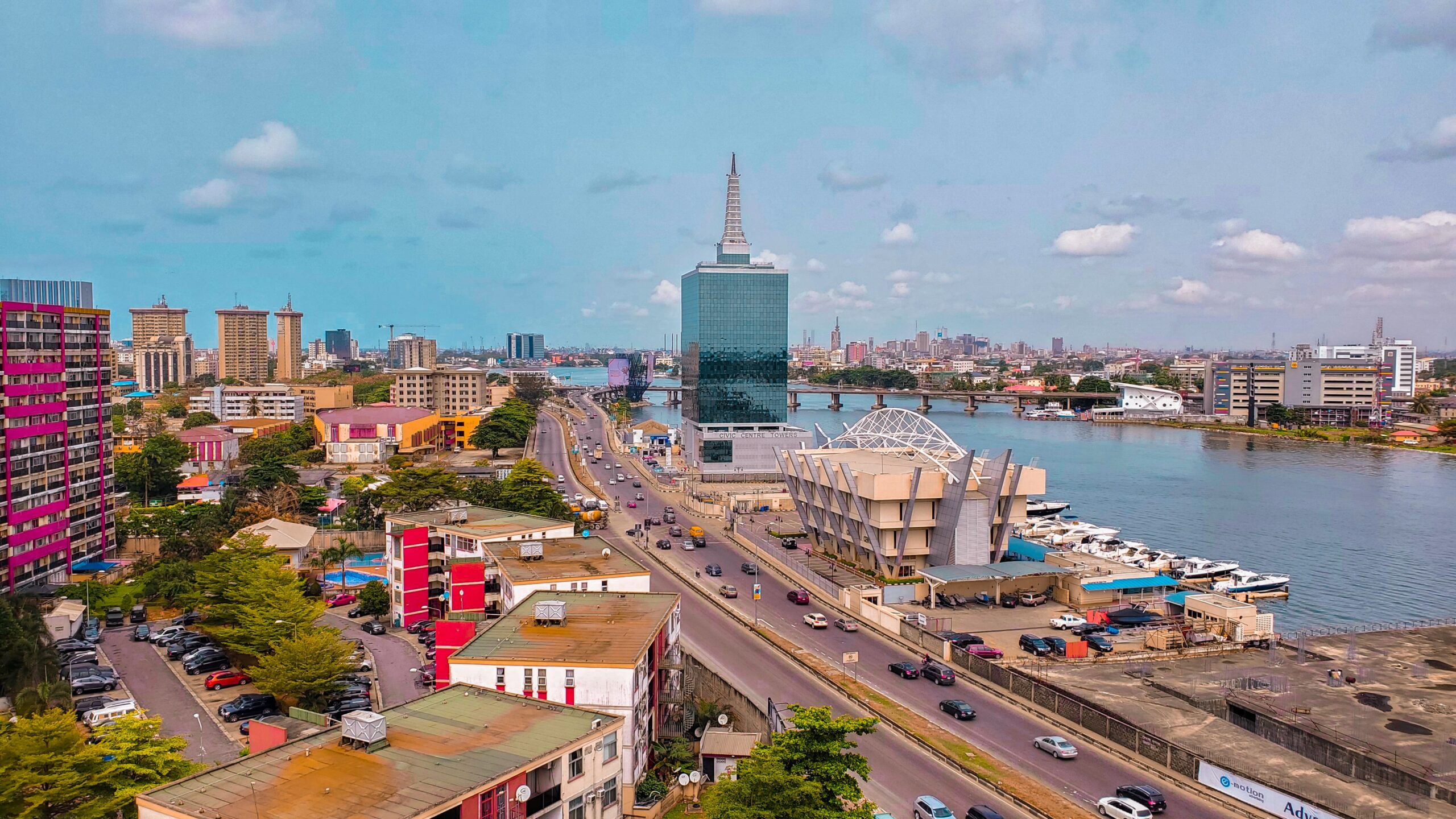
Lagos, Nigeria’s largest city, has an estimated population of 17,156,400 in 2025, a significant increase from 325,218 in 1950.
The city has grown by over 620,000 people in the past year alone, marking an annual growth rate of 3.75%, according to the latest UN World Urbanization Prospects.
This figure reflects the wider urban agglomeration, including suburban areas surrounding the city. Under Governor Babajide Sanwo-Olu, Lagos State has solidified its status as an economic hub, with a GDP of $259 billion (PPP), making it the second-largest city economy in Africa, following Cairo.
Kinshasa, DR Congo – 17,778,500
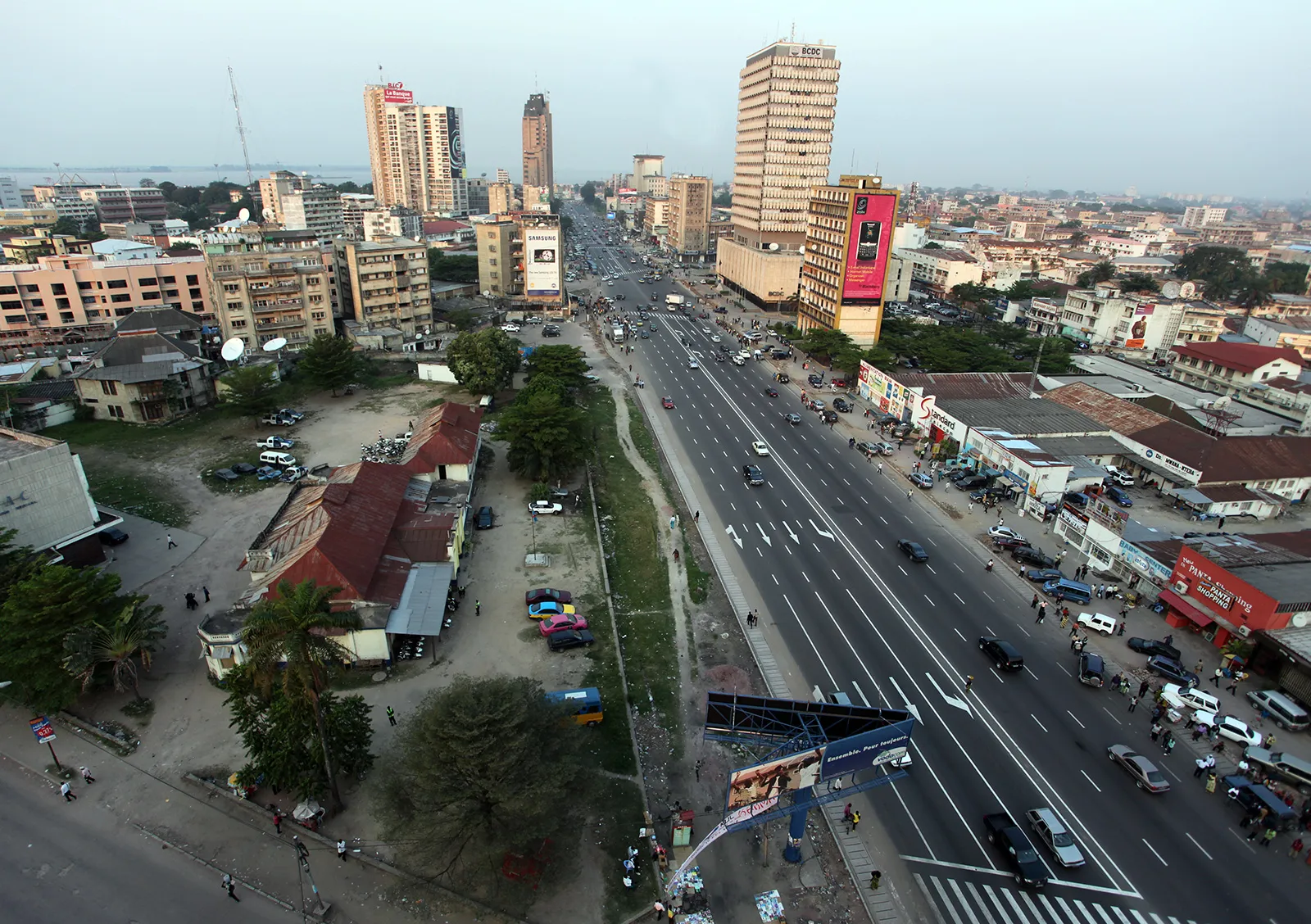
Kinshasa, the capital and largest city of the Democratic Republic of the Congo, is among the world’s fastest-growing megacities. Formerly known as Léopoldville until 1966, it has an estimated population of 17 million as of 2024, making it the most populous city in the country and the third-largest metropolitan area in Africa. It is also the fourth-most populous capital city globally.
Located along the southern bank of the Congo River, Kinshasa serves as the nation’s primary economic, political, and cultural hub.
The city supports a wide range of industries, including manufacturing, telecommunications, banking, and entertainment. It is also home to several key national institutions, such as the People’s Palace, the Palace of the Nation, the Constitutional Court, and the Martyrs Stadium.
Cairo, Egypt – 23,074,200
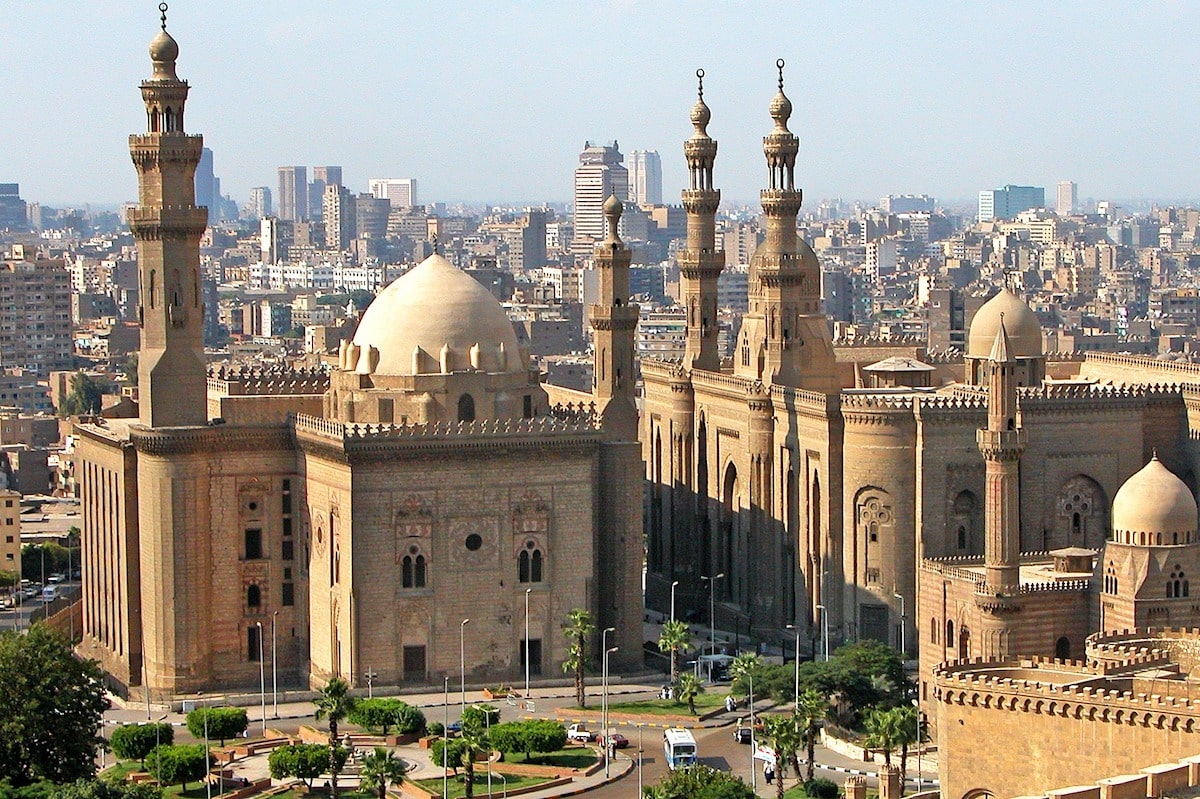
Cairo, the capital of Egypt, is one of the largest and most densely populated cities in Africa. Situated along the eastern bank of the Nile River, approximately 500 miles (800 kilometers) north of the Aswan High Dam, the city has stood on its current site for over a thousand years. It serves as a major gateway to the Nile Delta, where the river splits into the Rosetta and Damietta branches.
Metropolitan Cairo encompasses the Cairo governorate and extends into neighboring areas within the Al-Jīzah and Qalūbiyyah governorates.
The Cairo governorate alone covers 83 square miles (214 square kilometers). According to recent estimates, the city’s total urban population stands at 23 million, making it one of the most populous metropolitan areas in the world.
 Follow Us on Google Discover

This is not true, Kano Nigeria also has more than 10 million people and it is not in the list
This is not true, Kano Nigeria also has more than 10 million people and it is not on the list
Warning: Undefined variable $post_id in /var/www/nairametrics/wp-content/themes/nairametrics/comments.php on line 134
Warning: Undefined variable $post_id in /var/www/nairametrics/wp-content/themes/nairametrics/comments.php on line 134