
 Follow Us on Google Discover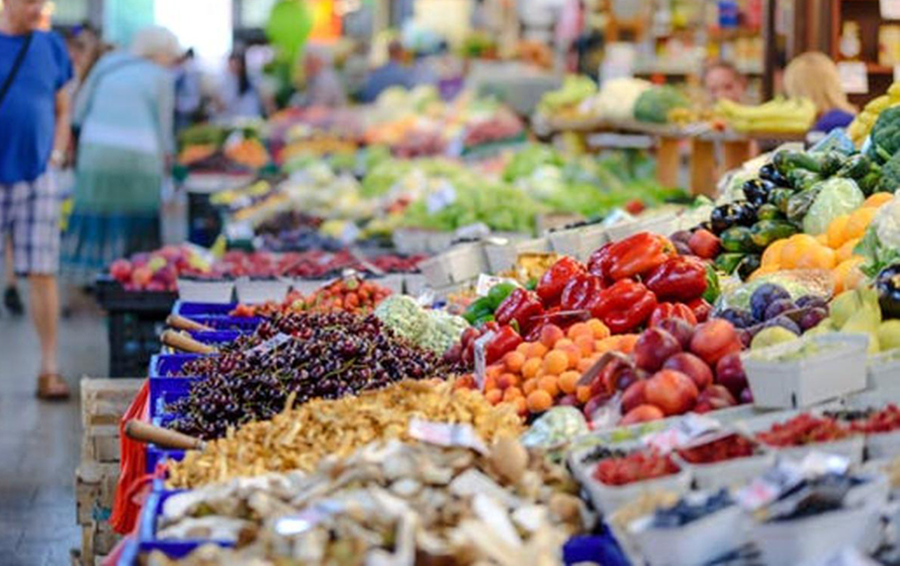
Nigeria’s food inflation has surged to alarming levels, reaching a year-on-year rate of 25.25% as of June 2023 a significant 4.65% points higher than the previous year’s 20.60%.
As the nation grapples with economic challenges, many Nigerians are feeling the impact of rising food prices, leading to budget constraints and decreased purchasing power.
Falling real wages, soaring energy costs, and the recent devaluation of the naira have further exacerbated the situation.
Factors Driving Escalating Food Inflation
A recent report by the National Bureau of Statistics (NBS) has identified various factors driving this escalating food inflation.
Other News
Notably, prices for oils and fats, bread and cereals, tubers such as fish, potatoes, and yams, fruits, meat, vegetables, milk, cheese, and eggs have all risen by at least 100% over the past decade, contributing to the current economic strain.
Dire Consequences and Hunger Projections
The consequences of this food inflation crisis are dire, with the Food and Agriculture Organization (FAO) predicting that about 25 million Nigerians will face hunger between June and August of this year unless urgent measures are taken.
Conflict, climate change, inflation, and soaring food prices are cited as the main drivers behind this alarming trend. Vulnerable populations in states like Borno, Adamawa, and Yobe are particularly at risk, and without immediate action, the number of food-insecure individuals could rise to 4.4 million during the off-season, adding to the humanitarian crisis.
Despite being ranked 103rd out of 121 countries in the 2022 Global Hunger Index (GHI), Nigeria still faces the looming threat of severe hunger, which could lead to stunting, child wasting, and infant mortality unless swift and decisive action is taken.
Mitigating the Impact
In light of this grave situation, Nigerians are seeking ways to mitigate the impact of food inflation on their budgets and food security. Here are some practical strategies to help navigate these challenging times:
- Price Comparison: Compare prices from different shops to find the lowest prices for the same products.
- Stockpiling: Purchase groceries in bulk when they are cheap and store them for later use, helping avoid price spikes during periods of inflation. Preserve food items through freezing, canning, or drying.
- Reduce Food Waste: Implement strategies to reduce food waste, including better meal planning and preserving perishable food items through drying or freezing.
- Home-Cooked Meals: Eating out can be expensive. Opt for preparing meals at home, which can save a substantial amount of money.
- Start an Edible Garden: Consider growing your own food, even in limited spaces, to offset rising food costs.
- Shop Smart: Take advantage of discounts, sales, and promotions in major supermarkets. Utilize coupons, loyalty programs, and cashback apps to save even more.
- Ditch Bottled Water: Opt for a water filter to save on the cost of bottled water and reduce plastic waste.
- Support Local Stores: Buying locally-produced food can often be more affordable due to reduced transportation costs.
- Reconsider Eating Habits: Consider substituting expensive food items like meats, eggs, and seafood with more affordable plant-based proteins like beans, lentils, and grains.
- Seasonal Eating: Opt for seasonal fruits and vegetables, which can be more cost-effective.
By adopting these strategies, Nigerians can take proactive steps to hedge against the harsh impacts of food inflation, safeguarding their financial stability and food security in these challenging times.
 Follow Us on Google Discover


Warning: Undefined variable $post_id in /var/www/nairametrics/wp-content/themes/nairametrics/comments.php on line 134
Warning: Undefined variable $post_id in /var/www/nairametrics/wp-content/themes/nairametrics/comments.php on line 134