
 Follow Us on Google Discover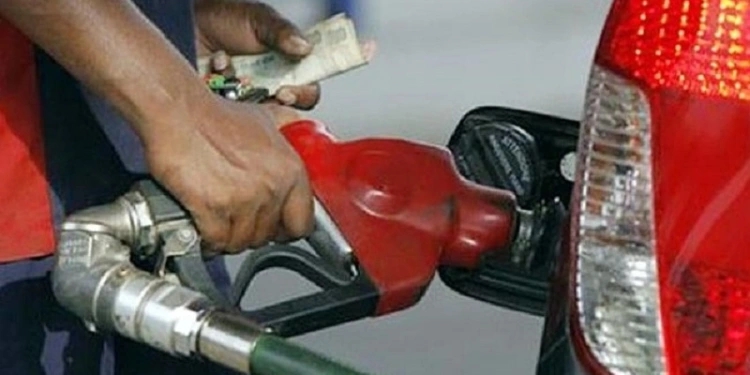
Article Summary
- The Nigerian government recently made the tough but inevitable decision to no longer pay fuel subsidies for its citizens.
- As a result, Nigerians must now focus on developing coping mechanisms amidst the rising costs of transportation and the struggles of the masses to cope with inflation and meager earnings
- This article highlights some behavioural changes Nigerians must adapt in order to survive.
The Nigerian government recently announced that it would remove the subsidy on petrol, which means that Nigerians will have to pay more for fuel.
As soon as the decision was made, fuel queues popped up across the country as most filling stations quickly saw an opportunity to profiteer off the situation.
As expected, the Nigerian National Petroleum Company (NNPC) Limited announced an upward review of its fuel prices across its filling stations across the country setting the stage for a nationwide increase in fuel prices across the country.
This decision has sparked outrage and criticism from many Nigerians who are already struggling with high inflation, unemployment, and poverty.
Other News
However, the government has defended its move, saying that it will save billions of naira that can be used for other developmental projects and social welfare programs.
While the debate on the merits and demerits of fuel subsidy removal continues, ordinary Nigerians must find ways to manage the impact of this policy on their daily lives. Here are some suggestions on how to cope with fuel subsidy removal in Nigeria:
Reduce your dependence on petrol-powered generators
Invest in alternative energy sources like solar panels, inverters, or batteries. These can provide electricity and reduce reliance on fuel-powered generators.
Use energy-efficient appliances and bulbs to minimize electricity consumption.
Adopt energy-saving habits, such as turning off lights, fans, and electronics when not in use.
Use public transportation or carpooling
Utilize public transportation options like buses, trams, or trains, which are generally more cost-effective than driving private vehicles.
Consider carpooling with colleagues, neighbours, or friends who travel similar routes. This helps share fuel costs and reduces traffic congestion.
Plan your trips and errands ahead of time
Make a list of places you need to visit and tasks you need to complete. Combining errands into a single trip minimizes fuel usage.
Utilize online shopping and delivery services for groceries, food, and other items to reduce the need for physical trips.
Adjust your budget and spending habits
Review your income and expenses, identifying areas where you can cut down or save money.
Prioritize essential expenses and reduce discretionary spending.
Consider taking up a side hustle or exploring additional sources of income to supplement your budget.
Embrace energy-saving practices
Minimize air conditioning usage and explore natural ventilation options.
Insulate your home to retain heat during cooler months and reduce the need for excessive heating.
Make conscious efforts to conserve water and electricity, reducing associated costs.
Explore fuel-efficient transportation alternatives
Consider switching to fuel-efficient vehicles or hybrid/electric cars.
Optimize driving habits by maintaining proper tire pressure, avoiding rapid acceleration or braking, and keeping vehicle maintenance up to date. This can improve fuel efficiency.
Engage in advocacy and dialogue
Participate in discussions with policymakers, community leaders, and relevant organizations to voice concerns and propose sustainable solutions.
Advocate for policies that promote renewable energy sources and support initiatives aimed at reducing reliance on fossil fuels.
Avoid long and unnecessary commutes
Optimize your travel routes to minimize distance and time spent on the road.
Consider remote work or flexible work arrangements, if possible, to reduce the frequency of commuting.
Explore options for carpooling or ride-sharing with colleagues or neighbours who live nearby, sharing fuel costs and reducing the number of vehicles on the road.
Use bicycles
For shorter distances, consider using bicycles as a mode of transportation. Cycling is not only cost-effective but also promotes physical fitness and reduces carbon emissions.
Invest in a sturdy bicycle, proper safety gear, and accessories like bike locks and lights to ensure a safe riding experience.
Familiarize yourself with bike lanes, paths, and safe routes in your area.
Walking will ‘save’ your life
Embrace walking as an alternative for short distances. It not only saves fuel but also offers health benefits.
Plan your errands in a way that allows you to walk to nearby stores, markets, or other destinations.
Consider joining or forming walking groups in your community to encourage walking as a social and healthy activity.
 Follow Us on Google Discover
I think Govt will remove this subsidy,but i do not why ?, are they trying to clean the economy,but i am not worried for myself,but for the masses,for a start any Good public transportation system does not exist in any form of (1)nterstate railway transport system(2)Internal railway system between towns in urban area and rural area (3)Buses between district and also into Buses from urban area into rural area.
People are talking about this subsidy for 3 yrs and govt have not made any concrete statement on whether,they will remove this subsidy or not.
I think BAT did persuaded Mr Buhari to increases federal deficit in the last national budget,this last budget was the biggest nigerian deficit in history.i think the people will protest if this subsidy is removed,because this deficit would have taken care of this removing this subsidy..
“No woman no cry the friends we have lost friends to untimely death,and our people in the trench ” so sang by the late jamaica Singer Bob marley.The song is about,the suffering of jamaican woman,who lives in the slumTrench means jamaican slum,the women in the slum suffers and do not complained now nigerian are immuned to suffering.
We don’t all live in Lagos or Abuja
Warning: Undefined variable $post_id in /var/www/nairametrics/wp-content/themes/nairametrics/comments.php on line 134
Warning: Undefined variable $post_id in /var/www/nairametrics/wp-content/themes/nairametrics/comments.php on line 134