
 Follow Us on Google Discover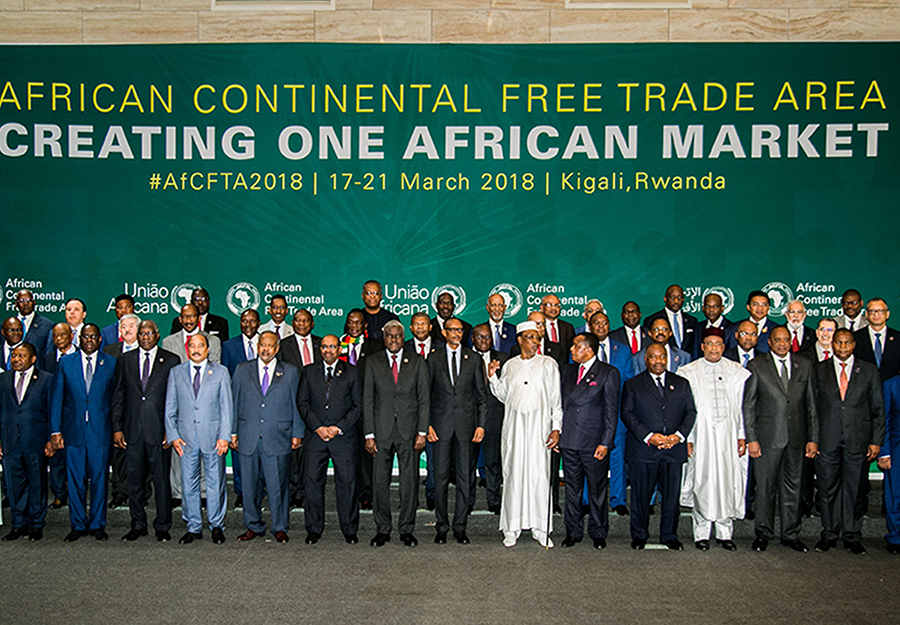
The African Continental Free Trade Area (AfCFTA) is capable of boosting Africa’s economy to $29 trillion by 2050 from the current size of $2.6trn if properly implemented and executed across the continent.
This was disclosed in “The FDC Afriscope Volume 2, Issue 6, December 23, 2020” published by the Financial Derivatives Company Limited.
READ: Buhari expresses displeasure with Francophone West Africa over adoption of Eco currency
READ ALSO: How AfCFTA affects every Nigerian Business
Other News
According to the report,
- “The agreement has a huge potential as it would create the world’s largest single market of about 1.2billion consumers and workers, thereby increasing opportunities for African manufacturers and businesses, especially those constrained by the size of their domestic markets.
- “Integrating Africa into one trade area provides significant opportunities for entrepreneurs, businesses and consumers across the continent. It could also rapidly support sustainable development in the world’s least developed region.”
READ: AfCFTA: Nigeria not ready for restrictive Rule of Origin
READ: The opportunities in Africa’s $100 billion infrastructure deficit
What you should know
- The African Continental Free Trade Area (AfCFTA) is expected to commence in January 2021.
- AfCFTA was established in 2018 with the sole aim of creating a single market for goods and services in Africa – removing hurdles and obstacles militating against free flow of goods and services in the continent.
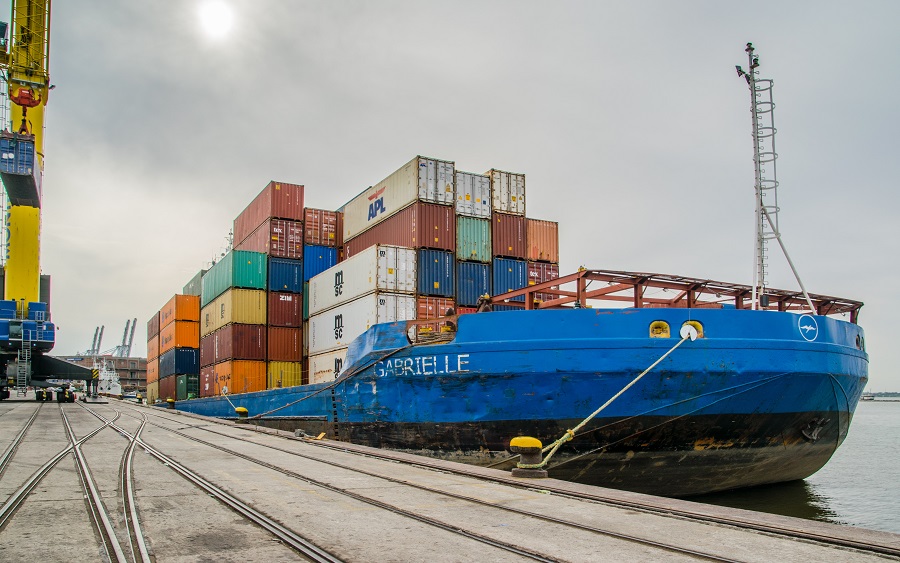
- It is expected that the Intra-African trade would increase by over 50% as it currently accounts for less than 20% of exports in Africa, compared with about 60% in Asia and 70% in Europe.
- AfCFTA would create the impetus for developing better policy frameworks, fostering specialization and boosting industrialization across Africa while creating an enlarged regional market that could lead to an increase in FDI inflows for several countries as well as strengthening the regional and inter-state cooperation.
- There would be an increased employment and investment opportunities, as well as technological development and exchanges of ideas, with increased real wages for both skilled and unskilled workers, especially the manufacturing and agricultural sectors
READ: AfCFTA: African Customs Officials to draft free trade continental guidelines
 Follow Us on Google Discover

Warning: Undefined variable $post_id in /var/www/nairametrics/wp-content/themes/nairametrics/comments.php on line 134
Warning: Undefined variable $post_id in /var/www/nairametrics/wp-content/themes/nairametrics/comments.php on line 134