
 Follow Us on Google Discover
Deprecated: mb_convert_encoding(): Handling HTML entities via mbstring is deprecated; use htmlspecialchars, htmlentities, or mb_encode_numericentity/mb_decode_numericentity instead in /var/www/nairametrics/wp-content/themes/nairametrics/functions.php on line 104
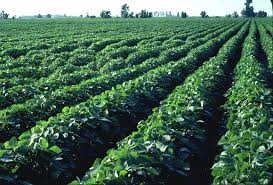
As the global community battles with the impacts of climate change, the World Bank has warned that higher temperature and more erratic rainfall could contribute to a long-term 20-30 percent reduction in crop yields in Nigeria.
The warning was contained in one of the reports released last week by the global financial institution.
“Declining domestic yields could lead to a 40 percent increase in rice imports in a country where much of the fast-growing population depends on rice as a staple of its diet,” the report stated.
Other News
According to the World Bank, “Various climate models indicate that average temperatures across Nigeria are expected to rise an average of 1–2°C by 2050 and even more during the winter,” says Raffaello Cervigni, Lead Environmental Economist at the World Bank and author of the report declared, “In this way, climate change is likely to make food, energy, and water security harder for Nigeria to achieve.”
“According to Cervigni, these likely impacts will be felt the most by the country’s poorer segments of the population, which have less means to adapt and diversify the sources of their livelihoods,” the report stated.
However, the report, launched on June 10 in Abuja, proposed specific policies, technologies, and other solutions to help Nigeria develop its economy while remaining climate resilient.
 Follow Us on Google Discover


Warning: Undefined variable $post_id in /var/www/nairametrics/wp-content/themes/nairametrics/comments.php on line 134
Warning: Undefined variable $post_id in /var/www/nairametrics/wp-content/themes/nairametrics/comments.php on line 134